
by Dr. Jacqueline S. Allen | Dec 15, 2014 | Blog, Endodontics, Root Canal
 Patients of many ages and types come to Phoenix Endodontic Group with tooth trouble and may need a root canal. In the interest of prevention, you may wish to know a little more about common demographics and triggers that lead to the need for this treatment.
Dr. Jacqueline S. Allen offers the following about age groups and root canals: A root canal can happen at any age. It is primarily dictated by decay and the amount of dental work on one tooth. Whether young or old, if tooth decay gets close to the pulp complex, irreversible pulpitis can occur. Softer diets including more refined carbs/sugars can increase caries. This is seen in all age groups.
The most common patient demographic for a root canal is over forty, usually due to large amount of dental work done to one tooth, Dr. Allen says. She gives the example of vehicle tires that eventually require replacement after accumulating many miles. Crowns and fillings wear with chewing, personal habits or go bad due to recurrent decay. The more work, the more irritation to the pulp complex. The more irritation and the older we are, the more likely inflammation of the pulp complex is irreversible, states Dr. Allen.
In addition to diet and age, Dr. Allen says Genetics can play a role if there is no enamel development of teeth, or immune system problems. Dry mouth (Sjogrens) can create an increase of dental caries, and increase the likelihood of needing root canal therapy.
How can you prevent needing a root canal? Your best chance is by taking proper care of your teeth. Eat a sensible diet that is low in sugar. Avoid chewing on hard objects that can crack teeth and allow infection to invade. Brush, floss, and see your dentist regularly. Your twice-yearly dental visit can identify problems early on, potentially giving you more treatment options.
You may not avoid the need for a root canal, but Dr. Allen at Phoenix Endodontic Group will take expert care of you should that need arise!

by Dr. Jacqueline S. Allen | Dec 8, 2014 | Blog, Endodontics
 The holidays may not be the most wonderful time of the year if you’ve cracked a tooth! Phoenix Endodontic Group sees a spike in cracked teeth during the holiday season due to a few common food culprits. Dr. Susan Wood has some advice to offer before you bite off more than you can safely chew at this year’s festivities.
One of the most common causes of fractured teeth is chewing on hard objects or foods. You may see (and hear) people chomping away at the ice in their drink during holiday parties and you’ll be witnessing tooth damage in action. Chewing ice may relieve stress or boredom, but it is unnecessarily stressful for teeth and often results in a visit to the dentist or Endodontist.
Hard candy would be another reason for dental mishaps around the holidays, says Dr. Wood. The proliferation of sweet treats offered up in bowls on every table may be greatly appealing, but if you have issues with enamel strength or a history of weak or cracked teeth, you may wish to avoid these temptations in favor of vegetables or low-fat cheeses. Harder nuts such as almonds (especially Jordan almonds surrounded by a very hard candy shell) are another food that will do a number on vulnerable teeth.
The greatest dangers in food may not be those you consciously eat! When asked about the most unusual thing she’s heard of to cause a patient’s cracked tooth, Dr. Wood declared it to be “A pebble in a salad!”
The holidays present other dangers resulting in cracked teeth. Dr. Wood says, Many tooth fractures are due to stress-related grinding (or bruxing) of the teeth and around the holidays, that can sometimes be more apparent. If you know you are a grinder, in times of high stress it may be beneficial to wear a special mouth guard to prevent damage. Your dentist or Endodontist can usually tell if you grind in your sleep and can help you acquire a guard.
The holiday season can be a menace to your teeth. Be aware of hazardous foods and call Phoenix Endodontic Group for any dental emergencies.

by Dr. Jacqueline S. Allen | Dec 1, 2014 | Blog, Dentistry, Endodontics, Mission of Mercy
 The Central Arizona Dental Society Foundation (CADSF) is hosting its 3rd annual Dental Mission of Mercy event at the Veteran’s Memorial Coliseum at the Arizona State Fairgrounds Dec 12th-13th, bringing together hundreds of dental professionals who will provide free care to adults and children.
The Coliseum floor will be transformed into a clinic with more than 100 portable dental units staffed by nearly 1,500 volunteer dentists, hygienists, lab technicians, assistants and lay people. Approximately $1.5 million in free care is expected to be delivered to over 2,000 patients on a first-come, first served basis during the two day period. Patients are advised to arrive early. Doors to the clinic will open at 6:00 am. Treatment will be performed both days from 6:00 am – 6:00 pm.
As in past years, the emphasis will be on relieving pain and infection. Dental services such as fillings, extractions, cleanings, as well as limited lab work will be provided to both adults and children of all ages. All patients will undergo a limited medical screening and those who have medically compromised conditions, such as extremely high blood pressure, uncontrolled diabetes or severe disabilities may not be able to be treated in this setting, and will be referred to other community resources.
Arizona residents suffer from higher rates of dental disease than many other states, and this is one way we can give back to the community while providing critical dental care to those who need it most, said Dr. Pat Rabot, a Phoenix Oral Surgeon and CADS Foundation Board President. We also hope to raise awareness about the increasing difficulties that low-income adults and children face in accessing necessary dental care. Arizona discontinued adult dental AHCCCS benefits in 2010 during the budget cuts of the great recession. The demand for care during this event proves how much the most vulnerable members of our community need this program to be restored.
A recent survey found that 21 percent of Arizona adults and 31 percent of all Arizona children have never had a dental check-up.
About CADS AZ Mission of Mercy: Originating in Virginia and spreading throughout the United States, more than 70 Mission of Mercy dental programs have been conducted since 2000 to provide free dental care to local residents who otherwise were unable to receive it. For more information on CADS AZ Mission of Mercy click here.

by Dr. Jacqueline S. Allen | Sep 22, 2014 | Blog, Endodontics, Root Canal
 Root canal pain is a type of pain in its own special category of misery. This agony sends many patients to Dr. Jacqueline S. Allen of Phoenix Endodontic Group for help. Here’s what you should know about this problem and how Dr. Allen can solve it!
Even patients in excellent dental health could experience a root canal problem. Imagine biting down on a piece of ice and accidentally cracking your tooth. The nerve in the tooth becomes inflamed and unhappy, letting you know about the problem with intense pain. This situation is made worse if infection sets in by way of the crack, which may be unnoticeable. Expect Throbbing, aching, dull, or intense pain, according to Dr. Allen.
Another contributor to root canal pain is decay, which again may not be obvious to the patient. As a tooth decays, bacteria grows and eventually will cause the tooth’s inner pulp to be infected. Swelling may occur throughout the mouth and jaw and could even include your face and neck. Forget about sleeping through the night or wishing to chew anything firmer than a banana once the issue has progressed this far.
Root canal pain can result from a variety of reasons but in general it is from an inflamed nerve inside of the tooth or a dental pulp abscess (which is a dead nerve). One is inflammation and the other is infection, says Dr. Allen.
The good news is that Dr. Allen can make this pain a very temporary situation through advanced technology and modern root canal treatment. The inner part of the tooth must be thoroughly cleaned and all infected tissue removed. The tooth will then be filled with a durable material called gutta percha. Sealing the tooth follows, and the process is completed with the installation of a crown. Before you know it, you are pain-free and your smile is dazzling!
The best prevention for dental issues is a routine exam. Should a problem be discovered or you experience the type of sudden injury described above, Dr. Allen and Phoenix Endodontic Group are well equipped to get you back to smiling!

by Dr. Jacqueline S. Allen | Sep 15, 2014 | Blog, Dentistry, Endodontics
 Autumn in Arizona is a fantastic time of year for a sports-enthusiast, and a very busy time for Dr. Jacqueline S. Allen, your Phoenix Endodontist. As the weather cools down enough for outdoor activities, people forget to protect their teeth during play and suffer the consequences. Sports related dental injuries are easily avoidable. Here’s what you should know before this season.
The most common sports-related tooth injury seen in Dr. Allen’s office is gruesome. A blow to the front teeth by a body part like an elbow or knee, or from an object like a baseball or bat will often knock teeth loose, break or chip them, dislodge them completely. Dr. Allen also mentions that falling on your face is probably second, like skate boarding and eating concrete or a rail. Not only are these injuries incredibly painful but they can do permanent damage if not treated correctly.
To prevent most sports related dental injuries, Dr. Allen reminds you to wear a mouth guard. Mouth guards are effective in preventing injury, she says, and they are found in just about any discount store or sporting goods retailer. For a very inexpensive investment you can protect your teeth from serious damage.
If you suffer dental harm during a sporting activity your first action should be to get to Dr. Allen’s Phoenix Endodontist practice. Recover dislodged tooth or teeth if possible, picking them up by the chewing surface (never the root) and very gently rinsing it off with plain water. Do not use any chemicals or soaps or wrap it. If you can, gently place the rinsed tooth back in the tooth socket and keep it in place with your fingers or by softly clamping your teeth together. If you’re unable to do this, store the tooth in milk and seek emergency help right away. Your best chance of saving the tooth is with the help of a qualified Phoenix Endodontist such as Dr. Allen.
Fall sports injuries are very preventable, but should you experience one you must handle it quickly to save your smile. Dr. Allen and Phoenix Endodontic Group are here to help!
by Dr. Jacqueline S. Allen | Aug 4, 2014 | Blog, Endodontics, Endodontist, Root Canal
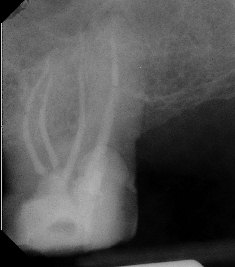
Avoidance is a problem that often leads patients to postpone visiting their Phoenix Endodontist. Many have waited too long for their root canal, and are now in major pain. Dr. Jacqueline S. Allen of Phoenix Endodontic Group explains why you should never wait to have a root canal done.
When your dentist has told you that you need a root canal, you may have many emotions and may not take action immediately. Dr. Allen observes a few common reasons people put off their root canal: The three biggest fears of dental treatment are #1- Time (this will take too long), #2 – Pain (I hate going to the dentist, it always makes me hurt), and #3 – Money (patients don’t want to spend their hard earned money on an emergency dental procedure). While all of these reactions are reasonable, delaying the procedure will make things worse.
Your Phoenix Endodontist frequently has a bigger job ahead if you’ve waited to have a root canal. More extensive work may be required, or you may lose the chance to save the tooth altogether. The biggest risk is that a patient can develop an infection that becomes difficult to control. Additionally, waiting too long puts the patient at risk for having to have the tooth extracted. Waiting too long could cause the tooth to be condemned. A tooth with a damaged nerve or deep infection will not get better on its own.
Having a root canal done immediately after being told you need one provides several advantages. When the problem is caught early, it may be resolved more quickly and successfully. You’ll suffer less pain since you’ve dealt with it quickly. You are less likely to need the tooth pulled, which would result in the added expense of bone grafts and tooth implants down the road. You’ll prevent other medical issues that can occur as a result of the infection present in the tooth.
If you are told that you need a root canal, act quickly. Call Dr. Allen, your Phoenix Endodontist, to bring your smile back to life!