by Dr. Jacqueline S. Allen | Feb 16, 2015 | Blog, Endodontics, Endodontist, General Information
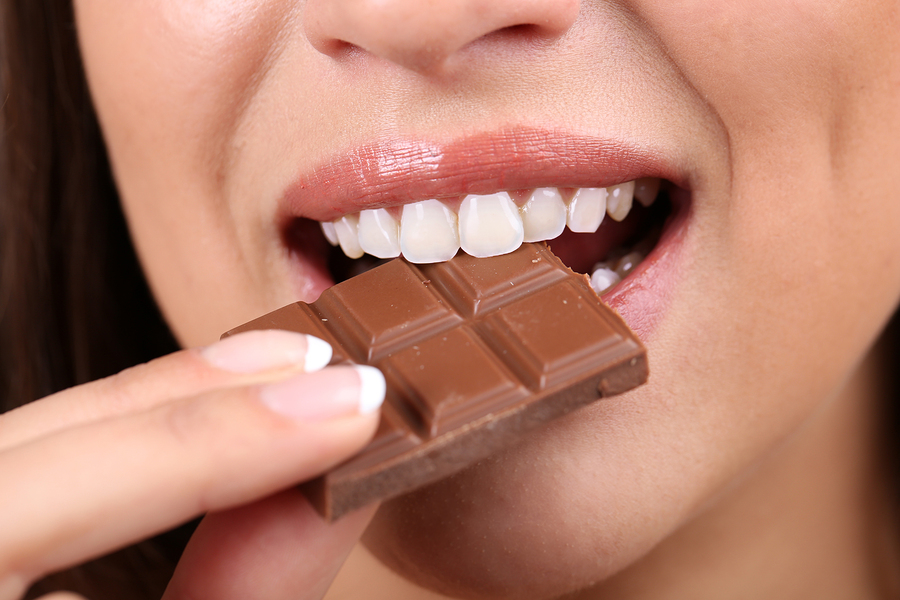
 A day in the life of your Phoenix Endodontic Group brings many different types of cases into the office. One common visitor who comes in for Dr. Allen’s expertise is the candy connoisseur. You may know what too many sweets can do to your waistline, but do you know what effect it may have on your teeth?
Sugar is a highly toxic substance to your tooth enamel and is present in many types of food and drinks. Soda, fruit juices, cookies and candy are all prime culprits that cause tooth decay, especially if allowed to linger in your mouth. Ingestion of sugar promotes the plaque that eats away at your teeth. A particularly bad type of sweet is sticky candy. Soft sticky candies often get caught between the teeth and if you aren’t a good flosser, can cause cavities in that area, says Dr. Allen.
Another dental problem could be caused by eating hard candy. Extremely hard candies that are “chewed” can also cause damage (cracks) to the tooth, explains Dr. Allen. This type of damage allows bacteria to invade the tooth and infect the inner pulp and root system. Eventually a problem of this nature may require your endodontist to perform a root canal. If you are going to consume hard candies, avoid biting or chewing them, especially with your more vulnerable front teeth.
As well-intentioned as patients are in their desires to follow a healthy diet and practice good dental habits, no one is perfect in either arena. If you are going to enjoy a sugary snack, then always attempt to brush afterward. If that is not possible, then rinsing your mouth out with water can help, but minimally, states Dr. Allen. Be as diligent as possible in flossing after sticky treats.
Sugar is acceptable in moderation, especially if you practice good dental habits when you eat sweets. However, it is far more common that it will cause problems with your teeth. If you are a lover of these kinds of treats, talk to Dr. Allen, your Phoenix endodontist, for advice on how to prevent dental damage.
by Dr. Jacqueline S. Allen | Dec 22, 2014 | Blog, Dentistry, Endodontics
 In the field of Endodontics, retreating root canals and other failed dental work can be a routine part of daily practice. There are a few frequently observed conditions that often require repeat work. Dr. Susan Wood of Phoenix Endodontic Group mentions some of these situations.
For some patients in Endodontics, they’ve undergone a root canal and failed to follow through with the entire treatment process. After your treatment has been completed at your Endodontist’s office, it is important to follow up with your general dentist for a permanent restoration or crown to prevent leakage. RCT that is done properly the first time by an Endodontist has over 95% success rate, providing that the tooth has been restored adequately in a timely manner, says Dr. Wood.
Another type of treatments that may eventually degrade are the seals on teeth that have been filled or received root canal therapy. Endodontics patients must be dedicated to their twice-yearly dental checkup for best results with seals. Dr. Wood describes the problem: Just like your automobile’s tires that wear after excessive use, seals on fillings can break down after months of chewing. It is important to see your general dentist regularly, to catch the breakdown in marginal sealing prior to them allowing leakage into the root canal space.
Last but not least in the list of retreatment cases are root canals that have failed due to ineffective treatment. This could be caused by failure to remove all of the infected tissue within the tooth, a compromised canal that was missed, or a filling that was not sealed properly. Should the tooth become problematic again, an Endodontics professional may repeat the root canal or extract the tooth.
For best results regarding your dental health and endodontics needs, see your dentist twice a year to identify problems early on. When a more complex issue arises, call Phoenix Endodontics Group for the best possible outcome!

by Dr. Jacqueline S. Allen | Dec 15, 2014 | Blog, Endodontics, Root Canal
 Patients of many ages and types come to Phoenix Endodontic Group with tooth trouble and may need a root canal. In the interest of prevention, you may wish to know a little more about common demographics and triggers that lead to the need for this treatment.
Dr. Jacqueline S. Allen offers the following about age groups and root canals: A root canal can happen at any age. It is primarily dictated by decay and the amount of dental work on one tooth. Whether young or old, if tooth decay gets close to the pulp complex, irreversible pulpitis can occur. Softer diets including more refined carbs/sugars can increase caries. This is seen in all age groups.
The most common patient demographic for a root canal is over forty, usually due to large amount of dental work done to one tooth, Dr. Allen says. She gives the example of vehicle tires that eventually require replacement after accumulating many miles. Crowns and fillings wear with chewing, personal habits or go bad due to recurrent decay. The more work, the more irritation to the pulp complex. The more irritation and the older we are, the more likely inflammation of the pulp complex is irreversible, states Dr. Allen.
In addition to diet and age, Dr. Allen says Genetics can play a role if there is no enamel development of teeth, or immune system problems. Dry mouth (Sjogrens) can create an increase of dental caries, and increase the likelihood of needing root canal therapy.
How can you prevent needing a root canal? Your best chance is by taking proper care of your teeth. Eat a sensible diet that is low in sugar. Avoid chewing on hard objects that can crack teeth and allow infection to invade. Brush, floss, and see your dentist regularly. Your twice-yearly dental visit can identify problems early on, potentially giving you more treatment options.
You may not avoid the need for a root canal, but Dr. Allen at Phoenix Endodontic Group will take expert care of you should that need arise!

by Dr. Jacqueline S. Allen | Dec 8, 2014 | Blog, Endodontics
 The holidays may not be the most wonderful time of the year if you’ve cracked a tooth! Phoenix Endodontic Group sees a spike in cracked teeth during the holiday season due to a few common food culprits. Dr. Susan Wood has some advice to offer before you bite off more than you can safely chew at this year’s festivities.
One of the most common causes of fractured teeth is chewing on hard objects or foods. You may see (and hear) people chomping away at the ice in their drink during holiday parties and you’ll be witnessing tooth damage in action. Chewing ice may relieve stress or boredom, but it is unnecessarily stressful for teeth and often results in a visit to the dentist or Endodontist.
Hard candy would be another reason for dental mishaps around the holidays, says Dr. Wood. The proliferation of sweet treats offered up in bowls on every table may be greatly appealing, but if you have issues with enamel strength or a history of weak or cracked teeth, you may wish to avoid these temptations in favor of vegetables or low-fat cheeses. Harder nuts such as almonds (especially Jordan almonds surrounded by a very hard candy shell) are another food that will do a number on vulnerable teeth.
The greatest dangers in food may not be those you consciously eat! When asked about the most unusual thing she’s heard of to cause a patient’s cracked tooth, Dr. Wood declared it to be “A pebble in a salad!”
The holidays present other dangers resulting in cracked teeth. Dr. Wood says, Many tooth fractures are due to stress-related grinding (or bruxing) of the teeth and around the holidays, that can sometimes be more apparent. If you know you are a grinder, in times of high stress it may be beneficial to wear a special mouth guard to prevent damage. Your dentist or Endodontist can usually tell if you grind in your sleep and can help you acquire a guard.
The holiday season can be a menace to your teeth. Be aware of hazardous foods and call Phoenix Endodontic Group for any dental emergencies.

by Dr. Jacqueline S. Allen | Dec 1, 2014 | Blog, Dentistry, Endodontics, Mission of Mercy
 The Central Arizona Dental Society Foundation (CADSF) is hosting its 3rd annual Dental Mission of Mercy event at the Veteran’s Memorial Coliseum at the Arizona State Fairgrounds Dec 12th-13th, bringing together hundreds of dental professionals who will provide free care to adults and children.
The Coliseum floor will be transformed into a clinic with more than 100 portable dental units staffed by nearly 1,500 volunteer dentists, hygienists, lab technicians, assistants and lay people. Approximately $1.5 million in free care is expected to be delivered to over 2,000 patients on a first-come, first served basis during the two day period. Patients are advised to arrive early. Doors to the clinic will open at 6:00 am. Treatment will be performed both days from 6:00 am – 6:00 pm.
As in past years, the emphasis will be on relieving pain and infection. Dental services such as fillings, extractions, cleanings, as well as limited lab work will be provided to both adults and children of all ages. All patients will undergo a limited medical screening and those who have medically compromised conditions, such as extremely high blood pressure, uncontrolled diabetes or severe disabilities may not be able to be treated in this setting, and will be referred to other community resources.
Arizona residents suffer from higher rates of dental disease than many other states, and this is one way we can give back to the community while providing critical dental care to those who need it most, said Dr. Pat Rabot, a Phoenix Oral Surgeon and CADS Foundation Board President. We also hope to raise awareness about the increasing difficulties that low-income adults and children face in accessing necessary dental care. Arizona discontinued adult dental AHCCCS benefits in 2010 during the budget cuts of the great recession. The demand for care during this event proves how much the most vulnerable members of our community need this program to be restored.
A recent survey found that 21 percent of Arizona adults and 31 percent of all Arizona children have never had a dental check-up.
About CADS AZ Mission of Mercy: Originating in Virginia and spreading throughout the United States, more than 70 Mission of Mercy dental programs have been conducted since 2000 to provide free dental care to local residents who otherwise were unable to receive it. For more information on CADS AZ Mission of Mercy click here.
