
by Laura Jablonski | Sep 11, 2026 | Blog, Endodontics, Endodontist

Being referred to an endodontist can feel a little unfamiliar — especially if you’ve never seen one before. Unlike a general dentist, an endodontist is a specialist who focuses exclusively on the inner structures of the tooth: the pulp, the nerves, and the root canal system. It’s a narrow field, which means the training, technology, and approach can vary meaningfully from one practice to another.
Choosing the right endodontist isn’t just about convenience or proximity. It’s about finding a provider you can trust to save your tooth, manage your comfort, and give you a clear picture of what’s happening and why. The right questions — asked before your first appointment — can make all the difference.
Here’s what to ask, and what to listen for in the answers.
What Are Your Credentials and Specialized Training?
Endodontists complete two to three additional years of advanced training beyond dental school, focused exclusively on root canal procedures, endodontic surgery, dental trauma, and pain management. They are required to pass specialty board exams and maintain continuing education to stay current in the field.
When evaluating a provider, it’s worth asking:
- What professional organizations do you belong to, and how do you stay current in the field of endodontics?
- How many years have you been practicing endodontics?
- How many root canal procedures do you perform each year?
Volume matters in procedural specialties. An endodontist who performs hundreds of root canals annually has a depth of experience that a general dentist who performs them occasionally simply cannot match.
At Phoenix Endodontic Group, Dr. Jacqueline Allen and Dr. James Wolcott have collectively performed thousands of root canal procedures over more than 25 years of combined practice. You can learn more about their backgrounds on our Providers page.
What Technology Do You Use?
The tools an endodontist uses directly affect the accuracy of their diagnosis and the thoroughness of their treatment. Technology has advanced significantly in recent years, and not all practices have kept pace.
Ask about:
- Digital X-rays vs. 3D cone beam CT (CBCT) imaging. Standard X-rays provide a flat, two-dimensional image. 3D cone beam imaging allows the endodontist to see the full three-dimensional anatomy of the root system — identifying hidden canals, fractures, and bone changes that a flat X-ray would miss.
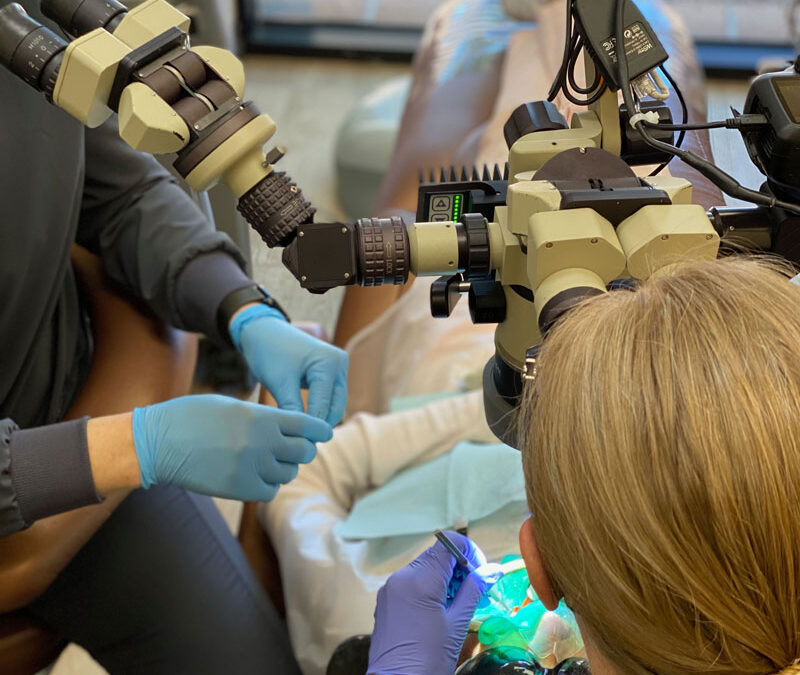
- Surgical microscopes. These are essential for endodontic microsurgery and retreatment. A microscope allows the endodontist to work with a level of precision that is simply not achievable with the naked eye or loupes alone.
- Advanced cleaning systems. Ask whether the practice offers the GentleWave Procedure or similar technology. These systems clean the root canal system more thoroughly than traditional hand files, reaching microscopic spaces and reducing the risk of reinfection.
At Phoenix Endodontic Group, we use 3D cone beam CT imaging, surgical microscopes, and the GentleWave Procedure to ensure every patient receives the most precise and thorough treatment available. Learn more on our GentleWave page.
What Procedures Do You Offer?
Not all endodontic practices offer the full spectrum of endodontic care. Some focus primarily on standard root canal therapy. Others are equipped to handle complex cases, surgical procedures, and retreatments.
It’s worth confirming that the practice you choose can address your needs now — and down the road if complications arise. Ask about:
- Root canal therapy — including single-visit treatment when appropriate
- Root canal retreatment — for teeth that have been previously treated but are still symptomatic
- Apicoectomy (root-end surgery) — for cases where conventional treatment has not fully resolved infection at the root tip
- Dental trauma treatment — for cracked, fractured, or knocked-out teeth
- IV sedation — for patients with significant dental anxiety or complex cases requiring additional comfort measures
Phoenix Endodontic Group offers the full range of endodontic services, including root canal therapy, retreatment, apicoectomy, and IV sedation. Visit our Services page for a complete overview.
How Do You Manage Patient Comfort and Anxiety?
Dental anxiety is common, and root canal procedures have an outsized — and largely undeserved — reputation for being painful. A good endodontist will have clear, thoughtful answers to questions about how they manage pain and anxiety throughout the process.
Ask specifically:
- What type of anesthesia do you use?
- Do you offer sedation options for anxious patients?
- What can I expect to feel during the procedure, and what is normal afterward?
The answers — and the tone in which they’re delivered — will tell you a great deal about how the practice treats patients. A provider who takes your comfort seriously will have clear, reassuring answers, not dismissive ones.
Phoenix Endodontic Group offers IV sedation for patients through licensed dental anesthesiologists, and our team is trained to ensure each patient is fully comfortable before any procedure begins. Learn more about our IV Sedation options.
Can You Explain My Diagnosis Clearly?
Before agreeing to any procedure, you should fully understand what’s happening with your tooth, why treatment is recommended, and what your options are. A trustworthy endodontist will take the time to walk you through your X-rays or 3D imaging, explain the findings in plain language, and answer your questions without rushing.
Red flags to watch for:
- Feeling pressured to decide immediately without time to ask questions
- Vague or overly technical explanations with no effort to make them accessible
- Reluctance to discuss alternatives or the option of seeking a second opinion
A provider who is confident in their diagnosis and treatment plan will have no problem explaining it clearly, and will welcome questions rather than avoid them.
What Is Your Availability for Emergencies?
Tooth infections and dental pain don’t follow a schedule. If you develop significant pain, swelling, or other acute symptoms, you want to know that your endodontist can see you quickly — not put you on a waiting list.
Ask whether the practice offers:
- Same-day or next-day emergency appointments
- After-hours contact options for urgent situations
- Clear guidance on what to do if symptoms escalate before your appointment
Phoenix Endodontic Group offers same-day emergency appointments for patients experiencing acute dental pain or swelling. If something doesn’t feel right, we want to hear from you promptly — not days later.
Is the Practice a Good Fit for You?
Beyond credentials and technology, consider practical factors: Is the location convenient? Is the office easy to reach and navigate? Is the front desk responsive and helpful when you call? Do you feel heard and respected from your first interaction?
These details matter more than they might seem. A procedure that is already anxiety-inducing becomes easier when the environment — and the people in it — put you at ease.
Why Patients Choose Phoenix Endodontic Group
Phoenix Endodontic Group has been serving the Phoenix Valley for over 25 years, with more than 75,000 patients treated by Dr. Allen and Dr. Wolcott. Our practice is built on a simple belief: every patient deserves to understand their diagnosis, feel comfortable during treatment, and leave with their natural tooth intact whenever possible.
We offer the full range of endodontic services, advanced technology including the GentleWave Procedure and 3D cone beam CT imaging, IV sedation for anxious patients, and same-day emergency appointments. We welcome patients who have been referred by their general dentist, as well as those seeking a second opinion.
Explore everything our practice offers at phoenixendodontist.com, or learn more about our providers and their approach before your first visit.
Ready to Schedule Your Appointment?
If you have questions before booking or would like to speak with our team, we’re happy to help. Call us at (602) 242-4745 or contact us online to schedule your consultation. Same-day emergency appointments are available.

by Dr. Jacqueline S. Allen | Aug 6, 2025 | Blog, Endodontics, Endodontist, Phoenix Endodontic Group, Root Canal
When Is a Cracked Tooth More Than Just Cosmetic?
Fixing a cracked tooth is similar to inspecting a car after a fender bender—what looks like a minor issue can hide deeper structural damage. Without a professional evaluation, a surface-level chip or crack may go unnoticed until it worsens.
Unlike bone, teeth can’t regenerate. So, even a small crack in the enamel or dentin may expand with chewing, grinding, or exposure to hot and cold foods. Left untreated, these cracks can progress to the soft inner pulp, where the tooth’s nerves and blood vessels are located. This can cause pain, sensitivity, and infection.
Why You May Need a Root Canal Before a Crown
When treating a cracked tooth, your best resource is an endodontist. These dental specialists are highly trained in diagnosing and treating issues within the tooth, especially damage that affects the root or pulp. They are often the first to determine whether a root canal is necessary before a crown can be safely placed.
A dental crown serves to protect and restore the tooth’s structure. But placing a crown without addressing underlying pulp damage can lead to serious complications. If the crack has exposed or infected the nerve tissue inside the tooth, a root canal is needed to remove that tissue, disinfect the area, and prevent future infection before the crown is applied.
Sometimes, large visible cracks may not require a root canal, while in other cases, small, nearly invisible cracks can have already caused nerve damage. Symptoms like pain when biting, sensitivity to temperature, or swelling may indicate pulp involvement—but some patients experience no symptoms at all.
What Happens If the Crack Is Too Deep?
If the crack extends beneath the gum line or into the root, a root canal may not be enough. In such cases, the tooth may be too compromised to save, and extraction could be the only option. Early diagnosis is key to preserving your natural tooth.
At Phoenix Endodontic Group, our team uses advanced imaging and diagnostic techniques to evaluate cracked teeth. We’ll determine whether a root canal is necessary before placing a crown and help you avoid unnecessary tooth loss.
Need a cracked tooth evaluated? Schedule a consultation with Phoenix Endodontic Group today to protect your smile and maintain your oral health.

by Dr. Jacqueline S. Allen | Jul 7, 2025 | Blog, Endodontist, GentalWave, Root Canal
Most people are familiar with general dentists, but when a dental issue goes deeper—literally—your dentist might refer you to a specialist called an endodontist. But what exactly does an endodontist do? If you’re experiencing tooth pain, sensitivity, or have been told you need a root canal, understanding the role of an endodontist can help you feel more informed and confident in your care.
What Is an Endodontist?
An endodontist is a dental specialist who focuses on diagnosing and treating problems related to the dental pulp and the tissues surrounding the roots of a tooth.  After completing dental school, endodontists undergo two or more additional years of advanced training specifically in root canal therapy, complex tooth anatomy, and pain management. While all endodontists are dentists, not all dentists are endodontists. General dentists handle routine care like cleanings, fillings, and crowns, while endodontists are experts in saving natural teeth through specialized procedures.
What Procedures Do Endodontists Perform?
The most common procedure endodontists perform is root canal therapy. However, their expertise extends beyond that. Here’s a breakdown of services typically offered:
- Root Canal Therapy
This treatment is done to remove infected or inflamed pulp tissue inside a tooth. An endodontist carefully cleans and disinfects the inner canals of the tooth, then fills and seals them to prevent further infection.
- Root Canal Retreatment
If a tooth that has already had a root canal becomes painful or infected again, endodontists can retreat the tooth to give it a second chance.
- Apicoectomy (Root-End Surgery)
Sometimes, inflammation or infection persists even after a root canal. In these cases, endodontists may perform an apicoectomy, which involves removing the tip of the root and sealing it to stop the issue at its source.
- Traumatic Dental Injury Treatment
Endodontists also treat teeth that have been cracked, chipped, or knocked out due to accidents or sports injuries. Their training enables them to preserve teeth that may otherwise be lost.
- GentleWave® Procedure
At Phoenix Endodontic Group, we’re proud to offer the GentleWave® procedure as a modern, minimally invasive alternative to traditional root canal treatment. This advanced technology uses a combination of sound waves and fluid dynamics to deeply clean and disinfect even the most complex root canal systems. Unlike traditional root canal methods that rely on manual files to remove infected tissue, the GentleWave® system reaches microscopic spaces and removes bacteria, debris, and infected tissue more thoroughly. The benefits of the GentleWave® procedure are impressive. It is less invasive, preserving more of your natural tooth structure. Patients typically experience less post-operative discomfort, and because the system provides a more complete cleaning, it often reduces the need for multiple visits. Many treatments can be completed in just one appointment. Additionally, GentleWave® minimizes the risk of reinfection by removing bacteria from hard-to-reach areas that traditional methods might miss. By offering the GentleWave® procedure, Phoenix Endodontic Group ensures our patients receive state-of-the-art care with faster recovery times, enhanced comfort, and highly successful outcomes — making root canal treatment safer, easier, and more effective than ever before.
 When Should You See an Endodontist?
Your general dentist might refer you to an endodontist for several reasons: you have severe tooth pain or prolonged sensitivity to hot or cold, you’ve experienced dental trauma, you need a root canal or root canal retreatment, your tooth has complex anatomy that requires specialized care, or you want to explore advanced treatment options like GentleWave®. Seeing an endodontist can help you save your natural teeth whenever possible, which is always the best option for your long-term oral health.
Benefits of Seeing an Endodontist
Choosing to see an endodontist comes with many advantages. With focused training, endodontists are highly skilled in diagnosing and treating tooth pain and root issues. Many use cutting-edge tools like digital imaging, microsurgical techniques, and advanced technology like GentleWave® to improve accuracy and comfort. Endodontists can often complete complex procedures in fewer visits than a general dentist. Their precision and training often lead to higher success rates, especially for difficult cases.
Trust Your Smile to a Root Canal Specialist
At Phoenix Endodontic Group, our board-certified endodontists specialize in saving teeth with expert care, precision, and compassion. Whether you’ve been referred by your dentist or are exploring options for persistent tooth pain, we’re here to help. Contact us today to schedule a consultation and take the next step toward restoring your oral health and comfort.

by Dr. Jacqueline S. Allen | Mar 10, 2025 | Dental Emergency, Dentistry, Endodontist
Like any medical emergency, dental emergencies require your quick response. If you have an injured tooth, it’s important that you see an endodontist immediately.
You should call 911 and head to an emergency room if an injured tooth has caused an abscess and you are having trouble breathing or swallowing, or if your jaw is broken. Otherwise, call your endodontist for an emergency appointment. At Phoenix Endodontic Group, we can provide emergency care 24/7, so call as soon as you need us, day or night.
Here is a quick guide to ways an endodontist might repair a tooth injury.

How Endodontists Treat Common Tooth Injuries
- If you come to your endodontist with a chipped or cracked tooth – they may recommend reattaching the tooth part with bonding material, placing a crown on the tooth to protect it from further damage, or performing a root canal if the crack in the tooth caused injury to its nerve.
- If you present with a dislodged or knocked-out tooth – they will want to know how recently the injury occurred. Teeth that have been knocked out of the mouth can sometimes be successfully placed back in the mouth if the patient sees an endodontist within 30 to 60 minutes of the incident. Avoid touching the root surface of the injured tooth and handle it carefully. For dislodged teeth, it may be possible for the endodontist to push the tooth back into place and stabilize it. Dislodged teeth sometimes also require root canal treatment.
- If you come in with a horizontal fracture – they will take images to determine the location of the fracture. A fracture near the tooth’s root may be able to be treated with a stabilizing splint, and possibly a root canal. A fracture across the root closer to the gum line is harder to treat and may result in the tooth having to be extracted.
Following many tooth injuries, your endodontist will recommend an annual check for root resorption, where your body rejects the injured tooth and dissolves the tooth root structure.
Don’t Delay – Call Our Office Immediately About Your Injured Tooth
Never delay treatment of an injured tooth. Call us at 602-242-4745 to make an appointment. Our practice offers emergency treatment options to ensure you can get the right treatment when you need it.
by Dr. Jacqueline S. Allen | Jul 1, 2024 | Endodontics, Endodontist
Diamonds last forever. Dental treatments may not. That does not mean the treatments are not valuable. Potentially complex 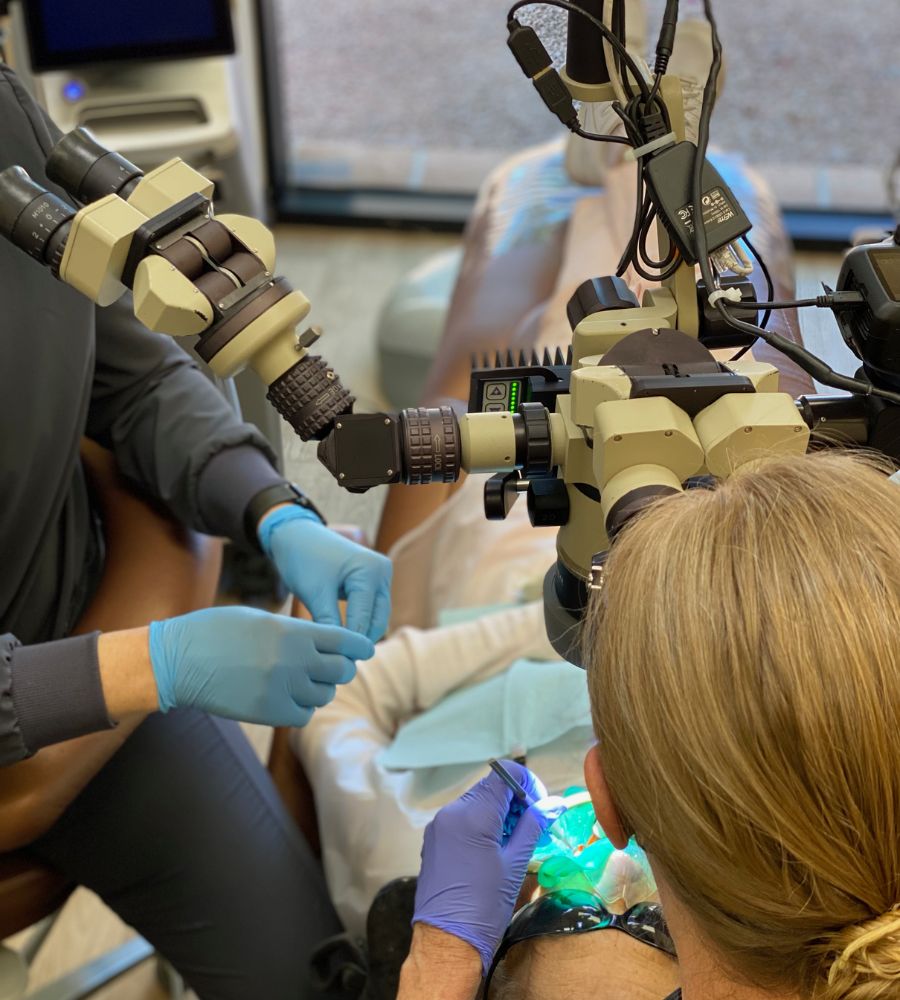 treatments, such as root canals, can be effective even if they need to be done a second time.
Endodontic retreatment offers another chance to natural teeth previously saved with a root canal. If a tooth treated with a root canal becomes sore or painful, even months or years later, see your endodontist immediately. They can determine if the tooth is a candidate for retreatment.
Here are answers to some frequently asked questions about endodontic retreatments, courtesy of practitioners at Phoenix Endodontic Group.
Answers To Common Endodontic Retreatment Questions
Why does my tooth need endodontic retreatment?
Reasons that your original root canal might fail include complex or very small root canals missed during the first procedure, or a delay in getting a crown restoration after your root canal. It’s also possible your tooth experienced new decay or damage, allowing infection to take hold.
Why perform the root canal procedure again if it has failed?
Here is a parallel: If you broke your arm a second time, you would still want the doctor to set the bone and put it in a cast. Endodontic retreatment, a non-surgical option, is one of three choices you may have; the other two are endodontic surgery (apicoectomy) and extraction.
What happens during endodontic retreatment?
Endodontic retreatment is similar to the original root canal procedure. The endodontist will remove your crown and disassemble any materials added to improve your tooth’s structure, such as a post and core. They will remove the current sealant material, carefully examine your tooth’s roots to locate the problem, and clean the canals with disinfecting fluids. Then, the canals will be resealed and a temporary filling placed. You will again need to have a crown placed to finalize the process.
Are endodontic retreatments usually successful?
Endodontic retreatments have a success rate approaching 90 percent. If your endodontist has concerns a retreatment may not be right for you, they may suggest an apicoectomy. In that surgical procedure, a small incision is made near the tooth root to address the infected tooth canals there.
“When we do an endodontic retreatment, we examine our patient’s tooth carefully to ensure the success of the procedure,” says Dr. Jacqueline S. Allen, who practices at the Phoenix Endodontic Group. “We’re happy to answer all your questions, so you’ll feel at ease during your retreatment.”

by Dr. Jacqueline S. Allen | Feb 6, 2024 | Blog, Endodontist, GentalWave, Root Canal
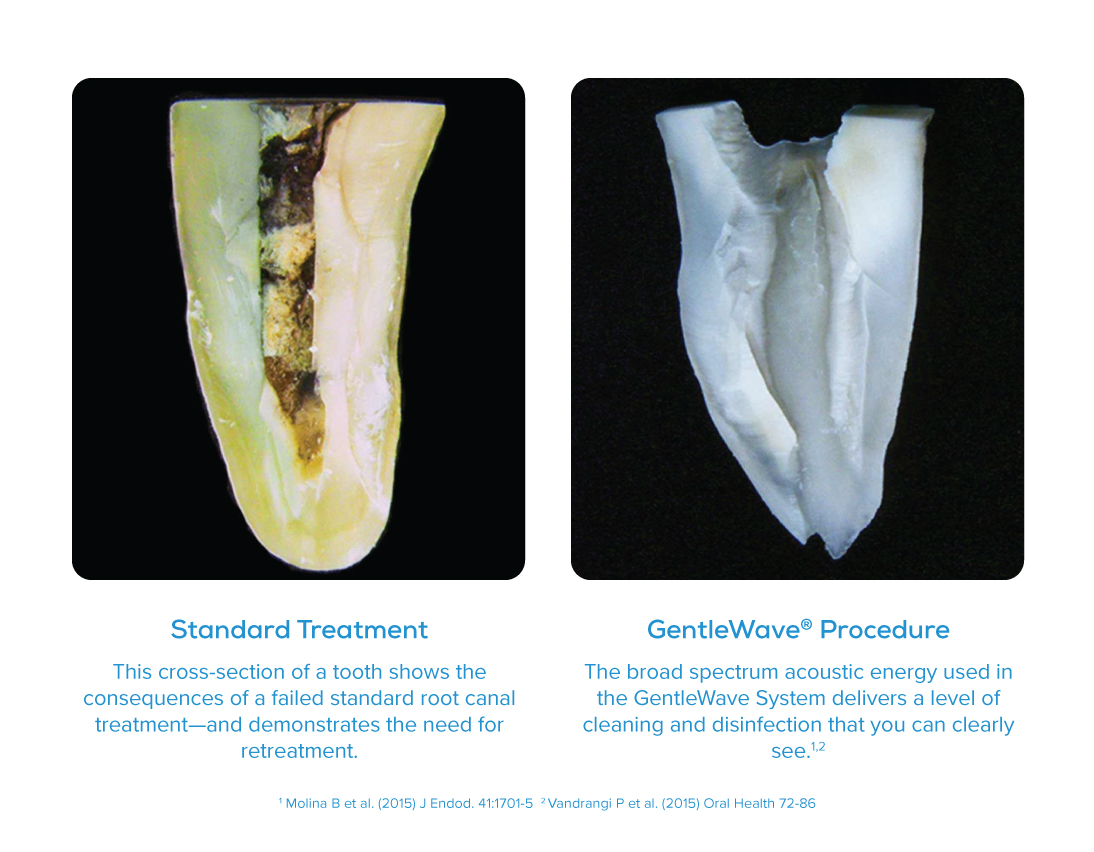
Like carpenters (or stock brokers), endodontists rely on tools of the trade to do their work. Members of both professions have plenty of tools to help them get the job done. Not all tools are created equal for specific tasks, however. Both a screwdriver and a hammer can be used to pound a nail into a board, but the hammer is the better-suited choice.
When performing root canals, endodontists now have a tool better than the metal files of old for cleaning tooth roots. Practitioners at Phoenix Endodontic Group now turn to the GentleWave system to perform root canals. Here’s a quick look at its advantages over traditional root canal tools.
Why GentleWave Beats Them All
- The GentleWave System is minimally invasive. It uses multisonic wave pressure to move specially formulated fluid through your tooth roots. No scraping.
- GentleWave can clean your root canals more completely than traditional tools. A cascade of bubbles moves like a whirlwind, descending then rising out of the canal. This flushes bacteria and biofilm from the tooth, no matter how complex the canal’s shape.
- Most patients feel little or no pain during a GentleWave root canal. An ongoing clinical trial by dental technology provider Sonendo, Inc., reported that 99.5 percent of enrolled patients experienced no pain during a GentleWave root canal utilizing CleanFlow Technology.
- Root canal treatment time is reduced when GentleFlow is used. Many root canal patients can now receive their treatment in a single session. (The necessary final crown will be placed in a later visit.)
“The GentleWave System has revolutionized how root canals are performed,” says Dr. Jacqueline S. Allen of Phoenix Endodontic Group. “It provides a faster, more complete cleaning of root canals with less discomfort. Because of this, we are confident GentleWave is the best option for most patients’ root canal therapy.”
