by Dr. Jacqueline S. Allen | Apr 6, 2026 | Dental Technology, GentalWave
If you’ve been told you need a root canal, your first instinct may be dread. Root canals have a long-standing reputation for being painful and unpleasant — but the reality is that modern endodontic care has come a long way. At Phoenix Endodontic Group, we use the GentleWave Procedure, one of the most advanced root canal technologies available today, to make treatment faster, more comfortable, and more effective than ever before.
But what exactly is GentleWave, and how does it compare to a traditional root canal? Here’s everything you need to know.
What Is a Root Canal — and Why Is It Needed?
Inside every tooth is a soft layer of tissue called the pulp, which contains nerves and blood vessels. When the pulp becomes infected or inflamed — due to deep decay, a crack, or injury — it needs to be removed to save the tooth.
A root canal is the procedure used to clean out that infected pulp, disinfect the inner canals of the tooth, and seal it to prevent reinfection. Without treatment, the infection can spread, cause an abscess, and ultimately result in tooth loss.
You can learn more on our Root Canal Therapy page.
How Does a Traditional Root Canal Work?
In a conventional root canal, the endodontist manually cleans the canals using small hand files and irrigating solutions. While this approach has successfully treated millions of patients, it does have limitations:
- Complex anatomy is harder to clean. Tooth roots branch into intricate micro-canals that hand files simply can’t reach.
- Multiple appointments may be needed. Because cleaning is more labor-intensive, traditional root canals sometimes require two visits.
- More tooth structure may be removed. Traditional filing techniques require more drilling, which can weaken the tooth over time.
- Some bacteria can remain. Microscopic spaces can harbor bacteria that lead to reinfection.
What Is the GentleWave Procedure?
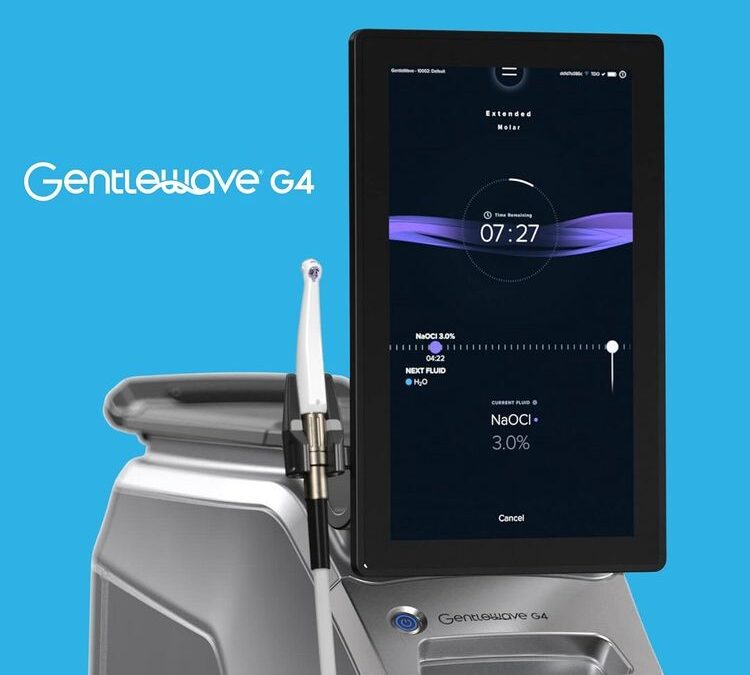
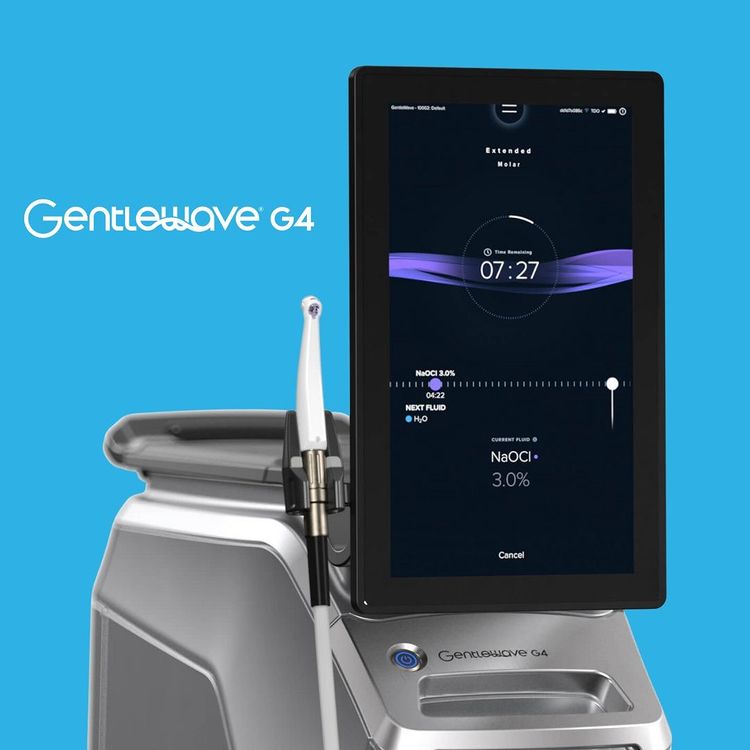
GentleWave is a state-of-the-art root canal system that uses a powerful combination of fluid dynamics and acoustic energy to clean the entire root canal system — including the microscopic spaces that traditional instruments can’t reach.
A slim GentleWave instrument is placed in the tooth’s opening and specially formulated irrigating fluids are delivered in a controlled flow, creating tiny imploding bubbles. This process shakes loose debris, dissolves bacteria, and flushes biofilm from even the deepest, most complex parts of the root system — resulting in a cleaner canal with less mechanical disruption to the tooth itself.
Learn more on our GentleWave page.
GentleWave vs. Traditional Root Canal: Key Differences
Cleaning Effectiveness
- Traditional: May leave bacteria in hard-to-reach micro-canals.
- GentleWave: Cleans more than 98% of organic material, including spaces instruments can’t physically enter.
Invasiveness
- Traditional: Requires more filing and drilling to access and clean the canals.
- GentleWave: Minimally invasive — less drilling means more of your natural tooth structure is preserved.
Number of Appointments
- Traditional: Often requires two or more visits.
- GentleWave: Many patients complete treatment in a single session.
Post-Treatment Comfort
- Traditional: Some discomfort and soreness for several days after treatment is common.
- GentleWave: More than 96% of patients report no pain 48 hours after their procedure.
Best For
- Traditional: Straightforward cases with simpler root anatomy.
- GentleWave: All cases — especially teeth with multiple canals, complex root systems, or previous treatment failures.
Who Is a Good Candidate for GentleWave?
Our endodontists recommend the GentleWave Procedure whenever possible. It is particularly beneficial for:
- Teeth with complex or curved root canal systems
- Patients who want to complete treatment in fewer visits
- Patients with dental anxiety who want a gentler experience
- Cases where a previous root canal has failed and retreatment is needed
- Anyone who wants the most thorough cleaning possible to minimize reinfection risk
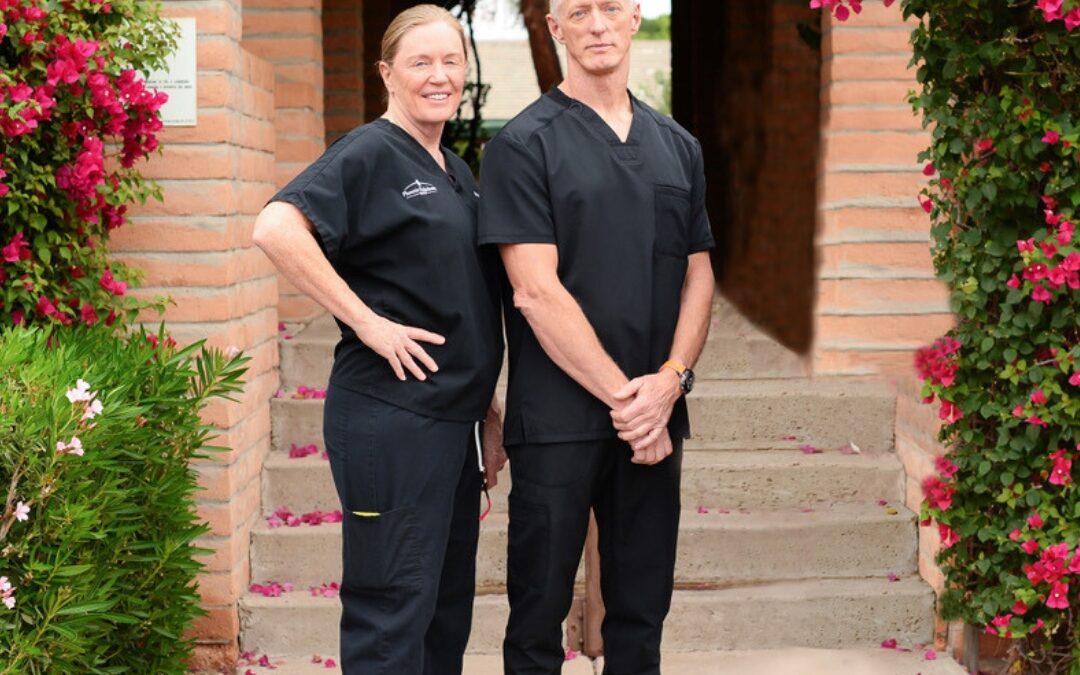
The best way to find out if GentleWave is right for you is to schedule a consultation with one of our endodontists, Dr. Jacqueline S. Allen or Dr. James F. Wolcott.
Why Phoenix Endodontic Group?
Phoenix Endodontic Group has been serving the Valley for over 25 years and has treated more than 75,000 patients. Our team is equipped with the latest endodontic technology — including GentleWave, surgical microscopes, and 3D cone beam CT imaging — to ensure every patient receives the most precise, effective care available.
We also offer IV sedation for patients with dental anxiety, and same-day emergency appointments for urgent situations.
Explore our full range of services at phoenixendodontist.com or meet our providers to learn about the expertise behind your care.
Ready for a Gentler Root Canal Experience?
If you’ve been told you need a root canal — or you’re experiencing tooth pain and want answers — the team at Phoenix Endodontic Group is here to help. Call us today at (602) 242-4745 or contact us online to schedule your appointment. Same-day emergency appointments are available.

by Dr. Jacqueline S. Allen | Nov 4, 2025 | Cracked Teeth, Dental Trauma, GentalWave
 When you’re faced with a painful or damaged tooth, extraction may seem like the fastest fix. But whenever possible, saving your natural tooth offers far greater benefits for your long-term oral health, comfort, and confidence. At Phoenix Endodontic Group, our mission is simple: to help patients keep their natural teeth for life through advanced endodontic care.
The Value of Your Natural Teeth
Your teeth aren’t just tools for eating—they’re essential to your appearance, speech, and bone structure. Once a tooth is lost, even with a replacement, your mouth begins to change.
Here’s what makes natural teeth irreplaceable:
- They preserve natural biting and chewing efficiency.
- They support your facial shape and prevent premature aging.
- They help maintain clear speech and confidence in your smile.
- They give natural sensory feedback when you chew, something artificial replacements can’t replicate.
While modern dentistry offers excellent restorative options such as bridges and implants, none can fully match the function or feel of a natural tooth.
What Happens When a Tooth Is Lost
Tooth loss doesn’t just affect your smile—it affects your whole mouth. After an extraction, the jawbone around the missing tooth begins to shrink, and nearby teeth may shift out of alignment. Over time, this can create bite problems, uneven wear, and even changes in facial structure.
To prevent these issues, replacing missing teeth becomes necessary—but that process can be costly and complex. That’s why preserving your natural tooth whenever possible is the best investment in your oral health.
How Endodontic Treatment Saves Teeth
Endodontists specialize in treating the inside of the tooth—the pulp and root canal system. When infection or inflammation reaches this inner layer, root canal therapy or other endodontic treatments can eliminate the infection and save the tooth’s structure.
At Phoenix Endodontic Group, we use advanced tools like the GentleWave System, which uses sound waves and fluid dynamics to clean even the smallest canals. This technology allows us to remove bacteria thoroughly while preserving more of your natural tooth structure.
Common Treatments That Help You “Save It”
-
Root Canal Therapy – Removes infected pulp, disinfects canals, and seals the tooth to prevent reinfection.
-
Root Canal Retreatment – Addresses a tooth that hasn’t fully healed after prior treatment.
-
Apicoectomy (Root-End Surgery) – Removes the tip of the root and infection to restore the tooth’s health.
Each of these treatments focuses on saving, not replacing, your natural tooth.
The Long-Term Benefits of Saving Your Teeth
- Better Oral Health – Keeping your natural teeth maintains the balance of your bite and jawbone.
- Cost-Effectiveness – Restorative or surgical replacements often cost more than saving the tooth initially.
- Natural Look and Feel – Your own teeth always look and function best.
- Confidence and Comfort – No need to adjust to replacements or worry about fit issues.
- Sustainable Care – Saving your teeth helps you maintain a healthy smile without multiple future procedures.
How to Protect Your Natural Teeth
Even after successful endodontic treatment, caring for your teeth is vital. Here’s how to keep them healthy for life:
-
Brush twice daily with fluoride toothpaste.
-
Floss daily to remove plaque between teeth.
-
Visit your dentist regularly for cleanings and checkups.
-
Avoid using your teeth to open packages or bite hard objects.
-
Wear a mouthguard if you play sports or grind your teeth at night.
-
Address any tooth pain promptly—early treatment increases the chance of saving the tooth.
Choosing Specialists Who Prioritize Preservation
At Phoenix Endodontic Group, we believe in saving your natural teeth whenever possible. Our team combines advanced technology, precision techniques, and compassionate care to treat infections, relieve pain, and preserve what nature gave you. We collaborate closely with your general dentist to ensure your restored tooth remains strong, functional, and beautiful for years to come.
If you’ve been told a tooth may need extraction, you may still have options. Before removing it, talk with an endodontist about ways to save your natural tooth.
Call Phoenix Endodontic Group at (602) 242-4745 or schedule your consultation online to learn how advanced endodontic treatment can keep your smile healthy and complete—for life.

by Dr. Jacqueline S. Allen | Oct 1, 2025 | Dental Emergency, Dental Trauma, GentalWave, Root Canal
Dental injuries can happen in an instant—a fall, a sports accident, or even biting into something hard can leave you with a cracked, dislodged, or knocked-out tooth. When dental trauma strikes, acting quickly is the key to saving your natural tooth. While a general dentist may be your first call, often the best specialist to handle these emergencies is an endodontist. Endodontists focus on saving natural teeth and have the advanced training and technology to treat traumatic dental injuries effectively.
Common Types of Dental Trauma
Dental injuries vary widely, and each requires prompt, specialized attention. Some of the most common injuries include:
-
Chipped or fractured teeth: Even a small chip can expose the inner layers of the tooth, leaving it vulnerable to bacteria and infection. Larger fractures may reach the pulp (the tooth’s living tissue), requiring root canal treatment to prevent further damage.
-
Dislodged (luxated) teeth: A tooth can be pushed deeper into the socket, partially pulled out, or shifted sideways. An endodontist can carefully reposition and stabilize the tooth, followed by root canal treatment if the pulp has been damaged.
-
Knocked-out (avulsed) teeth: When a tooth is completely knocked out, every minute counts. If the tooth is preserved correctly and reinserted promptly, there’s a good chance it can be saved.
-
Root fractures: These are often invisible to the eye and require advanced imaging to diagnose. Endodontists are trained to detect and treat root fractures, which can otherwise lead to tooth loss.
Why See an Endodontist for Dental Trauma?
Endodontists are sometimes called the “specialists in saving teeth” because they focus exclusively on treating problems inside the tooth, including traumatic injuries. Here’s why they’re uniquely qualified:
- Advanced training – Endodontists complete two to three years of specialized education beyond dental school, learning advanced techniques for managing injuries to the tooth pulp and roots.
- Expertise in root canal therapy – Many dental injuries damage the pulp, and root canal treatment is often the best way to preserve the tooth. Endodontists perform root canals daily, using precision and care.
- State-of-the-art technology – At Phoenix Endodontic Group, we use tools like 3D imaging and GentleWave® technology to deliver precise, comfortable care that maximizes the chances of saving your tooth.
- Emergency care focus – Endodontists frequently see patients with urgent dental trauma and know how to act quickly to minimize long-term damage.
What To Do If You Knock Out a Tooth
One of the most severe dental emergencies is a knocked-out tooth. Here are the steps to take immediately:
-
Handle carefully: Pick up the tooth by the crown (the part you see in your mouth), not the root.
-
Rinse gently: If dirty, rinse it briefly with water, but don’t scrub or remove attached tissue.
-
Reinsert if possible: Place the tooth back in its socket and hold it there with gentle pressure.
-
Keep moist: If reinsertion isn’t possible, keep the tooth in a container of milk or hold it inside your cheek. Avoid tap water, which can damage the root cells.
-
Seek immediate care: Call an endodontist right away. The sooner the tooth is replanted—ideally within 30 minutes—the higher the chances of saving it.
Long-Term Care After Dental Trauma
Even after the immediate injury is treated, teeth that have experienced trauma need ongoing care. Root canal treatment may be necessary weeks or even months after the injury if the pulp becomes inflamed or infected. Regular follow-ups with your endodontist are essential to monitor healing and ensure long-term tooth survival.
In some cases, additional procedures like an apicoectomy (surgical root repair) may be required if the tooth does not heal properly. With modern techniques, however, many injured teeth can last for years—sometimes a lifetime—after trauma.
Protecting Your Smile
While accidents can’t always be prevented, you can lower your risk of dental injuries:
-
Wear a mouthguard when playing contact sports or activities with risk of falls.
-
Avoid chewing hard objects like ice, pens, or hard candies.
-
Maintain regular dental checkups so small cracks or chips are detected before they worsen.
Trust Phoenix Endodontic Group With Dental Trauma
A dental injury can feel overwhelming, but the right care can make all the difference. At Phoenix Endodontic Group, our specialists are committed to saving your natural teeth whenever possible. From advanced imaging to GentleWave® root canal therapy, we provide precise, compassionate treatment to restore your smile after trauma.
If you or a loved one experiences a dental injury, don’t wait—call Phoenix Endodontic Group immediately for expert care that can save your tooth.
by Dr. Jacqueline S. Allen | Jul 7, 2025 | Blog, Endodontist, GentalWave, Root Canal
Most people are familiar with general dentists, but when a dental issue goes deeper—literally—your dentist might refer you to a specialist called an endodontist. But what exactly does an endodontist do? If you’re experiencing tooth pain, sensitivity, or have been told you need a root canal, understanding the role of an endodontist can help you feel more informed and confident in your care.
What Is an Endodontist?
An endodontist is a dental specialist who focuses on diagnosing and treating problems related to the dental pulp and the tissues surrounding the roots of a tooth.  After completing dental school, endodontists undergo two or more additional years of advanced training specifically in root canal therapy, complex tooth anatomy, and pain management. While all endodontists are dentists, not all dentists are endodontists. General dentists handle routine care like cleanings, fillings, and crowns, while endodontists are experts in saving natural teeth through specialized procedures.
What Procedures Do Endodontists Perform?
The most common procedure endodontists perform is root canal therapy. However, their expertise extends beyond that. Here’s a breakdown of services typically offered:
- Root Canal Therapy
This treatment is done to remove infected or inflamed pulp tissue inside a tooth. An endodontist carefully cleans and disinfects the inner canals of the tooth, then fills and seals them to prevent further infection.
- Root Canal Retreatment
If a tooth that has already had a root canal becomes painful or infected again, endodontists can retreat the tooth to give it a second chance.
- Apicoectomy (Root-End Surgery)
Sometimes, inflammation or infection persists even after a root canal. In these cases, endodontists may perform an apicoectomy, which involves removing the tip of the root and sealing it to stop the issue at its source.
- Traumatic Dental Injury Treatment
Endodontists also treat teeth that have been cracked, chipped, or knocked out due to accidents or sports injuries. Their training enables them to preserve teeth that may otherwise be lost.
- GentleWave® Procedure
At Phoenix Endodontic Group, we’re proud to offer the GentleWave® procedure as a modern, minimally invasive alternative to traditional root canal treatment. This advanced technology uses a combination of sound waves and fluid dynamics to deeply clean and disinfect even the most complex root canal systems. Unlike traditional root canal methods that rely on manual files to remove infected tissue, the GentleWave® system reaches microscopic spaces and removes bacteria, debris, and infected tissue more thoroughly. The benefits of the GentleWave® procedure are impressive. It is less invasive, preserving more of your natural tooth structure. Patients typically experience less post-operative discomfort, and because the system provides a more complete cleaning, it often reduces the need for multiple visits. Many treatments can be completed in just one appointment. Additionally, GentleWave® minimizes the risk of reinfection by removing bacteria from hard-to-reach areas that traditional methods might miss. By offering the GentleWave® procedure, Phoenix Endodontic Group ensures our patients receive state-of-the-art care with faster recovery times, enhanced comfort, and highly successful outcomes — making root canal treatment safer, easier, and more effective than ever before.
 When Should You See an Endodontist?
Your general dentist might refer you to an endodontist for several reasons: you have severe tooth pain or prolonged sensitivity to hot or cold, you’ve experienced dental trauma, you need a root canal or root canal retreatment, your tooth has complex anatomy that requires specialized care, or you want to explore advanced treatment options like GentleWave®. Seeing an endodontist can help you save your natural teeth whenever possible, which is always the best option for your long-term oral health.
Benefits of Seeing an Endodontist
Choosing to see an endodontist comes with many advantages. With focused training, endodontists are highly skilled in diagnosing and treating tooth pain and root issues. Many use cutting-edge tools like digital imaging, microsurgical techniques, and advanced technology like GentleWave® to improve accuracy and comfort. Endodontists can often complete complex procedures in fewer visits than a general dentist. Their precision and training often lead to higher success rates, especially for difficult cases.
Trust Your Smile to a Root Canal Specialist
At Phoenix Endodontic Group, our board-certified endodontists specialize in saving teeth with expert care, precision, and compassion. Whether you’ve been referred by your dentist or are exploring options for persistent tooth pain, we’re here to help. Contact us today to schedule a consultation and take the next step toward restoring your oral health and comfort.

by Dr. Jacqueline S. Allen | Feb 6, 2024 | Blog, Endodontist, GentalWave, Root Canal
Like carpenters (or stock brokers), endodontists rely on tools of the trade to do their work. Members of both professions have plenty of tools to help them get the job done. Not all tools are created equal for specific tasks, however. Both a screwdriver and a hammer can be used to pound a nail into a board, but the hammer is the better-suited choice.
When performing root canals, endodontists now have a tool better than the metal files of old for cleaning tooth roots. Practitioners at Phoenix Endodontic Group now turn to the GentleWave system to perform root canals. Here’s a quick look at its advantages over traditional root canal tools.
Why GentleWave Beats Them All
- The GentleWave System is minimally invasive. It uses multisonic wave pressure to move specially formulated fluid through your tooth roots. No scraping.
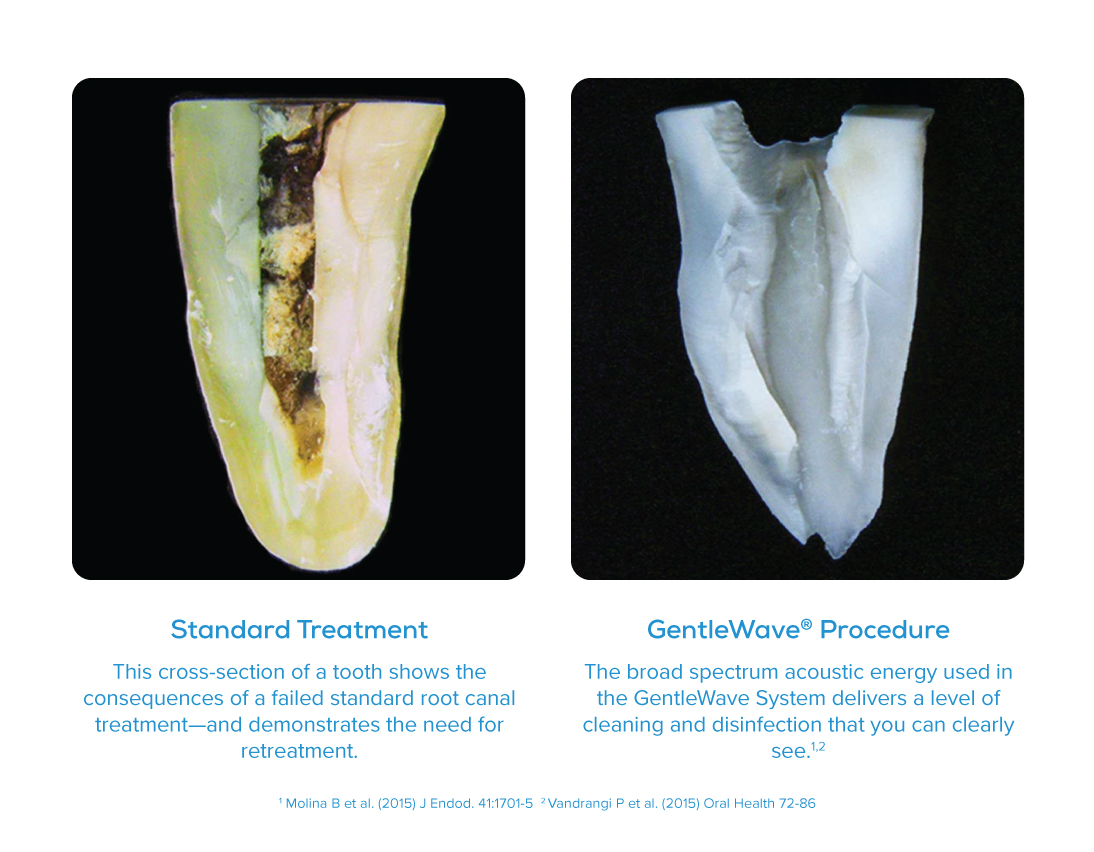
- GentleWave can clean your root canals more completely than traditional tools. A cascade of bubbles moves like a whirlwind, descending then rising out of the canal. This flushes bacteria and biofilm from the tooth, no matter how complex the canal’s shape.
- Most patients feel little or no pain during a GentleWave root canal. An ongoing clinical trial by dental technology provider Sonendo, Inc., reported that 99.5 percent of enrolled patients experienced no pain during a GentleWave root canal utilizing CleanFlow Technology.
- Root canal treatment time is reduced when GentleFlow is used. Many root canal patients can now receive their treatment in a single session. (The necessary final crown will be placed in a later visit.)
“The GentleWave System has revolutionized how root canals are performed,” says Dr. Jacqueline S. Allen of Phoenix Endodontic Group. “It provides a faster, more complete cleaning of root canals with less discomfort. Because of this, we are confident GentleWave is the best option for most patients’ root canal therapy.”

by Dr. Jacqueline S. Allen | Aug 7, 2023 | Blog, Endodontist, GentalWave, Root Canal
Phoenix Endodontics Group treats patients using the most up-to-date technology. We do this because advances inevitably bring a better experience and better post-treatment outcomes for patients.
If you come to us for a root canal, we are likely to suggest the GentleWave Procedure. Let’s look at why we prefer GentleWave technology over traditional approaches to root canals.
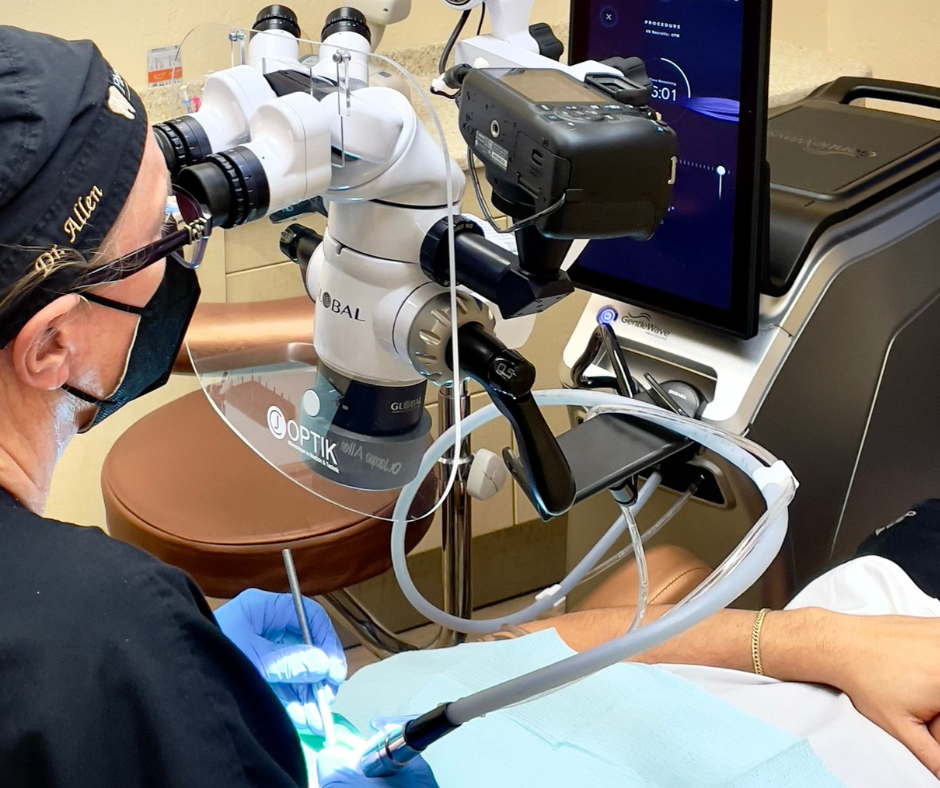
GentleWave – Best Current Root Canal Therapy?
1. The GentleWave Procedure leverages fluid dynamics to flush root canals clean. A traditional root canal relies on cleaning with files and other special instruments. If a spot is missed, or a canal is hard to find, some infection can remain. GentleWave’s cascade of tiny imploding bubbles more completely removes biofilm, bacterial infection, and other material from the tooth.
2. The GentleWave Procedure reaches and shakes loose debris that even skilled endodontists miss. For complex root canal systems, treatment using the GentleWave Procedure provides extra assurance that all surfaces have been cleaned and disinfected.
3. The GentleWave Procedure is less invasive than traditional root canal therapy. For those with dental anxiety, root canals can be challenging. With GentleWave, there is less scraping and tapping in the canals and less pain, resulting in a less stressful experience.
4. The GentleWave Procedure requires less time for treatment and recovery. Our patients are pleased that their root canal therapy can be completed in one session most of the time! (They will still need to promptly see their general dentist for a crown to complete restoration.) They are also happy to find they are able to return to their usual activities more quickly than after a traditional root canal, too.
“Our implementation of the GentleWave Procedure for root canal therapy has been a win-win for our practice and our patients,” says Dr. Jacqueline S. Allen, an endodontist at Phoenix Endodontic Group. “We are able to provide a more comprehensive, less invasive treatment, and patients benefit from faster treatment and reduced recovery times with less pain and anxiety.”
