What Is the GentleWave Procedure and How Is It Different from a Traditional Root Canal?
If you’ve been told you need a root canal, your first instinct may be dread. Root canals have a long-standing reputation for being painful and unpleasant — but the reality is that modern endodontic care has come a long way. At Phoenix Endodontic Group, we use the GentleWave Procedure, one of the most advanced root canal technologies available today, to make treatment faster, more comfortable, and more effective than ever before.
But what exactly is GentleWave, and how does it compare to a traditional root canal? Here’s everything you need to know.
What Is a Root Canal — and Why Is It Needed?
Inside every tooth is a soft layer of tissue called the pulp, which contains nerves and blood vessels. When the pulp becomes infected or inflamed — due to deep decay, a crack, or injury — it needs to be removed to save the tooth.
A root canal is the procedure used to clean out that infected pulp, disinfect the inner canals of the tooth, and seal it to prevent reinfection. Without treatment, the infection can spread, cause an abscess, and ultimately result in tooth loss.
You can learn more on our Root Canal Therapy page.
How Does a Traditional Root Canal Work?
In a conventional root canal, the endodontist manually cleans the canals using small hand files and irrigating solutions. While this approach has successfully treated millions of patients, it does have limitations:
- Complex anatomy is harder to clean. Tooth roots branch into intricate micro-canals that hand files simply can’t reach.
- Multiple appointments may be needed. Because cleaning is more labor-intensive, traditional root canals sometimes require two visits.
- More tooth structure may be removed. Traditional filing techniques require more drilling, which can weaken the tooth over time.
- Some bacteria can remain. Microscopic spaces can harbor bacteria that lead to reinfection.
What Is the GentleWave Procedure?
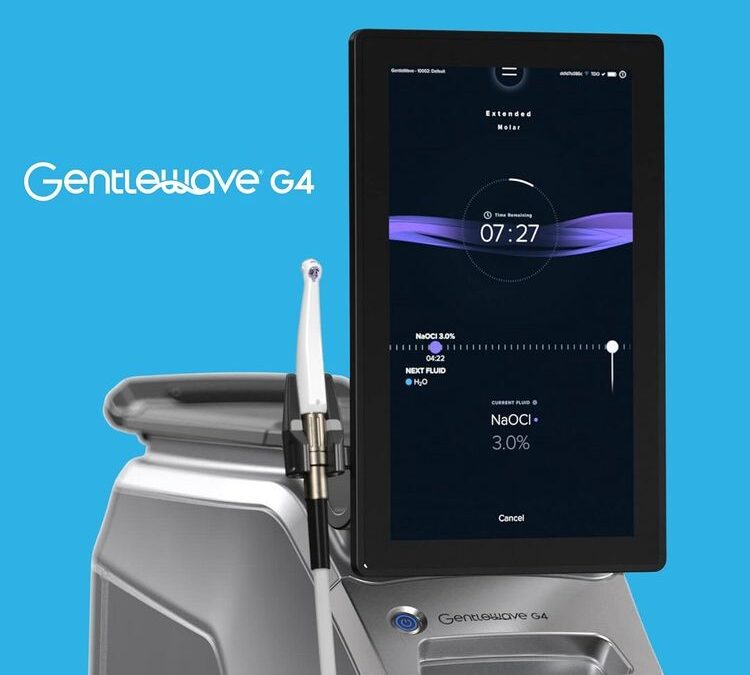
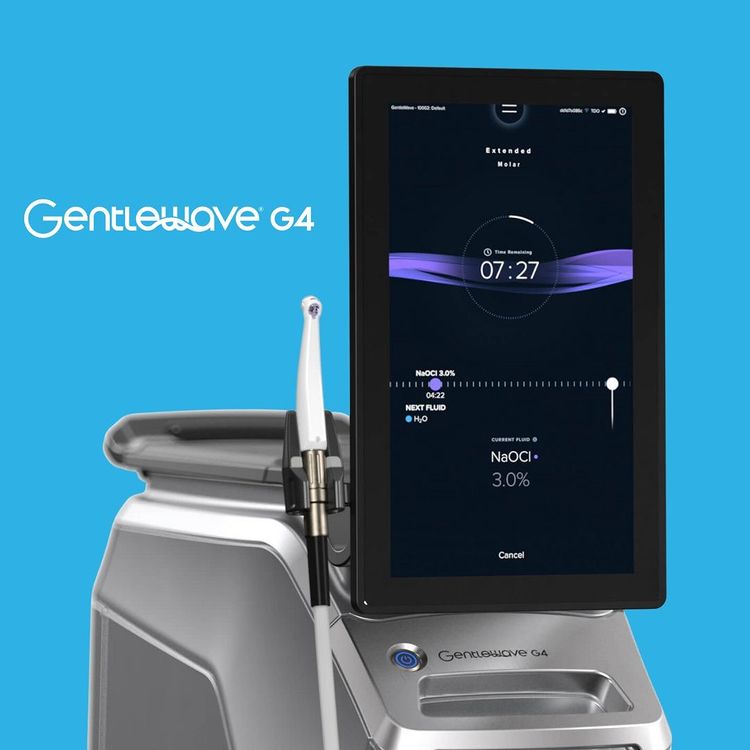
GentleWave is a state-of-the-art root canal system that uses a powerful combination of fluid dynamics and acoustic energy to clean the entire root canal system — including the microscopic spaces that traditional instruments can’t reach.
A slim GentleWave instrument is placed in the tooth’s opening and specially formulated irrigating fluids are delivered in a controlled flow, creating tiny imploding bubbles. This process shakes loose debris, dissolves bacteria, and flushes biofilm from even the deepest, most complex parts of the root system — resulting in a cleaner canal with less mechanical disruption to the tooth itself.
Learn more on our GentleWave page.
GentleWave vs. Traditional Root Canal: Key Differences
Cleaning Effectiveness
- Traditional: May leave bacteria in hard-to-reach micro-canals.
- GentleWave: Cleans more than 98% of organic material, including spaces instruments can’t physically enter.
Invasiveness
- Traditional: Requires more filing and drilling to access and clean the canals.
- GentleWave: Minimally invasive — less drilling means more of your natural tooth structure is preserved.
Number of Appointments
- Traditional: Often requires two or more visits.
- GentleWave: Many patients complete treatment in a single session.
Post-Treatment Comfort
- Traditional: Some discomfort and soreness for several days after treatment is common.
- GentleWave: More than 96% of patients report no pain 48 hours after their procedure.
Best For
- Traditional: Straightforward cases with simpler root anatomy.
- GentleWave: All cases — especially teeth with multiple canals, complex root systems, or previous treatment failures.
Who Is a Good Candidate for GentleWave?
Our endodontists recommend the GentleWave Procedure whenever possible. It is particularly beneficial for:
- Teeth with complex or curved root canal systems
- Patients who want to complete treatment in fewer visits
- Patients with dental anxiety who want a gentler experience
- Cases where a previous root canal has failed and retreatment is needed
- Anyone who wants the most thorough cleaning possible to minimize reinfection risk
The best way to find out if GentleWave is right for you is to schedule a consultation with one of our endodontists, Dr. Jacqueline S. Allen or Dr. James F. Wolcott.
Why Phoenix Endodontic Group?
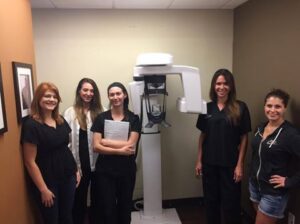
Phoenix Endodontic Group has been serving the Valley for over 25 years and has treated more than 75,000 patients. Our team is equipped with the latest endodontic technology — including GentleWave, surgical microscopes, and 3D cone beam CT imaging — to ensure every patient receives the most precise, effective care available.
We also offer IV sedation for patients with dental anxiety, and same-day emergency appointments for urgent situations.
Explore our full range of services at phoenixendodontist.com or meet our providers to learn about the expertise behind your care.
Ready for a Gentler Root Canal Experience?
If you’ve been told you need a root canal — or you’re experiencing tooth pain and want answers — the team at Phoenix Endodontic Group is here to help. Call us today at (602) 242-4745 or contact us online to schedule your appointment. Same-day emergency appointments are available.