
by Dr. Jacqueline S. Allen | Nov 4, 2025 | Cracked Teeth, Dental Trauma, GentalWave
 When you’re faced with a painful or damaged tooth, extraction may seem like the fastest fix. But whenever possible, saving your natural tooth offers far greater benefits for your long-term oral health, comfort, and confidence. At Phoenix Endodontic Group, our mission is simple: to help patients keep their natural teeth for life through advanced endodontic care.
The Value of Your Natural Teeth
Your teeth aren’t just tools for eating—they’re essential to your appearance, speech, and bone structure. Once a tooth is lost, even with a replacement, your mouth begins to change.
Here’s what makes natural teeth irreplaceable:
- They preserve natural biting and chewing efficiency.
- They support your facial shape and prevent premature aging.
- They help maintain clear speech and confidence in your smile.
- They give natural sensory feedback when you chew, something artificial replacements can’t replicate.
While modern dentistry offers excellent restorative options such as bridges and implants, none can fully match the function or feel of a natural tooth.
What Happens When a Tooth Is Lost
Tooth loss doesn’t just affect your smile—it affects your whole mouth. After an extraction, the jawbone around the missing tooth begins to shrink, and nearby teeth may shift out of alignment. Over time, this can create bite problems, uneven wear, and even changes in facial structure.
To prevent these issues, replacing missing teeth becomes necessary—but that process can be costly and complex. That’s why preserving your natural tooth whenever possible is the best investment in your oral health.
How Endodontic Treatment Saves Teeth
Endodontists specialize in treating the inside of the tooth—the pulp and root canal system. When infection or inflammation reaches this inner layer, root canal therapy or other endodontic treatments can eliminate the infection and save the tooth’s structure.
At Phoenix Endodontic Group, we use advanced tools like the GentleWave System, which uses sound waves and fluid dynamics to clean even the smallest canals. This technology allows us to remove bacteria thoroughly while preserving more of your natural tooth structure.
Common Treatments That Help You “Save It”
-
Root Canal Therapy – Removes infected pulp, disinfects canals, and seals the tooth to prevent reinfection.
-
Root Canal Retreatment – Addresses a tooth that hasn’t fully healed after prior treatment.
-
Apicoectomy (Root-End Surgery) – Removes the tip of the root and infection to restore the tooth’s health.
Each of these treatments focuses on saving, not replacing, your natural tooth.
The Long-Term Benefits of Saving Your Teeth
- Better Oral Health – Keeping your natural teeth maintains the balance of your bite and jawbone.
- Cost-Effectiveness – Restorative or surgical replacements often cost more than saving the tooth initially.
- Natural Look and Feel – Your own teeth always look and function best.
- Confidence and Comfort – No need to adjust to replacements or worry about fit issues.
- Sustainable Care – Saving your teeth helps you maintain a healthy smile without multiple future procedures.
How to Protect Your Natural Teeth
Even after successful endodontic treatment, caring for your teeth is vital. Here’s how to keep them healthy for life:
-
Brush twice daily with fluoride toothpaste.
-
Floss daily to remove plaque between teeth.
-
Visit your dentist regularly for cleanings and checkups.
-
Avoid using your teeth to open packages or bite hard objects.
-
Wear a mouthguard if you play sports or grind your teeth at night.
-
Address any tooth pain promptly—early treatment increases the chance of saving the tooth.
Choosing Specialists Who Prioritize Preservation
At Phoenix Endodontic Group, we believe in saving your natural teeth whenever possible. Our team combines advanced technology, precision techniques, and compassionate care to treat infections, relieve pain, and preserve what nature gave you. We collaborate closely with your general dentist to ensure your restored tooth remains strong, functional, and beautiful for years to come.
If you’ve been told a tooth may need extraction, you may still have options. Before removing it, talk with an endodontist about ways to save your natural tooth.
Call Phoenix Endodontic Group at (602) 242-4745 or schedule your consultation online to learn how advanced endodontic treatment can keep your smile healthy and complete—for life.
by Dr. Jacqueline S. Allen | Feb 5, 2025 | Cracked Teeth, Dental Pulp
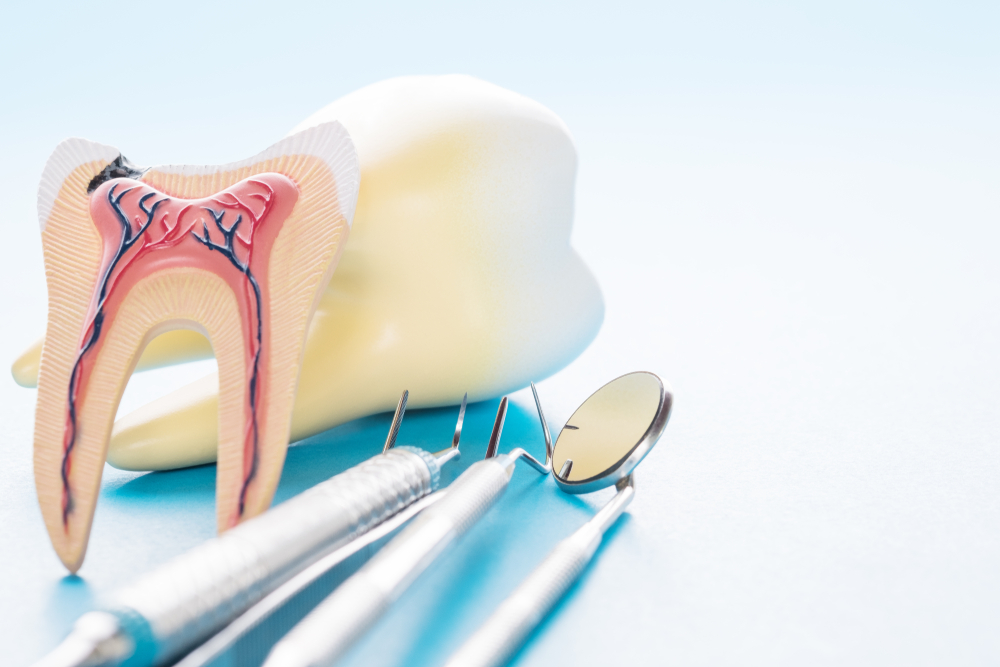
Our natural teeth have a tough outer layer of enamel, but it’s not impenetrable. Underneath the enamel and dentin lies dental pulp (soft tissue, nerves and blood vessels). Pulp carries nutrients and blood to enamel and underlying dentin to keep teeth alive and healthy. Cracks, chips or erosion of tooth enamel allow bacteria to enter the tooth, causing dental pulp concerns.
Endodontists are specialists who focus their dental practice on preserving natural teeth and treating problems with dental pulp. Let’s look at what happens when dental pulp becomes inflamed and explore how endodontists treat these issues.
Understanding The Impact Of Dental Pulp Infections
Pulpitis refers to an irritation of dental pulp. Endodontists use diagnostic procedures such as electric pulp testing and tapping tests to determine the extent of the inflammation.
Reversible pulpitis happens when the dental pulp is alive and the natural tooth can recover. The infected pulp can be removed and a normal filling placed in the tooth to prevent further damage.
Unchecked, it becomes irreversible and the natural tooth cannot recover without more invasive treatment. The pulp may actually die, a condition known as pulp necrosis. A severe infection in the pulp can spread and cause an abscess if not treated. Abscesses can lead to life-threatening complications, so getting endodontic treatment fast can be life-saving.
How Endodontists Treat Pulpitis
Treatments for pulpitis fall into three major categories: treatments that can limit the damage; treatments that replace dental pulp with a biocompatible alternative; and treatments that involve removing the natural tooth.
For pulpitis in early stages, an endodontist may remove the damaged pulp and add a crown to resolve the issue. If the condition becomes irreversible, though, they will perform a root canal to remove all of the affected tooth’s dental pulp, clean the tooth roots and replace the pulp with gutta-percha or a similar filling.
If the outer structure of the natural tooth cannot be strengthened with a crown and/or a post and core, tooth extraction may be the only remaining option. It may be replaced with a dental implant or bridge.
Your endodontist can answer questions about how to treat your dental pulp infection and what the prognosis is for saving your natural tooth.
Call Our Office For A Dental Pulp Evaluation
If you’re concerned you may have a dental pulp problem, call our office at 602-242-4745 for an evaluation. Our practice offers 24/7 emergency treatment options to ensure you can access the right treatment whenever you need it.
by Dr. Jacqueline S. Allen | Nov 4, 2024 | Cracked Teeth
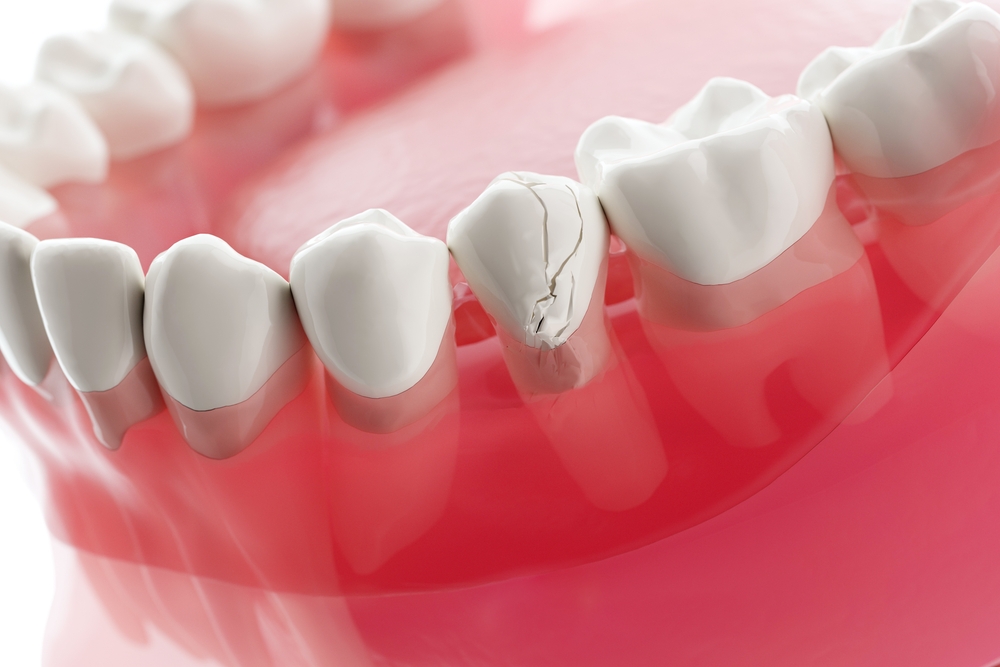
Perhaps if we were able to treat cracked or broken teeth with the ease of treating broken bones, more people would seek treatment promptly. Unfortunately, cracked teeth are often invisible to the outside world, and small enough that, even though they can cause a great deal of pain, those who suffer them feel as if “toughing it out” without treatment is a workable option.
The sad truth about cracked teeth is that, unlike bones, they will never mend without attention from a dental professional. Fractured teeth can lead to tooth decay and serious infection, so it’s critical to have cracked teeth cared for immediately.
Answers To Common Questions About Cracked Teeth
Many people delay treatment of a cracked tooth from lack of knowledge of its nature. Here’s a review of some helpful information about cracked teeth.
What are some causes of cracked teeth?
Most cracked teeth happen because the teeth encounter a strong force – like being hit in the mouth with a basketball or falling face-first on a pool deck – or because the teeth have been weakened by tooth decay, or through a combination of those factors. Other potential causes include biting down on ice, popcorn kernels or hard candy, and bruxism (teeth grinding).
What are common symptoms of cracked teeth?
With a minor crack, you may only know because you can see it or feel it with your tongue. More seriously cracked teeth can result in pain when you bite down, sensitivity to hot or cold substances, or swelling around the tooth.
How does an endodontist treat a cracked tooth?
Treatment for your cracked tooth will depend on the crack. Your general dentist may be able to repair a minor crack using dental bonding. If the crack is more than superficial, particularly if the damage extends to the interior of the tooth, an endodontist may perform a root canal to save the tooth. A root canal removes infected nerve pulp and replaces it with a biocompatible filler material. The process is completed with a crown, which protects the treated natural tooth from infection and decay.
Don’t Ignore Cracked Teeth – Get Seen Today!
A cracked tooth can rapidly escalate from nuisance to emergency. Call the Phoenix Endodontic Group at 602-242-4745 to arrange urgent care for your cracked or broken tooth.
by Dr. Jacqueline S. Allen | Jun 3, 2024 | Cracked Teeth, Root Canal
Everyone’s teeth are unique, as is the story of what brings each patient into the endodontist’s office. Some patients have struggled with dental health their entire lives; others show up needing help to save a tooth when they never had a cavity.
While the story of your teeth is personal, there are several common reasons you might need root canal therapy. The good news is that you can take proactive steps if you are concerned and want to protect and preserve your dental health. Paying attention to these factors may help minimize damage to your oral health and speed you on the road to recovery after root canal therapy.
Top 3 Situations That Can Lead To Root Canal Therapy
- Severe tooth decay extending deep into the tooth. An untreated cavity or tooth weakened by decay can go from bad to worse quickly if decay reaches nerve pulp in your tooth. Bacteria associated with tooth decay can cause an abscess, requiring emergency treatment to stabilize. You will need root canal therapy to clean the tooth’s roots and save the natural tooth. If you think you may have a cavity, make an appointment with your dentist.
- A cracked or chipped tooth. Bacteria that infect tooth pulp can also enter through an injury to the tooth. Teeth may be damaged in car accidents, sports, or falls. Always get prompt medical attention for chipped or broken teeth. You may eventually need root canal therapy to ensure an injured tooth will not suffer additional structural problems.
- A damaged or failing dental restoration. It doesn’t seem fair that a restoration meant to protect your tooth might contribute to the need for root canal therapy. Crowns are designed to be durable, but some may be more susceptible to damage or failure than others. To avoid this fate, practice good oral hygiene and visit the dentist regularly to keep tabs on how your crown or other restoration is impacting your mouth as a whole.
“There’s no shame in needing root canal therapy – many people encounter common situations best treated through root canals to preserve natural teeth,” says Dr. Jacqueline S. Allen, who practices at the Phoenix Endodontic Group. “Communicating clearly with your dentist and endodontist about what you are experiencing can lead to more accurate diagnoses and more successful treatment.”

by Dr. Jacqueline S. Allen | Dec 13, 2017 | Blog, Cracked Teeth, Endodontist
While many of us appreciate the change in schedule that the winter holidays usher in, if we experience a dental emergency during a holiday, it can be difficult to determine what conditions require immediate care by a dentist and which don’t. Here are a few guidelines to help you determine whether your dental pains are serious or not, and what to do next.
 Red Alert: Don’t Ignore A Dental Emergency
If you experience a dental injury that is the result of a blow to the head or face, involves a laceration, serious cut, a jaw fracture or dislocation, or is caused by an infection in your mouth so severe it’s impacting your ability to breathe or swallow, you’ll want to head directly for the ER. All of these conditions are potentially life-threatening and need immediate medical attention.
Yellow Alert: Urgent But Not Emergency Conditions
There is another category of dental crisis that normally necessitates a next-day trip to the dentist. Some of these conditions include:
- Cracked or broken teeth
- A knocked-out tooth that was not the result of face/head trauma
- A dental abscess that’s painful but not interfering with breathing or swallowing
If your dentist or endodontist is not available due to a holiday closure, call the office’s emergency number. The practice may have a designated emergency provider, or your provider may be able to call in an antibiotic to eliminate infection.
Green Alert: Situations Where Home Care Can Work
Although it may make for a challenging day or two, some dental conditions can be managed from home until the dentist is open for business after the holidays.
- If you lose a filling, your pharmacy may carry temporary dental filling material to protect your tooth.
- A mild toothache may respond to over-the-counter pain relievers until the dentist visit can be scheduled.
- Some minor dental discomfort can be relieved by chewing on the side opposite the painful tooth until your appointment.
- Keep the affected area of your mouth clean by swishing with salt water.
“Our practice makes every effort to see clients the same day that they call,” says Dr. Jacqueline S. Allen, a partner at the Phoenix Endodontic Group. “We see patients on an emergency basis 24 hours a day, seven days a week. However, when there is a delay before a client can see the dentist, we can help them determine the safest and most comfortable way to make it through a holiday.”
by Dr. Jacqueline S. Allen | Sep 12, 2017 | Blog, Cracked Teeth, Endodontist
 When it comes to your dental health, it’s true that what you don’t know about a condition can hurt you far more than what you do know. Cracked teeth are an especially good example of this phenomenon. Depending on the type and severity of the crack, the impacted tooth may display clearly distressing, perplexing signs, or even no symptoms at all.
Your local endodontist is a specialist in diagnosing and treating cracked teeth. Here is a short list of “must-know” bits of information about cracked teeth.
Cracked Teeth: What Your Endodontist Wants You To Know
There can be many reasons a tooth becomes cracked. If you think that you can’t be experiencing a cracked tooth because you don’t remember anything that could have cracked it, understand that the reasons teeth become cracked vary. Cracked teeth can result from chewing on nuts, hard candy or ice, a blow to the mouth; chronically grinding one’s teeth, and previously losing an extensive amount of natural tooth structure, to exposure of the tooth to temperature extremes.
Teeth can become cracked in a variety of ways. There are craze lines, which only impact the cosmetic look of your enamel; a fractured cusp, which impacts the biting surface of your tooth; a cracked tooth, which is a fracture of the tooth and may or may not have extended to the root yet; and a vertical root fracture, which starts at the root and extends upward to the biting surface of the tooth.
Early diagnosis of cracked teeth is critical. If you believe you might have a cracked tooth, don’t put off a trip to your endodontist for an evaluation. Unlike other types of human bones, broken teeth do not heal. A small crack will get worse, and once the crack reaches the pulp of the tooth, the survival of the natural tooth itself will be in peril. Prompt diagnosis of the condition will give your endodontist treatment options such as fillings or crowns to protect the vulnerable tooth structure, or root canal treatment if the crack is impacting the pulp of the tooth.
“The whole idea of having a cracked tooth can be upsetting, but endodontists have many tools for resolving fractures to your natural teeth that preserve them and keep them healthy,” says Dr. Allen, who practices with the Phoenix Endodontic Group.
