
by Dr. Jacqueline S. Allen | Apr 7, 2014 | Blog, Endodontics
 Unless you have had a root canal, you may not be familiar with the term “endodontist.” An endodontist is a dental professional who specializes in root canals and other treatments which involve the inside of the tooth. Here at Phoenix Endodontic Group, Dr. Jacqueline S. Allen and her staff use advanced technologies, such as digital imaging, surgical microscopes and ultrasonic equipment in their diagnosis and treatment processes.
Our Phoenix Endodontists perform root canals which may be complicated due to dental crowns, dental abscess, patient health, or anatomy. In order to preserve as much of the tooth structure as possible, our endodontists will remove any inflamed or infected pulp in your tooth which may be causing pain.
At Phoenix Endodontics we will:
- Examine, diagnose and treat diseases of the pulp and dental tissues in your mouth.
- Develop a treatment plan to address and repair the diagnosed issues.
- Treat exposed pulp by capping or removingl it.
- Fill the empty pulp chamber with endodontic materials to replace the pulp which has been removed.
- When possible, the endodontist will reinsert and restore any teeth knocked out during an accident or collision.
- On occasion, the endodontist will bleach discolored teeth to maintain an even appearance of color in your mouth.
It is our hope that if you live or work in Central Arizona (Phoenix, Scottsdale, Paradise Valley) and you need a root canal that you would contact our office (602-242-4745) for an immediate appointment to diagnose and treat your endodontic issues. Here are tips for finding the right endodontist for you:
- Ask your family dentist for referrals to a qualified endodontist.
- Find out if the endodontic office has invested in the latest technologies and equipment.
- Qualifications & experience: How long has the endodontist been practicing? Is their degree a Doctor of Dental Surgery (DDS) or Doctor of Dental Medicine (DMD).
- An endodontist is required to have completed two or more years of advanced education in endodontics. Does the endodontist have an additional degree (M.S. or M.S.D.)?
- Find out if they have any additional patient education information such as a newsletter, social media or website page which provides aftercare and follow-up information.
- Ask about pricing, payment plans and determine what may be covered by your insurance plan. Is it in your best interest to have your procedure performed in more than one visit?
Phoenix Endodontic Group is dedicated to providing exceptional endodontic and root canal therapy in a patient-friendly environment. Learn more about us here.
by Dr. Jacqueline S. Allen | Mar 17, 2014 | Blog, Dentistry, Root Canal
Sometimes when an endodontic patient hears the phrase “root canal,” it strikes fear into their very heart. Today’s procedures are nothing to be afraid of, especially for patients of Phoenix Endodontic Group.
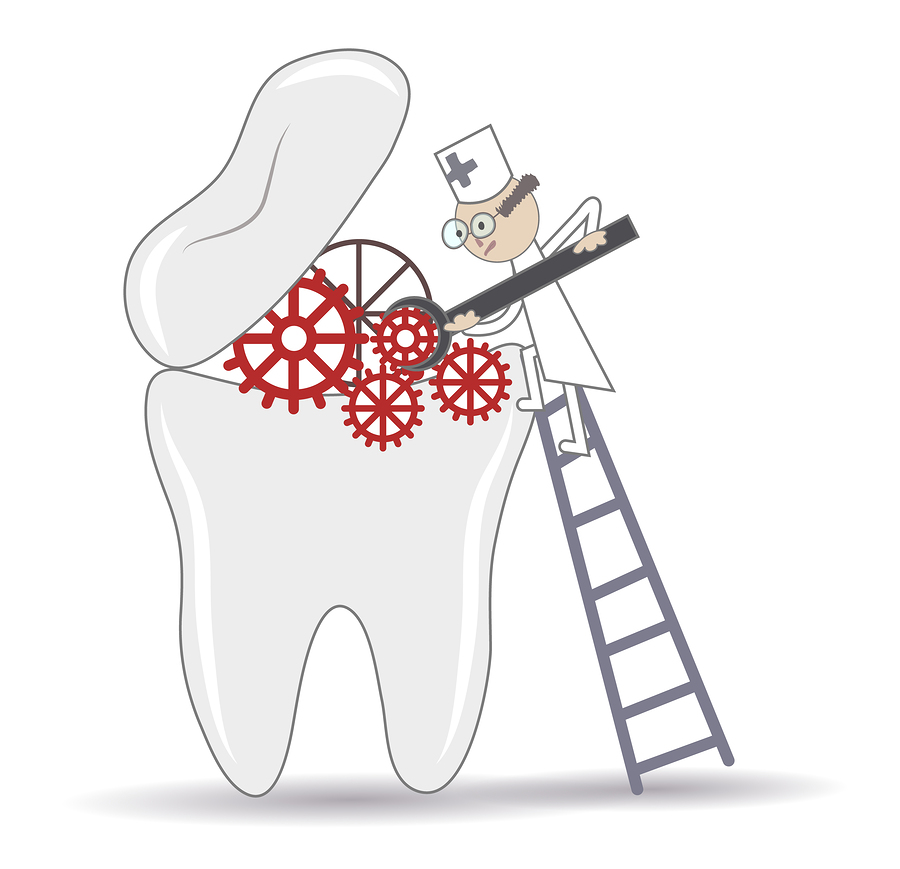 During a root canal, the innermost part of the tooth is removed, cleaned, and filled. Finally, a crown will be set in place to finish it off and create a strong new tooth. The procedure typically takes anywhere from 45 minutes to two hours total, depending on how badly the tooth is damaged and how much repair must be done. Your endodontist will take great care to make sure you don’t feel any discomfort while the procedure is taking place and to help you with any anxiety you might have.
According to Dr. Jacqueline Allen, when asking patients about their pain level on a scale of one to ten, the majority of patients would report a pain level of “three, after 48 hours, all teeth treated with a root canal should be completely pain free between 5 to 7 days after the procedure.” She goes on to note that “Some patients come to us with acute discomfort due to infection (waiting too long), in that case the healing process may take a little longer.”
After your root canal is complete, any pain that you do feel can be treated with the use of ibuprofen taken consistently for the first couple of days. For patients with more complicated cases and have higher pain levels, “prescription for a pain reliever can be prescribed to break the cycle of pain.” Dr. Allen also mentions a drug-free way of handling post-procedure pain: “A cold compress 15 minutes on and 15 minutes off will help ease swelling and discomfort.”
Most patients find the mild discomfort of a root canal to be very temporary, and are so pleased with the result that they soon forget about any brief moments of discomfort they may have felt. With Dr. Allen of Phoenix Endodontic Group helping you, all you’ll notice is your beautifully restored and pain-free tooth!

by Dr. Jacqueline S. Allen | Mar 10, 2014 | Blog, Endodontics, Root Canal
You may have heard of a root canal, but what do you know about the procedure? The purpose of Root Canal Awareness Week (March 30 – April 5, 2014) is to dispel the myths and mysteries surrounding this endodontic tool. Here’s what you should know about the process.
Let’s first understand a tooth’s structure, the crowns of the teeth are the part you use to chew, eat, and flash your sparkling smile. The crowns are covered by an enamel surface that must withstand the torture of hard candy, hot coffee, and cheeseburgers. Within the tooth is a soft material known as pulp where nerves, tissues, and blood vessels reside. Finally, the root is the part that extends towards your jawbone and is covered by your gums.
The tooth’s root or pulp can be damaged by many things. A small chip or crack in the enamel may allow bacteria to invade and destroy the tooth from within. Trauma from an accident is another common way the tooth can be destroyed. Decades ago, many people would lose teeth from these incidents. With today’s endodontic technology, most of those patients can now keep those troubled teeth after an expert root canal.
During the procedure, the area would be numbed so that you will not feel pain. The infected pulp is removed and the interior of the tooth is thoroughly cleaned, then filled and finally sealed. The result is a wonderful new tooth that looks and feels great. Dr. Jacqueline S. Allen of Phoenix Endodontic Group says “Brushing, flossing and regular dental checkups will help keep a patient’s mouth healthy after a root canal. Preventing decay is the key to having a root canal last a long time. Avoiding situations which put a tooth at risk for breaking will help also, i.e. chewing ice, sports injuries, etc.”
Most patients report minimal pain as a result of a root canal, comparing it to getting a filling. To reduce your risk of needing a root canal for an issue not related to trauma, “Brushing, flossing, fluoride, and regular dental checkups are effective,” says Dr. Allen.
by Dr. Jacqueline S. Allen | Mar 3, 2014 | Blog, Dentistry, Endodontics
Dental emergencies are no laughing matter. They can be painful and unpleasant to deal with, especially when you are talking about broken or chipped teeth. Why should you worry about a cracked tooth and what should you do if you experience one?
 Fractured teeth aren’t just a cosmetic issue, though they can certainly make you self conscious if the chip is in a spot that shows when you talk or smile. Depending on the type of break, you may suffer damage to your tongue or interior cheek due to sharp edges, sensitivity to hot or cold foods, pain when biting or chewing, loss of the tooth, and infection if the crack is left unattended.
Dr. Jacqueline S. Allen of Phoenix Endodontic Group treats many dental emergencies at her practice. “Younger people (those under 25) are more subject to dental trauma from sports or activities,” says Dr. Allen, going on to state that “any age can have dental trauma from car accidents, falling, etc. In general the elderly are more likely to have biting incidents that damage teeth.” You may also experience superficial cracks in your tooth enamel as you age, which are generally just cosmetic in nature but may still be bothersome.
You may not be able to prevent all tooth breaks from occurring, but you can lessen your chances for chipped or fractured teeth by using protective mouth guards during sporting events and being vigilant about your twice-yearly dentist appointment. Your endodontic specialist can monitor your dental health and fix minor cracks before they become a big problem.
Regardless of the cause, if you do suffer a chip or break, get to a dental or endodontic specialist right away. Bring along any pieces that may have broken off from the tooth. Some breaks may be repaired with a crown, others may require a root canal, and some may need to be extracted completely.
By seeking treatment following dental emergencies, the more likely it is that Phoenix Endodontic Group can save the tooth or use less extensive measures in its repair.

by Dr. Jacqueline S. Allen | Feb 24, 2014 | Blog, Dentistry, Endodontics
Patients come to Phoenix Endodontic Group for many reasons, one of which is tooth pain. Tooth pain can be dull and throbbing or sharp and severe, either of which having various causes. The good news is that some of these triggers are controllable and the effects can be very treatable.
Do you experience pain after eating or drinking something hot or cold? This type of sensitivity is fairly common and can be caused by the wrong toothpaste or hard brushing, tiny cracks in the enamel of your teeth, or erosion of your tooth enamel. The solution may be twofold: The first component is a special type of toothpaste designed to reduce tooth sensitivity and strengthen your enamel. In addition, work with your doctor to switch to a diet containing less acidic foods. Eliminating or reducing troublemakers like soda, certain fruits, and sauces will help minimize further erosion and reduce sensitivity problems.
Tooth pain can also come from infections or abscesses, both of which are rather dangerous situations that can lead to not only tooth loss but also serious medical problems if not treated properly. Trauma like a broken or chipped tooth, and also a decaying tooth that you may not even be aware of can allow bacteria to infiltrate the tooth’s enamel and travel into the gums, and beyond into the bloodstream. There are many reasons to “ensure you have regular dental checkups (every six months) and avoid using teeth as scissors!” says Dr. Jacqueline S. Allen, from her Phoenix Endodontic practice.
Applying a little common sense will help you avoid the dental injuries and problems that are likely to result in pain. If you are an athlete, wear protective mouth guards during sporting activities, especially if they involve contact or flying objects. Make a great habit of brushing and flossing properly, and don’t miss your twice-yearly dental appointments. See your endodontic specialist regularly for preventive maintenance, and immediately if you have a problem. Phoenix Endodontic Group can help you keep your mouth healthy and happy, but you’ve got to make the first call!
