
by Dr. Jacqueline S. Allen | Mar 25, 2019 | Blog, Dental Implants, Phoenix Endodontic Group
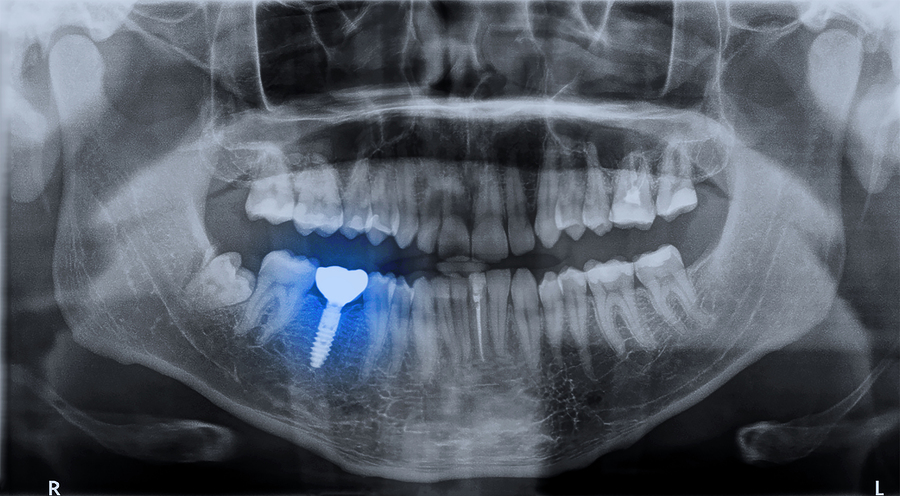
When teeth are injured, infected, or structurally damaged, it can be challenging to determine the best path back to oral health. Sometimes endodontists can save natural teeth with root canals. When teeth are beyond saving, dental implants are an option. Implants are safe, remain securely in your mouth 24/7, and help prevent further jawbone loss. Properly cared for dental implants can last many years.

What The Research Says About Dental Implant Longevity
- Dental implants have been used reliably for more than 50 years. Implants are recognized as more effective than many types of bridgework.
- Root canal treatments and dental implants have similar levels of durability. Both restorations have a success rate of about 95 percent over post-implant periods as long as 16 years.
- Pre-implant oral health and post-implant oral care impact dental implant longevity. The best candidates for implants have healthy gums and enough jawbone density for support. Heavy smokers or patients with systemic conditions like diabetes must be evaluated for implants on a case-by-case basis. Following dental implant surgery, caring for the implant like a natural tooth is critical to ensuring its long-term endurance.
- Teeth grinding threatens dental implant success. The forces involved in grinding (bruxism) can damage the implant. Patients with bruxism who use a night guard or take other steps to control their teeth grinding can expect a better success rate.
“The choice to get dental implants should rest on the health of the teeth in question, the health of the patient, and their commitment to post-procedure upkeep,” says Dr. Jacqueline S. Allen, who practices with the Phoenix Endodontic Group. “Like root canals, the procedure has a high success rate under the right conditions.”
by Dr. Jacqueline S. Allen | Feb 18, 2019 | Blog, Endodontist, Root Canal
For many years, root canals were portrayed in popular culture as uncomfortable, complicated dental treatments. Advancements in technology and technique have enabled endodontic specialists to streamline the root canal process and reduce discomfort during and after the procedure.
How Long Will My Root Canal Take?
Most root canals can be completed in one or two appointments with the endodontist. The steps involved in performing the root canal include:
- The endodontist examines your tooth and makes a radiograph of it using X-rays.
- The area around the tooth to be treated receives a local anesthetic.
- A rubber dental dam is placed around the tooth to keep it clean and saliva-free.
- The endodontist accesses the roots of your tooth by making an opening in the crown.
- The tooth root canals are cleaned using special instruments.
- After the cleaning, the pulp in the canals is replaced with a biocompatible material.
- A temporary filling is placed on top of the canals near the top of the tooth.
There are several important things to note about the general timeline for your root canal.
- You will need to visit your general dentist for an additional appointment to have a permanent crown placed over the root canal.
- The endodontist may need additional time if they need to place a post in the tooth to shore up its structure during the root canal.
- The root canal may need to be retreated later if there is an undetected crack in the tooth, or if a canal is missed during the initial cleaning procedure.
“Root canals are cost-effective treatments for injured or infected teeth, and the time commitment needed to have one is minimal,” says Dr. Allen, who practices with the Phoenix Endodontic Group. “If you have questions about how long your root canal might take, please contact our office.”
by Dr. Jacqueline S. Allen | Jan 23, 2019 | Blog, Dental Implants, Endodontist
When an injured or infected tooth cannot be saved, it’s natural to want to rush toward the next treatment step. If your choice to treat your failing tooth is a dental implant, your first question may be how long you have to wait after the extraction to get your dental implant. Just as every person’s mouth is unique, the timeline for their dental implant will be individualized. Several factors determine the length of time between extraction and implantation.
What Can Impact Your Dental Implant Timeline?
- Number of teeth extracted. If one or two teeth are being extracted, it may be possible to proceed to an implant more quickly than if an entire arch of teeth are being removed.
- The health of your gums. If you have periodontal disease in addition to your compromised natural tooth, your dentist will want to improve the health of your gums before your implant.
- Whether you will need a bone graft to strengthen your jaw. If you have experienced bone loss in your jaw, you will likely need a bone graft to ensure the implant will be successful.
- The method of implantation your dentist has chosen. Extraction and implantation can be done the same day, but this requires a great deal of pre-planning and coordination between your dental professionals, as well specific criteria for your oral health. If a bone graft is needed, the implantation may need to allow for a healing period.
- How quickly the implant bonds to your jaw bone. Once your jaw is strong enough to accept a dental implant, the implant post will be placed. The process of osseointegration (the bone integrating with the implant) is what secures the implant and allows your new tooth to have a solid foundation.
“Dental implants have a high success rate, but only if the treatment is delivered in a way that meets the individual’s oral health needs,” says Dr. Jacqueline S. Allen, who practices with the Phoenix Endodontic Group. “If you have questions about how your procedure will unfold, ask your provider for a comprehensive explanation.”
by Dr. Jacqueline S. Allen | Dec 26, 2018 | Blog, Endodontics, Root Canal
By the time your endodontist says you need a root canal, you may not care about the details of the procedure – you may simply want the pain in your mouth to stop. However, understanding what happens when a root canal is performed can lead to a better outcome.
Root Canals, Step By Step
- Your dentist or endodontist determines a root canal is needed. Root canals may be performed if your tooth pulp has become infected due to decay, a cracked tooth, or other reasons. You may have symptoms such as a severe toothache, long-lasting sensitivity to hot or cold (long after the stimulus is removed), discoloration of the tooth, pain in the gums surrounding the tooth, or a reoccurring pimple on the gums near the tooth.
- The tooth is X-rayed and the gums surrounding it are numbed. As part of the procedure, your endodontist will also place a dental dam around the tooth to protect it from saliva.
- A small hole is drilled in the crown of the tooth. This allows the endodontist to access the infected tooth pulp and/or the abcess.
- Your endodontist uses specialized tools to clean your tooth roots. These small tools do an important job: removing all infected pulp. They can also be used to shape the canals, preparing them for the next step.
- The cleaned root canals are filled with a special material to prevent additional infection. Most of the time, the biocompatible material used is a rubber-like compound called gutta-percha. An adhesive material ensures the canal is completely sealed.
- If the affected tooth has weak internal structure, a post may be added to strengthen it. This ensures the restoration will remain in place permanently.
- A temporary filling is placed on the tooth. This protects the root canal until your follow-up visit.
- Several weeks later, a permanent crown is placed on the tooth. This last step is crucial, providing durable protection for the root canal treatment.
“Each step in the root canal process serves an important function,” says Allen, an endodontist in practice with the Phoenix Endodontic Group. “Our staff is happy to explain what you will experience during a root canal, and respond to any concerns you may have.”
by Dr. Jacqueline S. Allen | Nov 28, 2018 | Blog, Dental Implants, Dentistry, Endodontist, Phoenix Endodontic Group
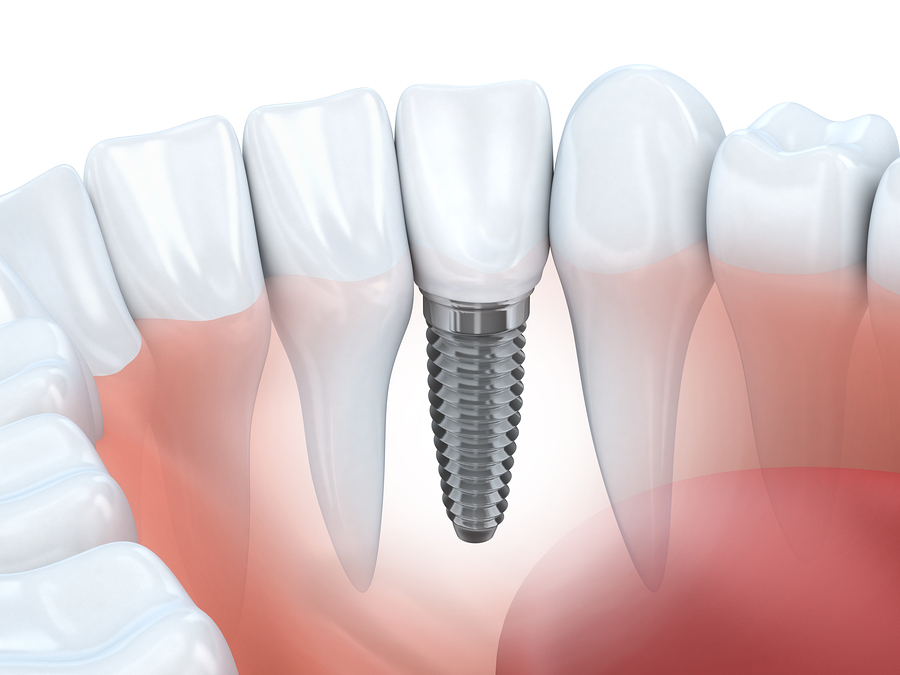
Dental patients with teeth that are seriously compromised by illness, injury, or decay are usually aware that extraction by itself is rarely the best option. If you are experiencing serious tooth trouble, you may be wondering whether a root canal or a dental implant would be the better solution.
At Phoenix Endodontic Group, our practice is dedicated to saving natural teeth through root canal treatments and related procedures. However, there are times when a tooth simply cannot be saved through endodontic treatment. When that is the case, our practice may recommend a dental implant for the patient.
Who Is A Good Candidate For A Dental Implant?
- A patient who has a lower level of dental anxiety or phobia. Tooth extraction and implant surgery are more complex procedures than root canal treatment. If anxiety issues do exist, they should be discussed during preparation for the implant. We can develop a care plan for patients experiencing dental anxiety.
- A patient with strong periodontal (gum) health. By the time the “root canal or dental implant” crossroads has been reached, many patients already are struggling with advanced gum disease, but the healthier the gums are, the greater the likelihood the procedure will go smoothly.
- A patient who has not experienced significant bone loss in the jaw. Bone grafts can be done to strengthen a jaw before it receives an implant, but this may result in an additional procedure.
- A patient who can commit to a lengthy implantation/recovery process. Traditional dental implants require several months to complete. The portion of the implant inserted into the jaw must be allowed to integrate with the bone before placement of an artificial tooth is possible.
“Dental implants and root canals both have high levels of success and patient satisfaction,” says Dr. Jacqueline S. Allen, an endodontist who practices with the Phoenix Endodontic Group. “Your dental team can determine which treatment route is better for your individual circumstances.”

by Dr. Jacqueline S. Allen | Oct 22, 2018 | Blog, Endodontics, Endodontist, Phoenix Endodontic Group, Root Canal
Your experience after a root canal may be as unique as the circumstances that led to your need for the procedure. After your root canal, your endodontist will likely send you home with instructions for how to care for your teeth until a permanent crown can be placed. These instructions might cover pain management, brushing and flossing, and tips for retaining your temporary crown.
One of the post-procedural questions that may be at the top of your mind is when you can go back to work. The simple answer is usually, “the day after your procedure.” However, several factors can influence this time estimate.
3 Post-Root Canal Questions To Answer Before You Return To Work
- How much post-procedure pain are you experiencing? You may experience discomfort after the root canal, but often it can be managed with over-the-counter painkillers. Serious pain can indicate that you may need to follow up with your endodontist.
- Is your temporary crown still in place? You will need to have the crown replaced if it falls out.
- Does your work situation allow you to control what you eat? You’ll want to eat soft, cool, bland foods and chew on the side of the mouth opposite the root canal.
“Most adults can go back to work within a day of their root canal,” says Dr. Allen an endodontist who practices with the Phoenix Endodontic Group, “However, it’s crucial not to rush that return so much that you miss a symptom your endodontist needs to know about.”
