by Dr. Jacqueline S. Allen | Sep 20, 2019 | Blog, Endodontics, Endodontist, Root Canal
Millions of root canals are performed successfully each year. However, concern persists in some circles that instead of relieving a health problem – an infected or injured tooth – root canals cause illness. While there is no evidence to support this idea, rumors of the “dangers of root canal therapy” continue.
The American Association of Endodontists and other dental professionals are frequently asked by patients about the safety of root canals. Practitioners are happy to explain the root canal process and why root canals are the treatment of choice for preserving your natural teeth.
Root Canals And Health Problems: The Facts
- The primary research cited linking root canals to health problems is nearly a century old. Weston Price hypothesized in the early 1900s that bacteria trapped in a tooth treated by root canal caused diseases ranging from arthritis to heart disease. Needless to say, research methods and theories of disease causation were less advanced then; even studies conducted as early as the 1930s and 1940s indicated that there was no relationship between having a root canal and contracting a disease.
- Current research findings reinforce that root canals neither cause nor are correlated with other health challenges. In fact, a 2013 study in a publication by the American Medical Association noted that not only did root canals not cause cancer of any type, patients who had undergone multiple endodontic treatments had a 45 percent reduction in their cancer risk.
- Modern root canal treatment is safe and effective. With success rates of more than 90 percent, root canals have become reliable procedures for saving natural teeth. Digital imaging tools, advances in canal cleaning instruments, and the emergence of powerful disinfectants have all contributed to the ability of endodontists to save even seriously compromised natural teeth.
“There is a huge body of evidence demonstrating root canals are not associated with other health problems,” says Dr. Allen, who practices with the Phoenix Endodontic Group. “Your peace of mind is a top concern to us, of course, and we are happy to discuss why root canals are the best option for most people to save their natural teeth.”

by Dr. Jacqueline S. Allen | Aug 19, 2019 | Blog, Dental Implants, Dentistry, Endodontics, Endodontist
Risk management is a key part of our everyday lives. When it comes to managing dental health, patients want to be sure that a recommended procedure is safe as well as effective. In the past couple of decades, dental implants have become a popular option for replacing missing or failing teeth. Many people, though, question whether implants are the best choice for their oral health challenges.
While dental implants are not the right choice for every individual, they are in many cases a safe, effective restoration. Their record for safety extends beyond the immediate period after the implantation and has been well-documented for patients with a variety of oral health situations.

Factors That Make Dental Implants A Safe Choice
- Dental implants are unlikely to impact the rest of your mouth. When only one or a few teeth are failing, fixed bridges may be suggested as an alternative to an implant. However, unlike a bridge, dental implants do not require the adjacent natural teeth to be altered. Implants are impervious to tooth decay. They are also unlikely to cause gum disease if a patient follows a normal daily oral health care regimen.
- Dental implants have proven to be safe for most adults who can undergo an extraction or other oral surgical procedures. Two key factors in determining if dental implant surgery is appropriate are gum health and the amount of bone density in the jaw. If a candidate for dental implants has healthy gums, has adequate bone density, and lacks any serious underlying systemic health condition, the implant procedure is usually considered safe.
- Dental implants, like root canals, have a very high long-term success rate. Longitudinal studies have shown that dental implants have a success rate of around 98 percent. What this means is that if you take care of your dental implant properly, it could last for decades, if not the rest of your life.
“When evaluating a patient to receive a dental implant, our practice considers many factors. When the circumstances are right, implants are a safe choice to replace missing or failing teeth,” says Dr. Jacqueline S. Allen, an endodontist practicing at the Phoenix Endodontic Group.
by Dr. Jacqueline S. Allen | May 28, 2019 | Blog, Endodontics, Endodontist, Phoenix Endodontic Group, Root Canal
Determining whether you need a root canal or another type of dental treatment is usually handled by your general dentist or endodontist. You can avoid many complications by knowing the signs and symptoms indicating a root canal may be needed, and making an appointment to have your tooth examined.
Signs You May Need A Root Canal

Root canals are often the treatment of choice when a tooth has become injured or infected at a level impacting your dental pulp – the part of your tooth beneath the enamel and dentin layers, made up of blood vessels, nerves, and connective tissue.
There are many ways this part of the tooth can be injured:
- A chip or crack in the tooth lets bacteria into the pulp, causing infection
- Severe, untreated tooth decay or cavities
- Trauma to the face resulting in damage to your tooth’s structure
Sometimes teeth needing root canals show few symptoms and require diagnosis through careful examination by a dental professional using radiographs or other imaging techniques. It’s often apparent, though, when something is wrong with your tooth. Some of the symptoms that may call for a root canal include:
- A severe toothache that gets worse when you chew or apply pressure near the tooth
- Swelling and tenderness of the gums near the tooth
- Discoloration (usually darkening) of the tooth
- The tooth is sensitive to hot or cold temperatures, and discomfort remains after the source of the temperature change is gone
- A pimple on the gums that persists or keeps reappearing
If you experience any of these symptoms, call your general dentist or endodontist immediately.
“Recognizing the signs of damaged or infected teeth can save patients extra discomfort and ensure their root canal treatment begins early,” says Dr. Allen, an endodontist who practices with the Phoenix Endodontic Group.
by Dr. Jacqueline S. Allen | Feb 18, 2019 | Blog, Endodontist, Root Canal
For many years, root canals were portrayed in popular culture as uncomfortable, complicated dental treatments. Advancements in technology and technique have enabled endodontic specialists to streamline the root canal process and reduce discomfort during and after the procedure.
How Long Will My Root Canal Take?
Most root canals can be completed in one or two appointments with the endodontist. The steps involved in performing the root canal include:
- The endodontist examines your tooth and makes a radiograph of it using X-rays.
- The area around the tooth to be treated receives a local anesthetic.
- A rubber dental dam is placed around the tooth to keep it clean and saliva-free.
- The endodontist accesses the roots of your tooth by making an opening in the crown.
- The tooth root canals are cleaned using special instruments.
- After the cleaning, the pulp in the canals is replaced with a biocompatible material.
- A temporary filling is placed on top of the canals near the top of the tooth.
There are several important things to note about the general timeline for your root canal.
- You will need to visit your general dentist for an additional appointment to have a permanent crown placed over the root canal.
- The endodontist may need additional time if they need to place a post in the tooth to shore up its structure during the root canal.
- The root canal may need to be retreated later if there is an undetected crack in the tooth, or if a canal is missed during the initial cleaning procedure.
“Root canals are cost-effective treatments for injured or infected teeth, and the time commitment needed to have one is minimal,” says Dr. Allen, who practices with the Phoenix Endodontic Group. “If you have questions about how long your root canal might take, please contact our office.”
by Dr. Jacqueline S. Allen | Jan 23, 2019 | Blog, Dental Implants, Endodontist
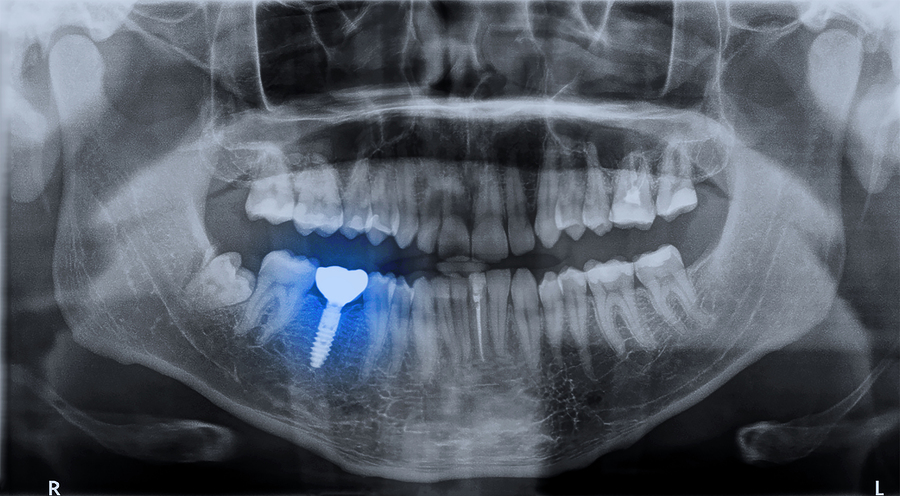
When an injured or infected tooth cannot be saved, it’s natural to want to rush toward the next treatment step. If your choice to treat your failing tooth is a dental implant, your first question may be how long you have to wait after the extraction to get your dental implant. Just as every person’s mouth is unique, the timeline for their dental implant will be individualized. Several factors determine the length of time between extraction and implantation.
What Can Impact Your Dental Implant Timeline?
- Number of teeth extracted. If one or two teeth are being extracted, it may be possible to proceed to an implant more quickly than if an entire arch of teeth are being removed.
- The health of your gums. If you have periodontal disease in addition to your compromised natural tooth, your dentist will want to improve the health of your gums before your implant.
- Whether you will need a bone graft to strengthen your jaw. If you have experienced bone loss in your jaw, you will likely need a bone graft to ensure the implant will be successful.
- The method of implantation your dentist has chosen. Extraction and implantation can be done the same day, but this requires a great deal of pre-planning and coordination between your dental professionals, as well specific criteria for your oral health. If a bone graft is needed, the implantation may need to allow for a healing period.
- How quickly the implant bonds to your jaw bone. Once your jaw is strong enough to accept a dental implant, the implant post will be placed. The process of osseointegration (the bone integrating with the implant) is what secures the implant and allows your new tooth to have a solid foundation.
“Dental implants have a high success rate, but only if the treatment is delivered in a way that meets the individual’s oral health needs,” says Dr. Jacqueline S. Allen, who practices with the Phoenix Endodontic Group. “If you have questions about how your procedure will unfold, ask your provider for a comprehensive explanation.”
by Dr. Jacqueline S. Allen | Nov 28, 2018 | Blog, Dental Implants, Dentistry, Endodontist, Phoenix Endodontic Group
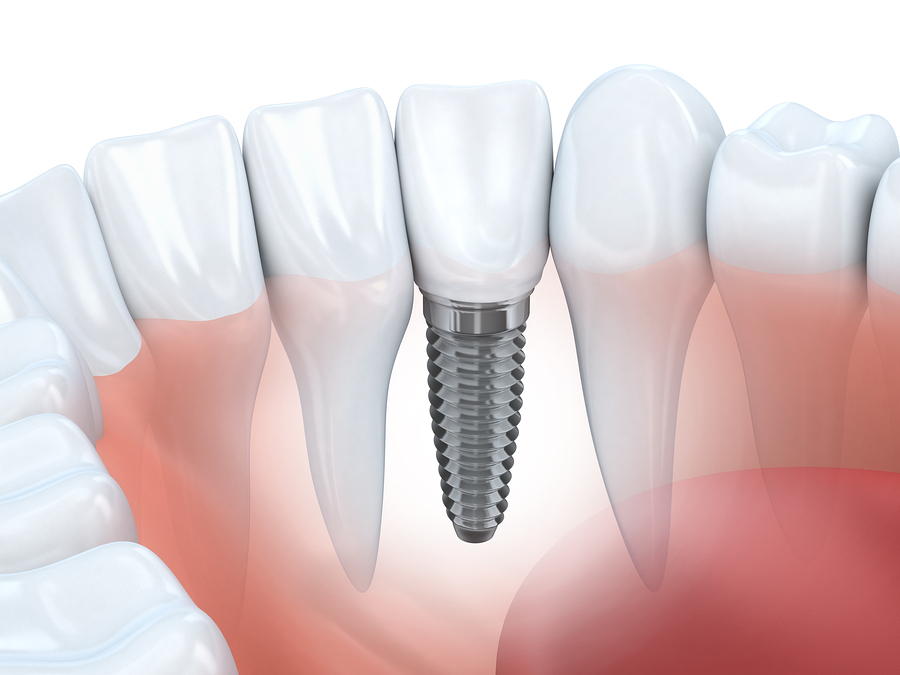
Dental patients with teeth that are seriously compromised by illness, injury, or decay are usually aware that extraction by itself is rarely the best option. If you are experiencing serious tooth trouble, you may be wondering whether a root canal or a dental implant would be the better solution.
At Phoenix Endodontic Group, our practice is dedicated to saving natural teeth through root canal treatments and related procedures. However, there are times when a tooth simply cannot be saved through endodontic treatment. When that is the case, our practice may recommend a dental implant for the patient.
Who Is A Good Candidate For A Dental Implant?
- A patient who has a lower level of dental anxiety or phobia. Tooth extraction and implant surgery are more complex procedures than root canal treatment. If anxiety issues do exist, they should be discussed during preparation for the implant. We can develop a care plan for patients experiencing dental anxiety.
- A patient with strong periodontal (gum) health. By the time the “root canal or dental implant” crossroads has been reached, many patients already are struggling with advanced gum disease, but the healthier the gums are, the greater the likelihood the procedure will go smoothly.
- A patient who has not experienced significant bone loss in the jaw. Bone grafts can be done to strengthen a jaw before it receives an implant, but this may result in an additional procedure.
- A patient who can commit to a lengthy implantation/recovery process. Traditional dental implants require several months to complete. The portion of the implant inserted into the jaw must be allowed to integrate with the bone before placement of an artificial tooth is possible.
“Dental implants and root canals both have high levels of success and patient satisfaction,” says Dr. Jacqueline S. Allen, an endodontist who practices with the Phoenix Endodontic Group. “Your dental team can determine which treatment route is better for your individual circumstances.”
