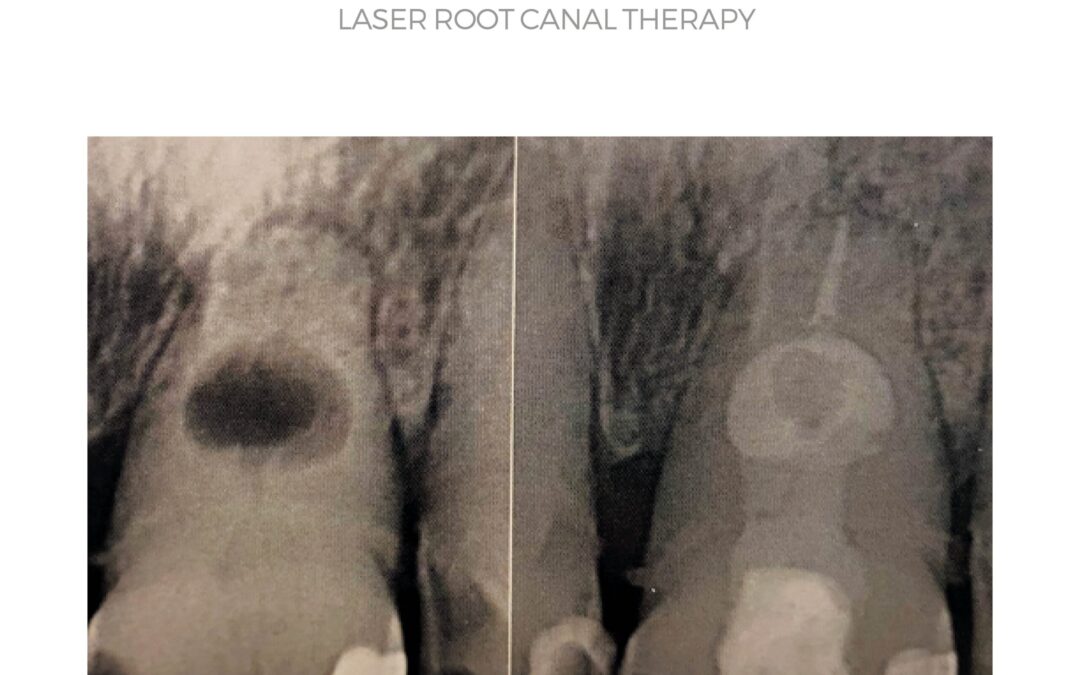
Popular culture often associates lasers with science-fiction weapons or real-life space exploration, but the technology can also be used inside the human body. At the Phoenix Endodontic Group, our endodontists frequently use laser-based tools to assist in root canal treatments.
The practice uses laser technology manufactured by Fontana (SSP and SWEEPS®) and Biolase (Waterlase) at its Phoenix office location. Both brands of tools provide extra assistance in the critical phases of cleaning and disinfecting tooth roots during a root canal treatment.
Lasers Bring Benefits During A Root Canal Treatment
The laser can provide initial cleaning in the coronal (crown) area of the tooth. An endodontist will begin a root canal by creating an opening in the crown. The laser can be used in this area of the tooth to remove calcifications and biological debris.
The laser can assist cleaning of the root canals. After a canal has been prepared using files or other tools, the endodontist may flood the canal with water and activate the laser while withdrawing the water from the space. The laser creates vapor bubbles, which collapse to form microbubbles and a pressure wave; these phenomena are what clean biofilm from the canals.
Laser treatment can also help disinfect the canals as they are being irrigated. Once the endodontist shapes the canals with their files, they will irrigate them with disinfecting liquids. Lasers can be used at this point to augment the disinfection process, with the pressure wave created by the vapor bubbles pushing the disinfectant deep into the canal recesses and generally making the process more effective than the traditional disinfecting step by itself.
Finally, lasers can be used to remove the chemical disinfectants prior to filling the canals. After the canals have been cleansed, shaped and disinfected, the laser tool can be used to remove the disinfecting liquid in the canals by activating it for about 30 seconds to vaporize any remaining liquid.
According to Dr. Jacqueline S. Allen, who practices at the Phoenix Endodontic Group, “One significant advantage to using lasers during root canals is that they can provide a more thorough removal of bacteria, debris and other materials without the risk of apical (tooth root area) extrusion.” She continues, “We are happy to explain to patients how we use Fontana and Biolase laser technology to enhance the safety and effectiveness of their root canal treatments.”
General dentists frequently work with endodontists on procedures, such as root canal treatments, designed to save natural teeth. Dentists often develop strong referral relationships with endodontists and may also place the crown that completes the root canal treatment. One topic, however, on which there is not general consensus between dentists and endodontists concerns the use of rubber dental dams during root canals.
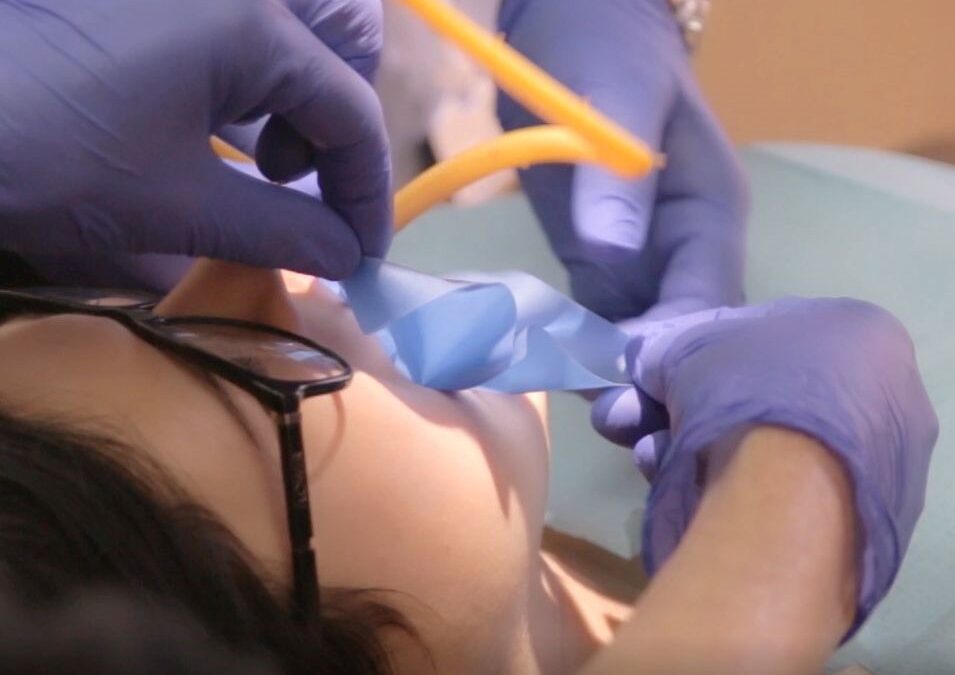
A dental dam is a small sheet of latex or non-latex material that can have a hole punched in it so that the tooth a practitioner wants to work on is physically separated by the dam from the rest of a patient’s mouth. A 2015 survey revealed that only 47 percent of general dentists from a variety of backgrounds reported always using dental dams during root canals. In contrast, the American Association of Endodontists reaffirmed a position statement in 2017 asserting, “Tooth isolation using the dental dam is the standard of care; it is integral and essential for any nonsurgical endodontic treatment.”
Why are dental dams considered critical to endodontic care? Let’s look at the advantages when rubber dams are used during root canals and related procedures.
Why Endodontists Use A Rubber Dam During A Root Canal
It isolates the tooth being worked on from bacteria in your saliva. This is important for maintaining a sterile environment for the tooth.
It prevents water, debris, or anything else from going down your throat. This protects a patient from ingesting contaminants, fillers, or even cleaning tools used during a root canal.
It keeps the treatment area dry. This allows many types of dental materials to bond properly.
It can protect the gag reflex area, and create a feeling of separation of the rest of your body from the treatment area. These last two advantages can be especially important for clients who need a root canal but suffer from dental phobia.
“We use rubber dental dams in our practice during root canals to ensure we meet the highest standards of safety and quality,” says Dr. Jacqueline Allen, who practices with the Phoenix Endodontic Group. “Our endodontists are happy to explain their advantages. We also can answer questions about the use of dental dams or any other aspect of a root canal if you have any anxiety or concerns.”
Although advancements in technology and microsurgical techniques have made root canals more comfortable and less stressful, the procedure still requires significant investment of time, money, and care. Root canals aren’t inevitable, though – you can reduce your risk of needing one with targeted, proactive self-care.
The tips below can help you prevent a root canal. They focus on managing your risk of falling prey to the three major causes of root canals: tooth decay, infection, and injury. By diligently following these tips, you can greatly lower your chance of needing a root canal, or developing serious oral health problems.
Keeping Teeth Strong And Healthy: 5 Tips For Avoiding A Root Canal
Brush your teeth twice a day. A twice-daily toothbrushing routine is the first line of defense against tooth decay, a major contributor to the type of dental pulp infections that require a root canal to resolve. Use an American Dental Association (ADA) approved fluoride toothpaste on a soft-bristled toothbrush.
Floss your teeth once a day. This will amplify the effectiveness of brushing your teeth. Flossing cleans the 40 percent of tooth surfaces that cannot be reached by brushing.
Strengthen your teeth with calcium-rich foods. Dairy products such as milk, yogurt, and cheese provide calcium to protect and build tooth enamel. You can also get calcium by eating green leafy vegetables, including bok choy, Brussels sprouts, and kale.
Use care when you bite down. This tip applies any time you apply force with your teeth. Be careful eating foods like nuts or peanut brittle or hard pretzels. And if you use your “teeth as tools” to rip, tear, or clamp down on things – stop it!
Wear a mouthguard for sports or workouts. Use a mouthguard when playing ANY sport where a collision or fall is possible. Mouthguards should also be worn during fitness activities such as rock climbing, hiking, or even cycling. To best avoid dental injury that could lead to a root canal, get your mouthguard professionally fitted.
“Chances of needing a root canal can be minimized with proper planning and the right habits,” says Dr. Allen an endodontist at Phoenix Endodontic Group. “Visit your dentist for regular checkups and cleanings, and always let them know if you experience any discomfort or symptoms indicating you need a root canal.”
Now is the time to join a fast growing organization located in Central Phoenix Arizona. You will have opportunities to learn new skills from our team of experienced professionals. Our practice has invested in the latest clinical technology to provide patients with the best endodontic care found anywhere. We utilize CBCT, surgical microscopes, TDO Software, Biolase & Fotona dental lasers, digital scanners, etc.
Are you coming to Phoenix in April for AAE 2022? Call us today so we can schedule a time to meet you. If you’re ready to take your career to the next level and gain valuable experience,
don’t miss this opportunity.
Overview:
You’ve invested the time to become a great endodontist, now let us help you take your career further with more opportunity, experience leadership and one of the best tried and true practice models today. We call it – “high tech – high touch”. As an endodontist working in an office supported by Our Team, you can rely on steady referrals (20 years in practice) as you will be providing patients of our referring (dentist) partners with high quality, efficient endodontic care. You will have the ability to provide your patients the care they deserve and provide you with the opportunity to earn excellent income and have a balanced lifestyle without the worries of running a practice.
If you are interested in joining a respected endodontic practice with 20 years of experience. Submit your resume today! Email: kevin@drallenendo.com
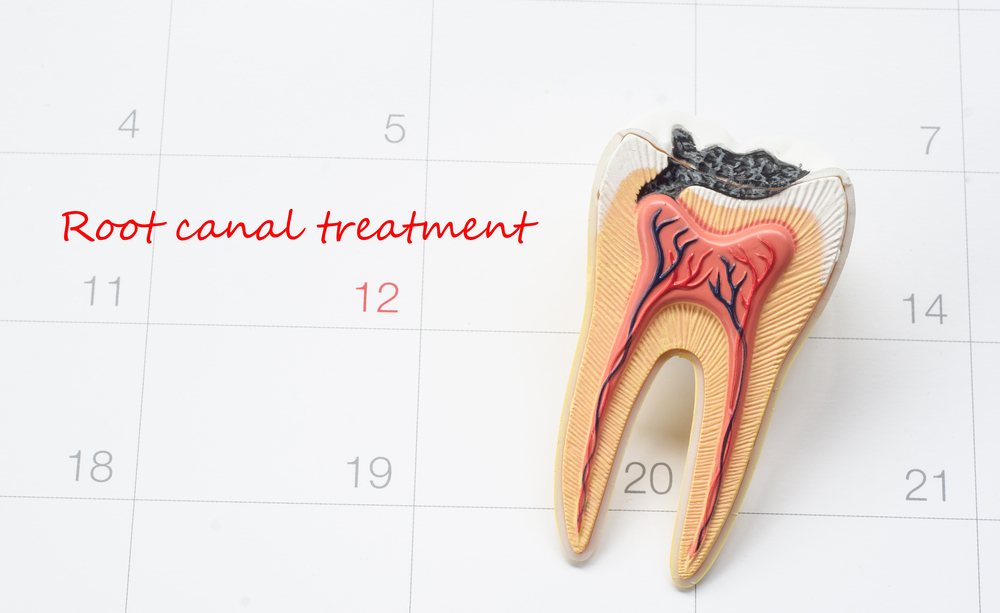
The benefits of a root canal treatment when you have a tooth that is infected or injured are significant. First and foremost, you keep your tooth. Root canals also effectively reduce tooth pain, decrease the chance that serious dental infection will spread to adjacent teeth, and prevent the loss of bone density in the jaw, a common after-effect of tooth loss.
With all these advantages, the longer a root canal treatment can contribute to preserving a natural tooth, the better. The lifespan of a root canal treatment can vary considerably, depending on the circumstances. Here are several important factors that can play a role in how long your root canal treatment may last.
Factors Impacting Root Canal Success
Which tooth needs the root canal? The position of the compromised natural tooth will influence how complex the root canal procedure will be. Front teeth typically have only a single tooth root. Your molars, on the other hand, have two or even three root canals to be cleaned and filled, and will require a crown to protect the natural tooth afterward.
How bad is the damage to the tooth? Severe tooth decay or a crack or chip in a tooth can lead to inflammation or infection so bad that an abscess forms. If the outer structure of the tooth is still intact, there is a better chance that a root canal will last longer.
Who will perform the root canal? Endodontists are specialists in saving natural teeth. Surveys indicate that endodontists perform, on average, 25 root canals a week; general dentists average far fewer. One study found that 98 percent of root canals done by endodontists are successful, along with 90 percent done by general practitioners.
Will additional treatment be needed? The overall health of the tooth impacts whether a root canal is the best treatment. If the structure of the tooth itself is weak, a post and core procedure may be performed after the root canal to help anchor the crown and hold the natural tooth together.
Are you motivated to take care of your natural teeth? Patient involvement in the root canal process is critical to ensuring its long-term success. Contact your practitioner if you have unusual postoperative pain or if your temporary crown falls out; get the crown for the treated tooth promptly; and contact your dentist or endodontist if you have symptoms indicating tooth root infection at any point.
Dr. Allen, who practices with the Phoenix Endodontic Group, says, “Root canals can preserve natural teeth for years or even decades – and for some, they can last a lifetime. Our practice can instruct you in all the ways you can ensure your root-canal treated tooth stays healthy for as long as possible.”
Safe, thorough & effective laser root canal treatment is now available at Phoenix Endodontic Group. SWEEPS® is an advanced method for cleaning the root canal system. Our state-of-the-art Fotona LightWalker® laser generates precise waves of energy to thoroughly clean the complex root canal system that traditional methods can sometimes miss.
SWEEPS® promises to represent an entirely new way of thinking about root canal therapy. With SWEEPS®, patients receive fast, safe, and effective root canal treatments.
SWEEPS® Endodontic Laser Treatment
Root canal laser treatment successfully addresses a major disadvantage of classical root canal therapy, the inability to completely clean and disinfect complex root canal systems.
Advantages of and SWEEPS® Technologies:
Fast, Effective, and Minimally Invasive Treatments with Multiple Laser Technologies.
Increased Success Rates.
SSP and SWEEPS® deliver cleaning solutions throughout the tooth’s small nooks and crannies removing bacteria, dead tissue, and debris.
Reduced complications.
Less need for additional costly procedures such as surgery, retreatment or extractions, and implant therapy.
Increased patient safety.
Cleans the entire root canal anatomy without the risk of extruding cleaning solutions beyond the end of the root vs. GentleWave Technology.
Reduced removal of tooth structure = Reduced tooth fracture.
Ask how you can benefit from using Fotona Laser SWEEPS® treatment for your root canal.