by Dr. Jacqueline S. Allen | Jul 22, 2026 | Blog, Dental Emergency, Tooth Abscess
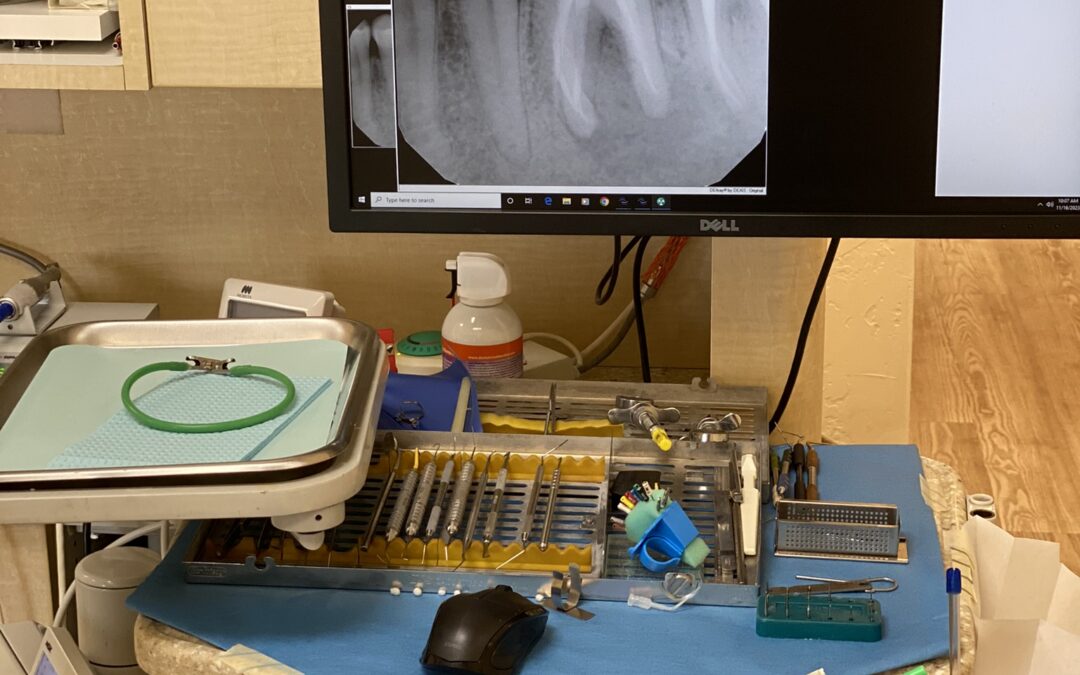
It starts small — a twinge when you bite down, a little sensitivity to hot or cold, maybe some tenderness along the gumline. It’s tempting to brush it off, especially if the pain comes and goes. But a tooth infection doesn’t resolve on its own. Left untreated, 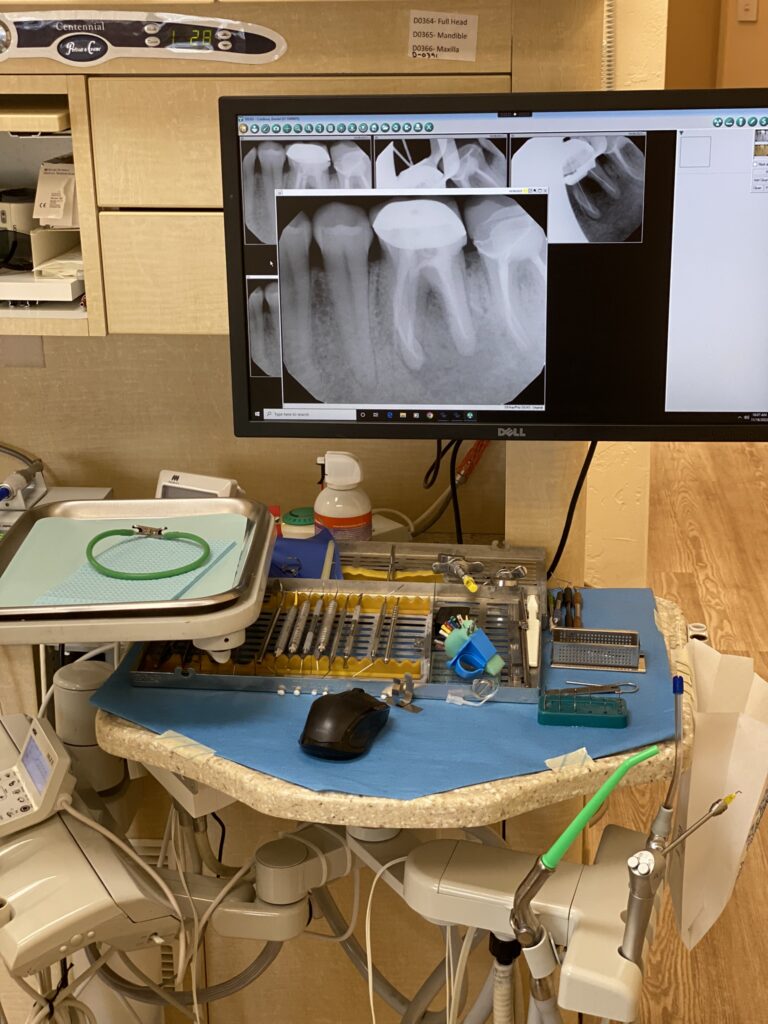 it can escalate from a minor annoyance into a serious health emergency. Here’s what actually happens when a tooth infection is ignored — and why acting early makes all the difference.
How a Tooth Infection Starts
Tooth infections usually begin with untreated decay, a crack, or trauma that allows bacteria to reach the pulp — the soft tissue at the center of your tooth containing nerves and blood vessels. Once bacteria invade the pulp, your body’s immune response kicks in, but the enclosed space of the tooth means pus and inflammation have nowhere to escape. This buildup is what eventually forms a dental abscess.
Stage 1: Localized Pain and Sensitivity
In the earliest stage, symptoms are often mild and easy to dismiss: occasional throbbing, sensitivity to temperature, or slight tenderness when chewing. Many people wait here, hoping the discomfort will pass. Unfortunately, this is exactly when treatment is simplest — and waiting only allows the infection to dig in deeper.
Stage 2: Abscess Formation
As the infection progresses, pus collects at the root tip, forming a visible or palpable abscess. Symptoms intensify — constant throbbing pain, swelling of the face or jaw, a bad taste in the mouth, and sometimes a low-grade fever. At this stage, the infection is actively damaging the surrounding bone and tissue, and home remedies or over-the-counter pain relievers only mask the problem.
Stage 3: Spreading Infection
If still untreated, the infection doesn’t stay put. It can spread to the jawbone, into the soft tissues of the face and neck, and in rare but serious cases, into the bloodstream or up toward the sinuses and brain. Swelling can begin to affect breathing or swallowing, which is a medical emergency requiring immediate attention — not a wait-and-see situation.
Why Prompt Treatment Matters
The earlier a tooth infection is treated, the more likely your natural tooth can be saved through root canal therapy — removing the infected pulp, disinfecting the canal, and sealing the tooth so it can keep functioning normally. Wait too long, and extraction may become the only option, which opens the door to a separate set of problems: shifting teeth, bone loss, and the cost and time of replacement options like implants or bridges.
Frequently Asked Questions
Can a tooth infection go away without treatment?
No. Antibiotics may temporarily reduce swelling or discomfort, but they don’t eliminate the source of the infection inside the tooth. Only endodontic treatment or extraction resolves it permanently.
How do I know if my tooth infection is an emergency?
Facial swelling, difficulty breathing or swallowing, a fever, or rapidly worsening pain are signs you need urgent care immediately — head to an emergency room if breathing or swallowing is affected.
Is it too late for a root canal if I’ve waited a long time?
Not necessarily. Many teeth can still be saved even after prolonged infection. The only way to know is a prompt evaluation — the longer you wait, the fewer options you may have.
Don’t Wait Out a Tooth Infection
If you suspect a tooth infection, don’t wait for it to get worse. Phoenix Endodontic Group offers same-day emergency appointments to diagnose and treat infections quickly, with the goal of saving your natural tooth whenever possible.
Call us today at (602) 242-4745 or visit phoenixendodontist.com to schedule your a

by Dr. Jacqueline S. Allen | May 6, 2026 | Blog, Pain, Root Canal, Tooth Abscess
It starts with a twinge. Maybe a brief flash of sensitivity when you drink something cold, or a dull ache that comes and goes. You take some ibuprofen, it calms down, and you move on with your day — hoping it was nothing.
Sound familiar? You’re not alone. Waiting out tooth pain is one of the most common things people do. But is it ever actually safe? And how do you know when the tooth is healing on its own versus when it’s quietly getting worse?
Here’s an honest look at what your tooth can — and can’t — recover from on its own.
The Short Answer: It Depends on What’s Wrong
Not all tooth pain is created equal. Some discomfort is temporary and harmless. Other pain is a signal that something serious is happening inside the tooth — and that’s where waiting becomes risky.
The key is understanding the source of the pain. Here are the most common scenarios:
When Tooth Discomfort Can Resolve on Its Own
There are a few situations where mild discomfort may settle down without treatment:
- After a recent dental procedure. It’s completely normal to feel sensitivity or soreness for a few days after a filling, cleaning, or crown placement. This typically resolves on its own as the tooth settles.
- Minor enamel sensitivity. If you’ve been using whitening products, eating a lot of acidic foods, or brushing too hard, you may experience temporary sensitivity. Cutting back on the trigger often helps.
- A very small, superficial crack. Tiny surface cracks (called craze lines) in the enamel don’t always require treatment and may not cause pain at all.
In these cases, keeping an eye on things makes sense. But “keeping an eye on it” means monitoring closely — not indefinitely ignoring it.
When Waiting Makes Things Significantly Worse
Here’s where things get important. If the pain involves the inner part of the tooth — the pulp, which houses the nerves and blood vessels — it will not get better without treatment. In fact, it almost always gets worse.
Signs the pain is coming from inside the tooth include:
- Throbbing or intense pain that lingers for more than a few days
- Sensitivity to hot or cold that doesn’t go away within 30 seconds
- Pain that worsens when you bite down
- A tooth that looks darker than the ones around it
- Swelling in the gum near the tooth, or a small pimple-like bump
- Pain that wakes you up at night
These are all signs of pulpitis — inflammation or infection of the tooth’s inner pulp. And here’s the thing about pulpitis: in its early stages, it may be reversible. Let it go long enough, and it becomes irreversible. The nerve dies, infection sets in, and what could have been a straightforward root canal may become an abscess requiring more complex treatment — or worse, tooth loss.
The “It Stopped Hurting” Trap
This is one of the most common reasons people delay care — and one of the most misleading signals a tooth can give you.
When a tooth that has been hurting suddenly goes quiet, it can feel like good news. But in many cases, it means the nerve has died. The infection is still there. The bacteria are still spreading. There’s just no nerve left to send a pain signal.
A tooth that has stopped hurting after weeks of pain should be evaluated by an endodontist — not celebrated. Painless doesn’t mean problem-free.
What Happens When an Infection Is Left Untreated
Dental infections are not self-contained. Without treatment, they can:
- Spread to the jawbone, causing bone loss
- Create a dental abscess that can rupture and spread to surrounding tissue
- In rare but serious cases, spread to the neck, airway, or bloodstream — a life-threatening complication
- Affect neighboring teeth, leading to more extractions
The longer an infection is left alone, the more complex — and costly — the treatment becomes. A root canal performed early is far simpler than managing a spread infection or replacing a lost tooth with an implant.
So What Should You Actually Do?
Here’s a simple rule of thumb: if tooth pain or sensitivity has lasted more than a few days, or comes with any of the warning signs listed above, it’s time to get it checked out. You don’t have to be in agony to call an endodontist. Earlier is always better.
At Phoenix Endodontic Group, we use advanced diagnostics — including 3D cone beam CT imaging and surgical microscopes — to find out exactly what’s going on inside your tooth. Many issues that feel minor from the outside are more progressed than they appear, and catching them early gives us the best chance of saving your natural tooth. Learn more about our approach on our Root Canal Therapy page.
The Bottom Line
Can a tooth heal itself? Sometimes — but only in a narrow set of circumstances, and never when the inner pulp is involved. The longer you wait on pain that doesn’t resolve, the fewer options you have.
Tooth pain is your body’s way of asking for help. Don’t wait until it stops asking.
Not Sure If Your Tooth Pain Needs Attention?
The team at Phoenix Endodontic Group is here to help you find answers. Dr. Jacqueline S. Allen and Dr. James F. Wolcott specialize in diagnosing and treating exactly these kinds of situations — quickly, comfortably, and with your long-term oral health in mind. We also offer IV sedation for anxious patients and same-day emergency appointments when you can’t wait. Call us at (602) 242-4745 or contact us online to schedule your appointment.
by Dr. Jacqueline S. Allen | Dec 5, 2024 | Tooth Abscess

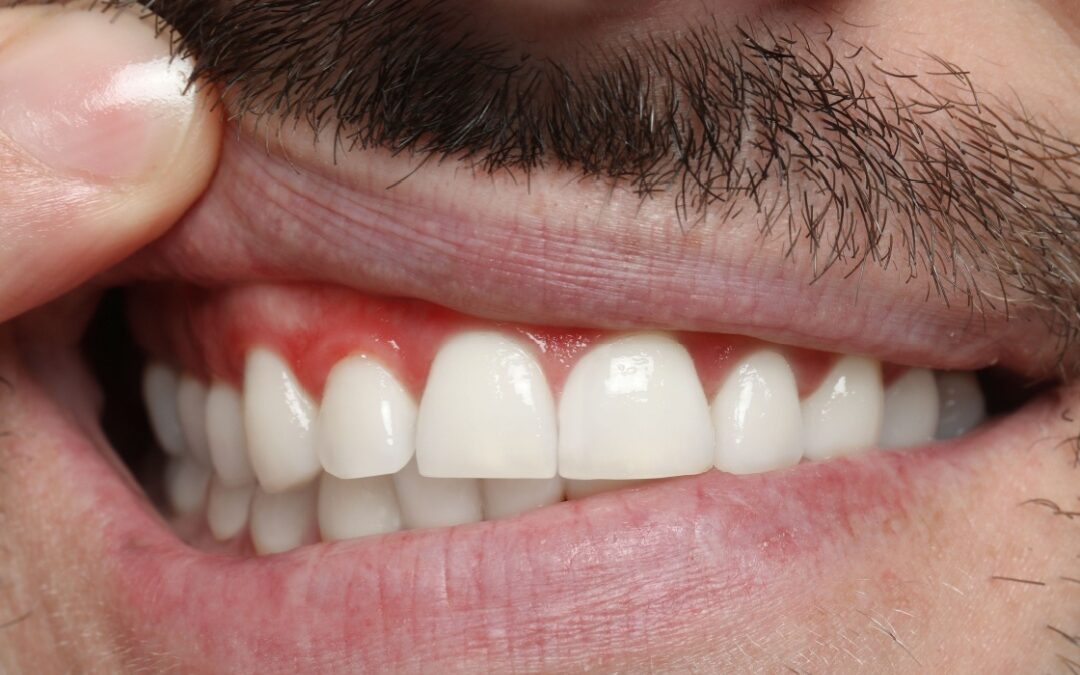
When you have a toothache, you don’t care why it hurts – you just want it to STOP. Many toothaches are caused by an abscessed tooth, which is a pocket of pus (infection) located near your tooth. Visiting an endodontist can not only help end the pain, it can also help you strategize to maintain your long-term dental health.
Tooth Abscess Causes And Symptoms
A tooth abscess happens when the nerve-rich pulp inside your tooth becomes infected. Such an infection can have many causes, including:
- A cracked or chipped tooth
- Severe, untreated tooth decay
- Gum disease spread to the tooth roots
- A dental injury exposing the nerve pulp to bacteria
Once a dental infection, regardless of cause, progresses to an abscess, your symptoms may include:
- An open, draining sore on your gums, or a “boil” near your tooth
- Swollen, red gums
- Bad breath
- Gnawing or throbbing pain
- Pain that radiates into your neck, jawbone, or ear
- Bitter taste in your mouth
- Fever and a general feeling of illness
An endodontist will use X-rays or other imaging tools like Cone Beam Computed Tomography (CBCT) to evaluate your teeth and see whether the tooth abscess is located at your tooth’s root, near the bones and ligaments supporting your tooth, or in the gums around your tooth.
Treating A Tooth Abscess The Endodontic Way
The most common treatment to save an abscessed tooth is a root canal. At the Phoenix Endodontic Group, we use the leading-edge GentleWave treatment system to thoroughly clean and remove infected tooth pulp. An endodontist fills the tooth roots with gutta-percha or another biocompatible substance. Later, a general dentist will add a crown to provide permanent structural support to the tooth.
Call Us About Your Tooth Abscess ASAP
If you’re worried your toothache may be due to an abscessed tooth, call the Phoenix Endodontic Group at 602-242-4745 to arrange an appointment. Infected teeth can pose a serious risk to your health. We offer 24/7 emergency care, so if you’re in pain, call right away!
