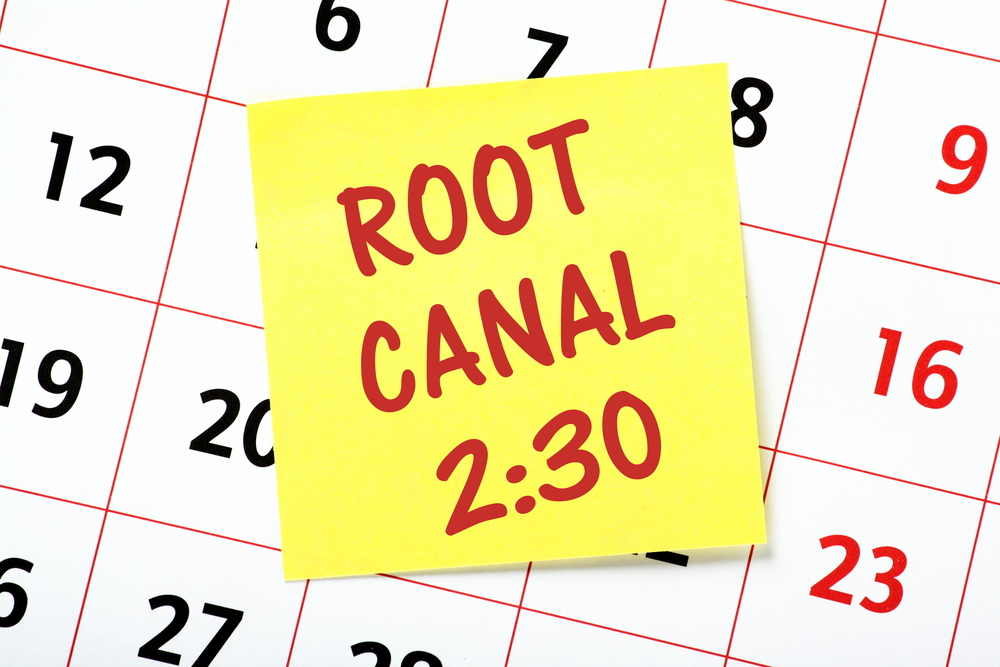
by Dr. Jacqueline S. Allen | Aug 23, 2020 | Blog, Endodontics, Endodontist, Root Canal
Root canal treatments are highly effective in saving injured or infected natural teeth. They are typically not lengthy procedures, but most laypeople are not clear on what’s involved in a root canal or what to look for when selecting a practitioner. If your regular dentist has recommended an endodontist perform your root canal, you will want to be fully informed and feel confident about your treatment. Here are some questions to help you prepare.
What To Ask Your Endodontist Before A Root Canal Treatment
-
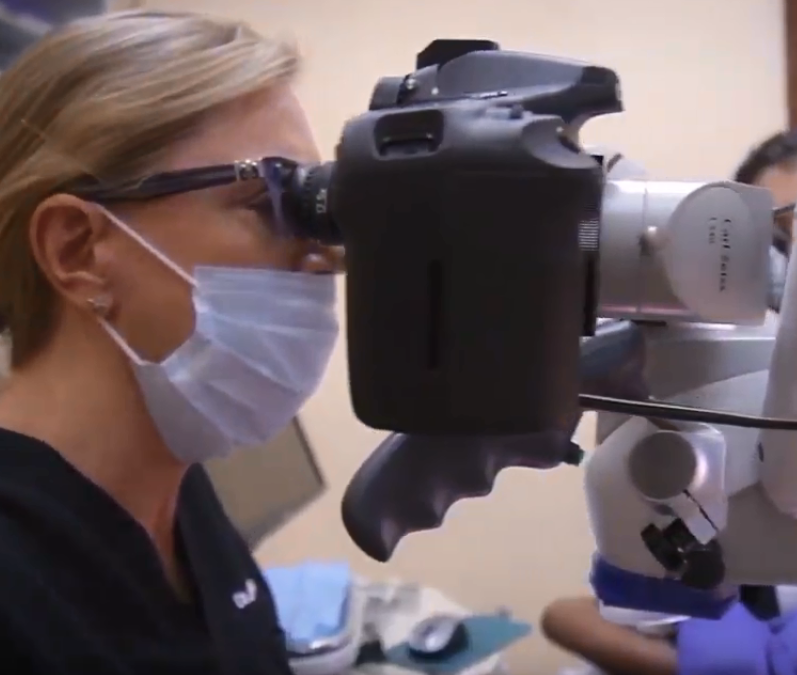
What kind of equipment is used for root canals? Endodontists typically perform the procedure far more frequently than a general dentist, so they also have specialized equipment that make the process easier and faster. This equipment can also help better resolve unexpected challenges that may present themselves during the treatment.
-
Do I need to take antibiotics before my root canal treatment? If you have certain types of systemic health issues, including a past history of infective endocarditis, your endodontist may prescribe antibiotic prophylaxis to ensure that you are protected should any oral bacteria enter the bloodstream. If you have an abscess, antibiotics may also be called for. Discuss your entire health history with your endodontist when your root canal is in the planning stages.
-
How many visits will my root canal take? Most root canal treatments are done in a single session, but occasionally you will need to return for a second appointment to finish the procedure. If that’s the case, your endodontist will place a temporary filling to protect your tooth until the treatment is finished.
-
How soon should I make my root canal appointment? Your regular dentist may have already communicated some of your symptoms to the endodontist, and this may give them a rough idea of how soon you need to be treated. However, some symptoms of a serious tooth injury are only apparent after a thorough clinical examination by a specialist; even if you think your symptoms aren’t bothersome, you should make an endodontic appointment as soon as one is available.
-
What should I do if I experience pain after my root canal? Your endodontist should provide you with a pain management plan for the first few days after your treatment, when some discomfort is normal. This may include information on using cold packs or pain-reducing medication. If you experience moderate or severe pain after the third day following your procedure, call your endodontist to see if they would like you to come back in for a recheck.
“Endodontists welcome questions from patients before, during, and after a root canal treatment,” says Dr. Allen, who practices with the Phoenix Endodontic Group. “We want you to understand your case fully, and we will provide you all the information you need to be comfortable and confident about your procedure.”
by Dr. Jacqueline S. Allen | Jul 20, 2020 | Blog, Dental Implants, Endodontist, Phoenix Endodontic Group
For those struggling with problems with natural teeth, one question can become paramount: “Should I have an endodontist treat my tooth with a root canal, or should I consider getting a dental implant?”
The decision-making process related to a dental implant involves many factors. However, there are numerous situations in which a dental implant is clearly a strong choice to rectify your dental challenges, some of which are discussed below.
Situations That Support Choosing A Dental Implant
- Earlier attempts to save your natural tooth have been unsuccessful. If your natural tooth continues to have serious infection issues after a root canal or a root canal retreatment, it may be time to consider an implant.
- You have had gum disease around the impacted tooth/teeth. The declining health of your gums can damage your periodontal ligament, which plays a crucial role in attaching the roots of your tooth to your jaw. If the ligament cannot regenerate itself successfully, it becomes much harder to retain a natural tooth.
- You are not a strong candidate for a fixed bridge or a partial set of dentures. If you are struggling with one or several teeth adjacent to each other, it might seem more cost-effective to try a fixed bridge or partial dentures. However, not everyone can tolerate the feel of dentures and the care they require, and the alterations required for a fixed bridge require the adjacent teeth to be structurally sound.
- Your natural tooth is already gone. If you have already lost your tooth, a dental implant can play a key role in preventing further tooth loss and bone deterioration in the jaw. Unreplaced teeth can cause the remaining teeth to crowd together and can obviously interfere with clear speaking or eating a normal diet.
- You are in danger of losing an entire arch of natural teeth. In some cases, the more natural teeth you have that are in poor shape, the less likely a solution other than a dental implant will work. Dental implants can be customized to replace anything from one tooth to an entire arch of teeth.
“The question of how to treat failing natural teeth has an answer unique to each patient,” says Dr. Jacqueline S. Allen, who practices with the Phoenix Endodontic Group. “We can perform in-depth examinations and provide evidence-based treatment plans whether a dental implant, a root canal, or another type of intervention will provide the best long-term results.”
by Dr. Jacqueline S. Allen | Jun 24, 2020 | Blog, Endodontics, Endodontist, Phoenix Endodontic Group, Root Canal
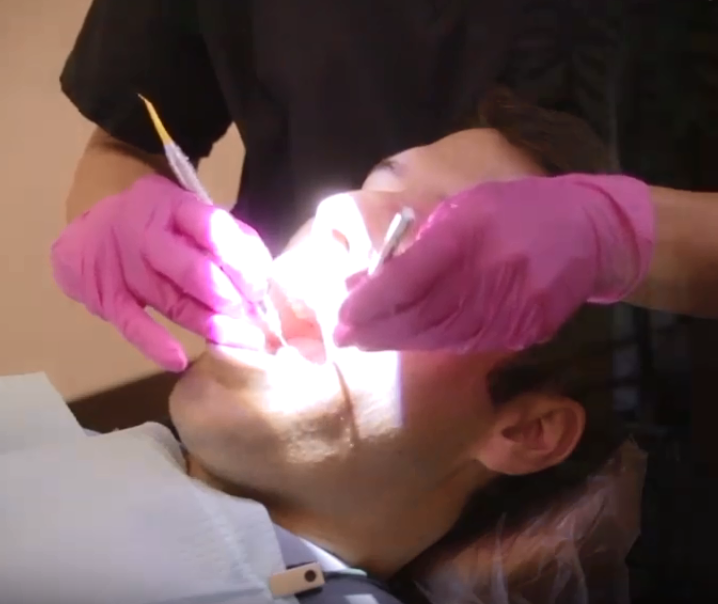
Root canals are often the treatment of choice when you develop a serious infection involving your natural tooth’s pulp, or if your tooth has been chipped, cracked, or otherwise damaged. However, while root canals have a high success rate and a high patient satisfaction rate, not every root canal ends up being a permanent solution.
The factors that initially bring a patient to the endodontist influence whether their tooth can be saved by a root canal. Here is a short list of conditions that can make saving a tooth with a root canal treatment more challenging.
Factors That Can Interfere With Saving Natural Teeth With Root Canals
-
Teeth with long or unusually curved roots. Endodontists use special tools and seal the roots. If a patient’s canals are hard to clean, it may be less likely that the treatment will be permanently successful.
-
A crack in the tooth root. Even though teeth treated with a root canal are protected above the gum line with a restoration such as a crown, if the root itself develops a crack, infection can re-enter the tooth.
-
Advanced periodontal disease. Your gums play an integral role in your oral health and if you have severe or recurrent gum disease, saving your natural tooth through a root canal is far less likely to be successful.
-
Previous root canal treatment of the tooth. There are ways to treat a tooth if the original root canal fails, such as a retreatment or an apicoectomy. However, the success rates for additional procedures are not as high as for a first-time root canal treatment.
“Although root canal treatment often provides a lifelong solution for a damaged or infected natural tooth, it isn’t the best choice for every patient,” says Dr. Allen, an endodontist who practices with the Phoenix Endodontic Group. “Our staff can perform a thorough examination and advise you on your best treatment options.”

by Dr. Jacqueline S. Allen | May 20, 2020 | Blog, Endodontics, Save Your Tooth Month
 While 2019 may have been the year of decluttering, thanks to author Marie Kondo, this year people are considering the value of conserving the things that matter the most to them. Savingfamilyscrapbooks is a no-brainer when it comes to things to hold on to, but what about saving one of the most important parts of our body – our teeth?
In 2019, the American Association of Endodontists (AAE) expanded their Root Canal Awareness Week, traditionally observed during May, into SaveYourToothMonth. The organization has amplified its message that endodontics – the dental specialty area concerned with treating and better supporting the function of dental pulp – plays an important role in helping clients retain use of their natural teeth for a lifetime.
Why Is Saving My Teeth Important?
Our teeth are crucial to our ability to eat, speak, and smile. When a tooth is extracted because it has been damaged by infection or trauma, other teeth can shift, leading to a host of dental problems.
A smile (or lack of one) is one of the first things others notice, so if you are missing even a few natural teeth, your self-confidence can plummet. Dental restorations such as bridges and dental implants can provide significant support to those who have lost a natural tooth, but the procedures to provide them are often costly and require repeated dental visits to complete.
How Can Endodontics Help Preserve My Natural Teeth?
Endodontic dental specialists have benefited from improvements in technology and technique in the last generation and have multiple ways to help save your natural teeth. Some of their most common services include:
- Root canal treatment
- Endodontic retreatment of failing root canals
- Apicoectomy, or root-end resection, which treats the bone around the tip of your tooth root
- Stabilizing and providing emergency care to teeth that have been knocked out or suffered other types of dentaltrauma
“The primary goal of endodontics is to save your natural teeth,” says Dr. Jacqueline S. Allen, founder of and current practitioner at the Phoenix Endodontic Group. “Our staff provides individualized guidance to each client on the best ways to help them keep their teeth and avoid extractions whenever possible. Our offices stand ready to help you deal safely with all your endodontic needs.”
by Dr. Jacqueline S. Allen | Apr 22, 2020 | Blog, Dental Implants, Phoenix Endodontic Group
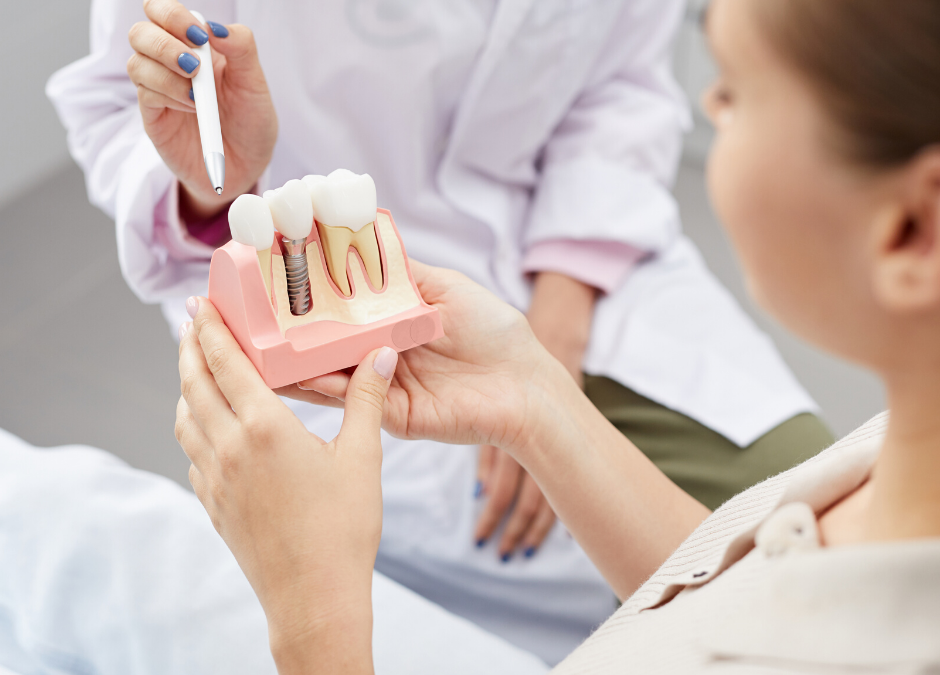
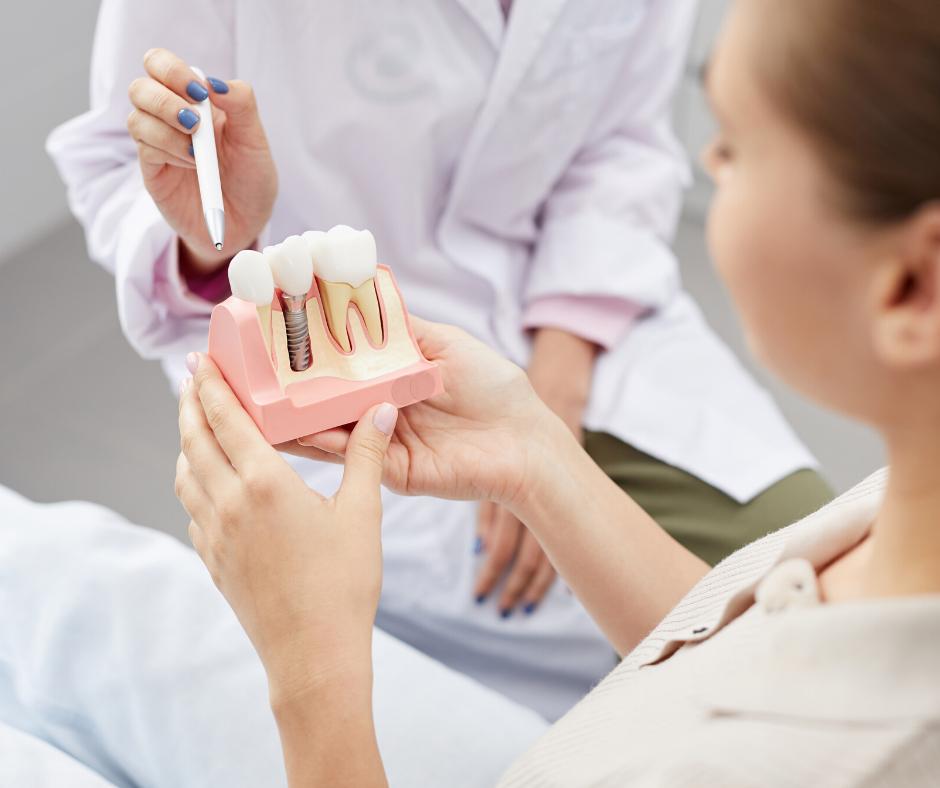
When considering dental implants, you can expect your endodontist to allow three to six months for healing, after placing the implant and before placing a permanent restoration on top of the tooth. The implant and its crown will take the place of your natural tooth. There are several factors influencing how quickly a dental implant will heal, and their interplay determines how quickly you can expect the process to be finished.
What Influences The Dental Implant Healing Process?
-
Bone loss in the area of the jaw receiving the implant. If the dental implant is replacing a missing tooth, or if the natural tooth being extracted was damaged, the bone density at the implant site may not be sufficient to allow the metal implant post and the jawbone to grow together. A bone graft may be required to prepare the site before the implant can be placed. In this case, the implant may require up to six months of healing before a permanent restoration can be placed on top of it.
-
Location of the natural tooth being replaced by the dental implant. A dental implant intended to replace a front tooth with its small roots will generally take less time to heal than back teeth or teeth with longer roots.
-
The presence of gum disease or infection in the natural tooth to be replaced. Active infection in a tooth or gum disease near the implant site will require a longer healing period because the infection or disease must first be controlled and healed.
Often, a temporary restoration such as a crown can be placed on a dental implant while it is healing. This is an option when it will not endanger the integration process, which will be evaluated by your endodontist.
“Two of the most important phases of the dental implant process are the diagnostic and planning stages,” says Dr. Jacqueline S. Allen, who practices with the Phoenix Endodontic Group. “Careful examination of the current state of a patient’s teeth and gums can help us provide a more accurate healing timeline.”

by Dr. Jacqueline S. Allen | Mar 31, 2020 | Blog, Endodontics, Endodontist, Root Canal
A damaged or infected tooth needs to be assessed by a dental professional as soon as possible. Endodontists are dental professionals who specialize in saving natural teeth through root canal treatments and other procedures. However, even with today’s technology, the most skilled of endodontists cannot save every tooth. There are times when the best course of action is simply to have a failing tooth removed.
Situations In Which A Root Canal Is Better
-
The symptoms of a damaged tooth are recognized early. If you notice severe pain while chewing, a pimple on your gum, tender gums, lasting sensitivity to hot or cold foods, or certain other symptoms that indicate your tooth’s pulp is infected, schedule an appointment with your dentist or endodontist immediately. The sooner your tooth can be examined, the more likely it is your natural tooth can be saved.
-
Your tooth’s structure is still strong. Root canals remove the nerve pulp inside your tooth’s roots and replace them with a biocompatible material. A crown is placed over the treated tooth to provide it with additional support. This treatment can be effective long-term 95 percent of the time, but if your tooth’s structure has been eroded by decay or injury, it is much less likely to be successful.
-
Your tooth roots are relatively easy to clean. The success of a root canal hinges largely on how well your endodontist can remove infection from your tooth roots before sealing the canals. If you have long or unusually shaped root canals, this may be difficult.
When Extraction Is Better
Your dental professional may recommend a tooth extraction if any of the following are true:
-
The tooth is badly decayed
-
The tooth has suffered a severe fracture
-
The tooth isn’t supported well by the surrounding gum tissue due to periodontal disease
-
The tooth has received a root canal treatment or retreatment and is still failing
“Your endodontist can determine whether an extraction and tooth replacement or a root canal is the better option for your natural tooth,” says Dr. Allen, who practices with the Phoenix Endodontic Group. “Both treatments are effective in restoring your mouth’s function and appearance.”
