
by Dr. Jacqueline S. Allen | Aug 6, 2025 | Blog, Endodontics, Endodontist, Phoenix Endodontic Group, Root Canal
When Is a Cracked Tooth More Than Just Cosmetic?
Fixing a cracked tooth is similar to inspecting a car after a fender bender—what looks like a minor issue can hide deeper structural damage. Without a professional evaluation, a surface-level chip or crack may go unnoticed until it worsens.
Unlike bone, teeth can’t regenerate. So, even a small crack in the enamel or dentin may expand with chewing, grinding, or exposure to hot and cold foods. Left untreated, these cracks can progress to the soft inner pulp, where the tooth’s nerves and blood vessels are located. This can cause pain, sensitivity, and infection.
Why You May Need a Root Canal Before a Crown
When treating a cracked tooth, your best resource is an endodontist. These dental specialists are highly trained in diagnosing and treating issues within the tooth, especially damage that affects the root or pulp. They are often the first to determine whether a root canal is necessary before a crown can be safely placed.
A dental crown serves to protect and restore the tooth’s structure. But placing a crown without addressing underlying pulp damage can lead to serious complications. If the crack has exposed or infected the nerve tissue inside the tooth, a root canal is needed to remove that tissue, disinfect the area, and prevent future infection before the crown is applied.
Sometimes, large visible cracks may not require a root canal, while in other cases, small, nearly invisible cracks can have already caused nerve damage. Symptoms like pain when biting, sensitivity to temperature, or swelling may indicate pulp involvement—but some patients experience no symptoms at all.
What Happens If the Crack Is Too Deep?
If the crack extends beneath the gum line or into the root, a root canal may not be enough. In such cases, the tooth may be too compromised to save, and extraction could be the only option. Early diagnosis is key to preserving your natural tooth.
At Phoenix Endodontic Group, our team uses advanced imaging and diagnostic techniques to evaluate cracked teeth. We’ll determine whether a root canal is necessary before placing a crown and help you avoid unnecessary tooth loss.
Need a cracked tooth evaluated? Schedule a consultation with Phoenix Endodontic Group today to protect your smile and maintain your oral health.

by Dr. Jacqueline S. Allen | Jul 7, 2025 | Blog, Endodontist, GentalWave, Root Canal
Most people are familiar with general dentists, but when a dental issue goes deeper—literally—your dentist might refer you to a specialist called an endodontist. But what exactly does an endodontist do? If you’re experiencing tooth pain, sensitivity, or have been told you need a root canal, understanding the role of an endodontist can help you feel more informed and confident in your care.
What Is an Endodontist?
An endodontist is a dental specialist who focuses on diagnosing and treating problems related to the dental pulp and the tissues surrounding the roots of a tooth.  After completing dental school, endodontists undergo two or more additional years of advanced training specifically in root canal therapy, complex tooth anatomy, and pain management. While all endodontists are dentists, not all dentists are endodontists. General dentists handle routine care like cleanings, fillings, and crowns, while endodontists are experts in saving natural teeth through specialized procedures.
What Procedures Do Endodontists Perform?
The most common procedure endodontists perform is root canal therapy. However, their expertise extends beyond that. Here’s a breakdown of services typically offered:
- Root Canal Therapy
This treatment is done to remove infected or inflamed pulp tissue inside a tooth. An endodontist carefully cleans and disinfects the inner canals of the tooth, then fills and seals them to prevent further infection.
- Root Canal Retreatment
If a tooth that has already had a root canal becomes painful or infected again, endodontists can retreat the tooth to give it a second chance.
- Apicoectomy (Root-End Surgery)
Sometimes, inflammation or infection persists even after a root canal. In these cases, endodontists may perform an apicoectomy, which involves removing the tip of the root and sealing it to stop the issue at its source.
- Traumatic Dental Injury Treatment
Endodontists also treat teeth that have been cracked, chipped, or knocked out due to accidents or sports injuries. Their training enables them to preserve teeth that may otherwise be lost.
- GentleWave® Procedure
At Phoenix Endodontic Group, we’re proud to offer the GentleWave® procedure as a modern, minimally invasive alternative to traditional root canal treatment. This advanced technology uses a combination of sound waves and fluid dynamics to deeply clean and disinfect even the most complex root canal systems. Unlike traditional root canal methods that rely on manual files to remove infected tissue, the GentleWave® system reaches microscopic spaces and removes bacteria, debris, and infected tissue more thoroughly. The benefits of the GentleWave® procedure are impressive. It is less invasive, preserving more of your natural tooth structure. Patients typically experience less post-operative discomfort, and because the system provides a more complete cleaning, it often reduces the need for multiple visits. Many treatments can be completed in just one appointment. Additionally, GentleWave® minimizes the risk of reinfection by removing bacteria from hard-to-reach areas that traditional methods might miss. By offering the GentleWave® procedure, Phoenix Endodontic Group ensures our patients receive state-of-the-art care with faster recovery times, enhanced comfort, and highly successful outcomes — making root canal treatment safer, easier, and more effective than ever before.
 When Should You See an Endodontist?
Your general dentist might refer you to an endodontist for several reasons: you have severe tooth pain or prolonged sensitivity to hot or cold, you’ve experienced dental trauma, you need a root canal or root canal retreatment, your tooth has complex anatomy that requires specialized care, or you want to explore advanced treatment options like GentleWave®. Seeing an endodontist can help you save your natural teeth whenever possible, which is always the best option for your long-term oral health.
Benefits of Seeing an Endodontist
Choosing to see an endodontist comes with many advantages. With focused training, endodontists are highly skilled in diagnosing and treating tooth pain and root issues. Many use cutting-edge tools like digital imaging, microsurgical techniques, and advanced technology like GentleWave® to improve accuracy and comfort. Endodontists can often complete complex procedures in fewer visits than a general dentist. Their precision and training often lead to higher success rates, especially for difficult cases.
Trust Your Smile to a Root Canal Specialist
At Phoenix Endodontic Group, our board-certified endodontists specialize in saving teeth with expert care, precision, and compassion. Whether you’ve been referred by your dentist or are exploring options for persistent tooth pain, we’re here to help. Contact us today to schedule a consultation and take the next step toward restoring your oral health and comfort.

by Dr. Jacqueline S. Allen | May 1, 2025 | Root Canal, Root Canal Aftercare
Following a root canal, success depends on more than what your doctor, dentist, or endodontist does – you play a critical role in recovery by paying close attention to your aftercare instructions.
In this post, we’ll look at three important areas of root canal aftercare: pain management, post-procedure food choices, and daily oral care. Monitoring these areas after your root canal helps your body heal well and lays the groundwork for continuing good health.
Root Canal Aftercare Tips To Enhance Your Recovery
After your root canal, you’ll leave the office with any written recovery directions your practitioner has for you. Your next steps are easy: relax, wait for the local anesthesia to wear off before eating, and pay attention to how you feel.
- Pain Management – You may feel sensitivity in the treated tooth. This can be managed with over-the-counter pain relievers. If you feel severe pressure or pain in the tooth, call your endodontist promptly for a consultation.
- Post-Procedure Diet – Eat a soft-food diet for a short period after treatment to facilitate recovery. Recommended options include scrambled eggs, yogurt, mashed potatoes, lukewarm soups, meatloaf, pasta, and cooked or canned fruit. Avoid sticky foods, hard foods, and extremely hot or cold food and drink.
- Daily Oral Care – Your endodontist may direct you to swish with salt water for the first few days after your root canal. Beyond that, maintain your daily dental care routine, including flossing (be careful around the treated tooth), and twice-daily brushing.
Don’t Forget Your Crown!
A critical part of root canal aftercare involves returning to your general dentist to have a crown placed on the treated tooth. This protects your natural tooth from further damage and decay. You should have this done within a week or two of your root canal.
Call Our Office Today To Discuss Your Root Canal Aftercare Plan
The staff at the Phoenix Endodontic Group is happy to walk you through your root canal aftercare plan and answer any questions concerning your recovery. Call us at 602-242-4745 to make an appointment. We offer emergency treatment options during or outside regular office hours.

by Dr. Jacqueline S. Allen | Apr 4, 2025 | Root Canal
When a tooth gets injured or infected, you just want the pain to stop. Tooth extraction can sound like an alternative to a root canal, especially when only one tooth is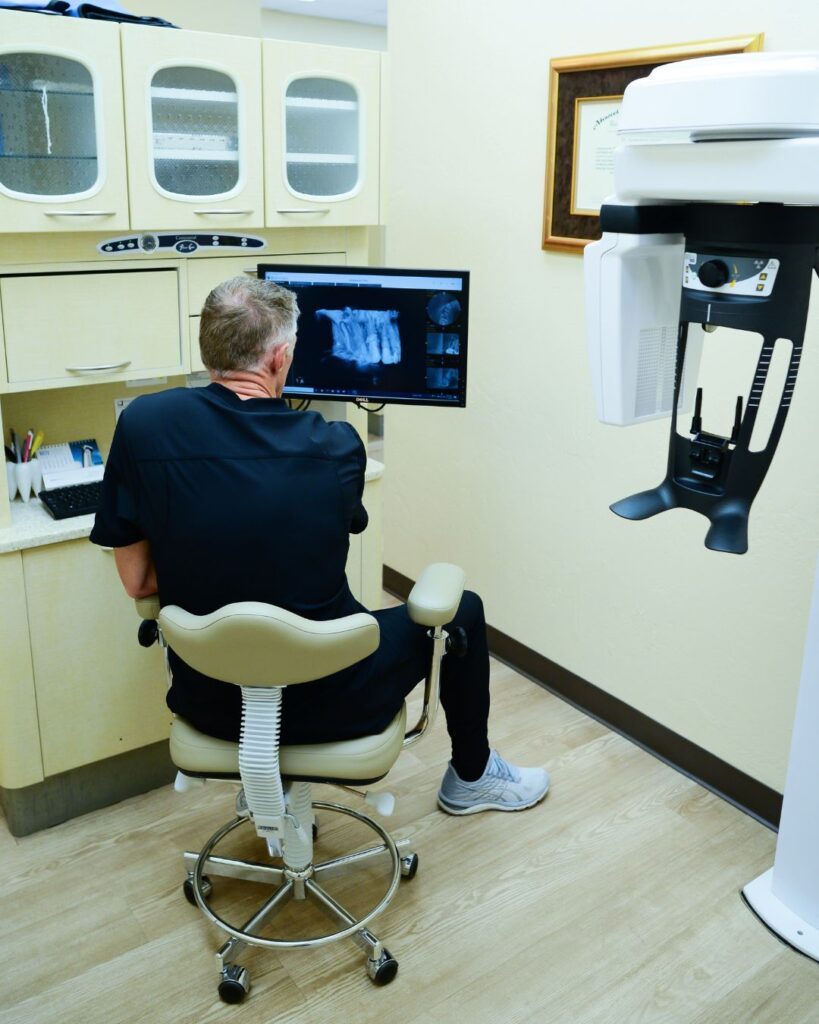 involved. However, it’s important to look beyond the moment when a natural tooth is at risk.
Sometimes an extraction is the only choice because the tooth is cracked or injured, or because the decay is pervasive. Often, though, endodontists can repair a damaged natural tooth with root canal treatment. Let’s review a few reasons why saving a natural tooth through a root canal is better than having it extracted.
Root Canals Vs. Tooth Extractions: Which Is Best?
- Root canals protect your natural teeth from further damage. Root canal treatments thoroughly clean and disinfect the roots of your teeth. The final step also prevents infection from returning by filling the tooth canals with biocompatible material and placing a crown.
- Root canals keep your natural smile. Dentures, dental implants, or bridges – types of restorations used following tooth extraction – don’t function or look as well as your natural teeth. Endodontists can use root canals or related endodontic treatments to save even badly damaged natural teeth.
- Missing teeth result in cascading dental problems. One extracted tooth can cause your remaining teeth to shift. Multiple extracted teeth can result in bone loss in the jaw and a noticeable “sag” in the lower third of your face. Keeping your natural teeth prevents this.
- Root canals may actually be less painful! Despite what many people think, today’s root canal treatments are usually done under local or IV sedation anesthesia and have little or no pain afterwards. According to the American Association of Endodontists, patients who undergo root canals are six times more likely to describe the experience as painless than those who opt for tooth extraction.
Call Our Office For An Initial Consultation
At Phoenix Endodontic Group, our skilled staff can review your case to determine the best plan for preserving your natural teeth. Call us at 602-242-4745 to make an appointment. We offer emergency treatment options during or outside of regular office hours.

by Dr. Jacqueline S. Allen | Aug 1, 2024 | Dental Implants, Root Canal
More than 25 million root canal treatments are performed each year in the United States – that’s an average of more than 68,000 every day. Yet myths persist about root canal treatments, decades after they have become a common dental treatment. Nearly 15 percent of Americans put off needed dental care due to fears and anxiety, so it’s important to address misconceptions about root canals. Here are the facts to set to rest five of the most harmful and persistent myths about root canal treatments.
Busting 5 Common Myths About Root Canal Treatments
- Root canal treatments hurt. Today’s root canal treatments are delivered using modern local anesthetics or light to moderate sedation, and employing cutting-edge technology such as GentleWave to ensure a thorough and complete cleaning of the infected tooth roots. On top of that, endodontists are experts in pain management, so they work carefully to minimize any discomfort during or after the procedure.
- Having a root canal will make me sick. This myth, based on poorly conducted, long-debunked research done nearly a century ago, is particularly troublesome. The infection in your failing natural tooth will not “travel” anywhere else in your body. Nor will the root canal treatment itself give you cancer. In fact, recent research indicates that patients with multiple endodontic treatments had a greatly reduced risk of head and neck cancers.
- It’s better to extract a tooth than have a root canal. Tooth extraction is rarely an endodontist’s top recommendation. Missing teeth cause lifelong oral health challenges, and artificial replacements such as implants or bridges require more time and preparation to provide, as well as more investment, compared to a root canal.
- I’m not experiencing (X symptom), so I don’t need a root canal. While symptoms such as pain with a quick onset, tenderness to pressure on the tooth, or swelling of the surrounding tissues are common indications you need root canal treatment, absence of these symptoms does not rule out the need for one. Endodontists look for clinical signs that may not be obvious to you, but which give a more accurate picture of what’s going on inside your tooth.
- After my root canal treatment, I don’t need to do anything else. Natural teeth saved by a root canal can last a lifetime with proper care. A dental crown placed on top of a tooth after receiving a root canal treatment is a critical part of proper care. The crown provides stability and enhanced protection from tooth decay or infections due to a cracked or broken tooth. This step is not optional. In fact, your endodontist may follow up to ensure you’ve had a crown placed within a few weeks of your root canal.
Get The Facts About Your Situation – Make An Appointment Today
Learn more about the advantages of the root canal treatment process at the Phoenix Endodontic Group. Our staff is happy to conduct a detailed examination and review what you need to do to save your natural tooth. Call 602-242-4745 today to schedule an appointment.
by Dr. Jacqueline S. Allen | Jun 3, 2024 | Cracked Teeth, Root Canal
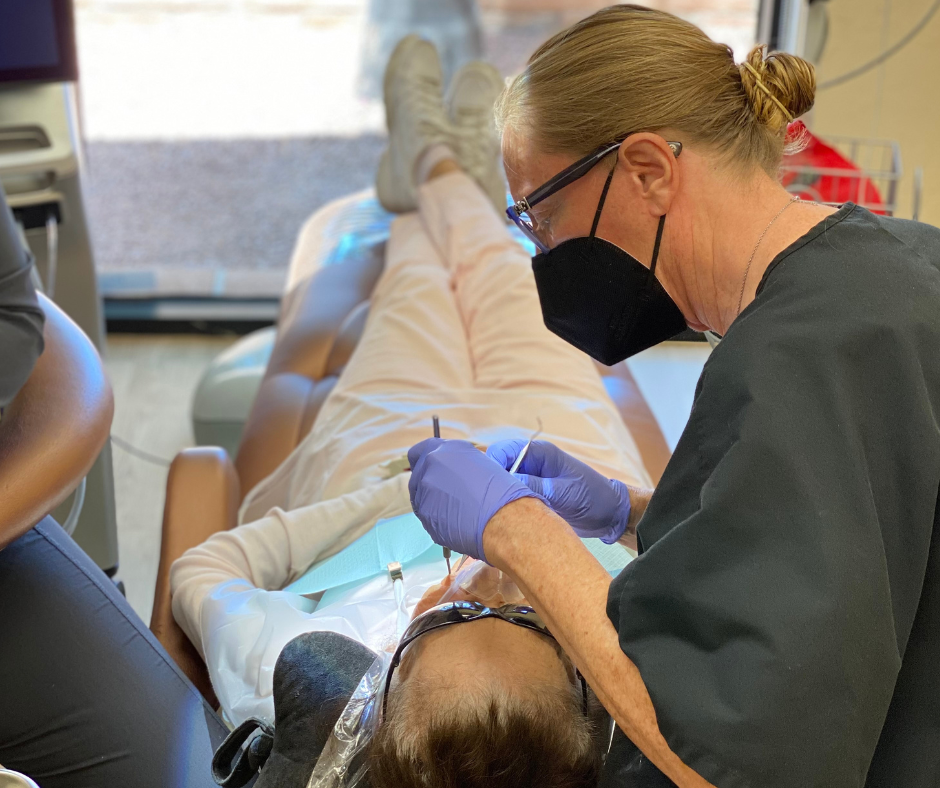
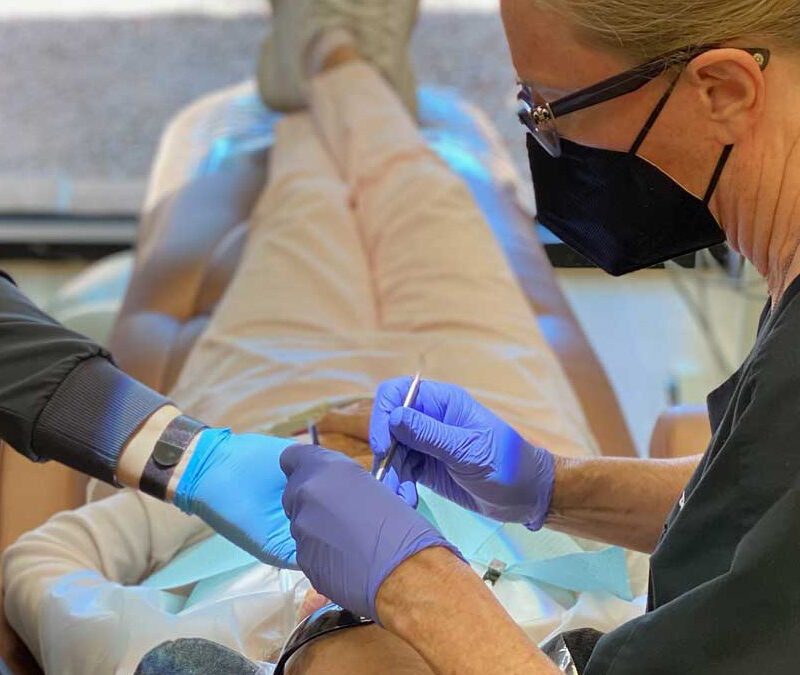
Everyone’s teeth are unique, as is the story of what brings each patient into the endodontist’s office. Some patients have struggled with dental health their entire lives; others show up needing help to save a tooth when they never had a cavity.
While the story of your teeth is personal, there are several common reasons you might need root canal therapy. The good news is that you can take proactive steps if you are concerned and want to protect and preserve your dental health. Paying attention to these factors may help minimize damage to your oral health and speed you on the road to recovery after root canal therapy.
Top 3 Situations That Can Lead To Root Canal Therapy
- Severe tooth decay extending deep into the tooth. An untreated cavity or tooth weakened by decay can go from bad to worse quickly if decay reaches nerve pulp in your tooth. Bacteria associated with tooth decay can cause an abscess, requiring emergency treatment to stabilize. You will need root canal therapy to clean the tooth’s roots and save the natural tooth. If you think you may have a cavity, make an appointment with your dentist.
- A cracked or chipped tooth. Bacteria that infect tooth pulp can also enter through an injury to the tooth. Teeth may be damaged in car accidents, sports, or falls. Always get prompt medical attention for chipped or broken teeth. You may eventually need root canal therapy to ensure an injured tooth will not suffer additional structural problems.
- A damaged or failing dental restoration. It doesn’t seem fair that a restoration meant to protect your tooth might contribute to the need for root canal therapy. Crowns are designed to be durable, but some may be more susceptible to damage or failure than others. To avoid this fate, practice good oral hygiene and visit the dentist regularly to keep tabs on how your crown or other restoration is impacting your mouth as a whole.
“There’s no shame in needing root canal therapy – many people encounter common situations best treated through root canals to preserve natural teeth,” says Dr. Jacqueline S. Allen, who practices at the Phoenix Endodontic Group. “Communicating clearly with your dentist and endodontist about what you are experiencing can lead to more accurate diagnoses and more successful treatment.”
