by Dr. Jacqueline S. Allen | Sep 20, 2017 | Blog, Business, Endodontics
From September 14th – 16th, 2017 the entire staff of Phoenix Endodontic Group took time off to attend the 17th Annual TDO Users Meeting at the Paradise Point Resort in San Diego, CA. Dr Jacqueline Allen was among the first clinicians to purchase TDO (The Digital Office) and has attended every Users Meeting since 2003. Phoenix Endodontic Group uses the annual TDO Meeting to attend lectures and presentations on team building, new research and scientific advancements in the field of Endodontics as well as updates and enhancements to the software.
Dr Gary B. Carr is the founder of TDO Software – he started the company about 20 years ago and over that time has changed the way dental clinicians practice Endodontics – use of the surgical microscope as a standard of care being the most obvious. In order to start TDO, Dr Carr assembled a group of endodontists that shared his commitment to excellence in the profession. At the 2017 TDO Users Meeting in San Diego, Dr Carr was able to reassemble the original team that did the research and development for what became TDO. Included in this group of exceptional endodontists was Dr. Joseph Dovgan (Joey D). Dr. Allen purchased Dr. Dovgan’s practice in Paradise Valley, AZ in 2008, and to this day we continue Dr. Dovgan’s commitment to excellence in the field of endodontics. The meeting welcome reception was a very emotional time for Dr. Carr as he paid tribute to his colleagues, his wife Jan and his long-time dental assistant, Joy Haskins.
In a lighthearted moment, Dr Carr recalled that 17 years ago he took all of his retirement savings ($200,000) and purchased an electron microscope in order to conduct his research. He said he told Jan after the fact, and instead of being mad about it she said “It’s ok you know what you are doing.” The rest, as they say, is history.
Dr. Allen is committed to continual training for staff on not only using TDO but also helping our team become stronger and more efficient. TDO’s motto is “Best in Class” – that is what the Phoenix Endodontic Group aspires to be every day.
by Dr. Jacqueline S. Allen | Sep 12, 2017 | Blog, Cracked Teeth, Endodontist
 When it comes to your dental health, it’s true that what you don’t know about a condition can hurt you far more than what you do know. Cracked teeth are an especially good example of this phenomenon. Depending on the type and severity of the crack, the impacted tooth may display clearly distressing, perplexing signs, or even no symptoms at all.
Your local endodontist is a specialist in diagnosing and treating cracked teeth. Here is a short list of “must-know” bits of information about cracked teeth.
Cracked Teeth: What Your Endodontist Wants You To Know
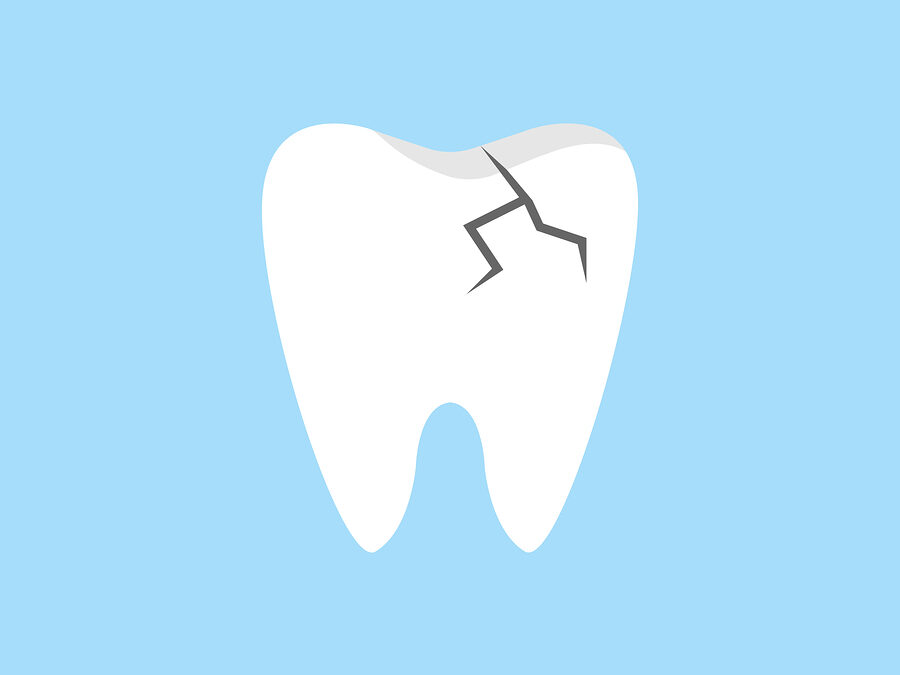
There can be many reasons a tooth becomes cracked. If you think that you can’t be experiencing a cracked tooth because you don’t remember anything that could have cracked it, understand that the reasons teeth become cracked vary. Cracked teeth can result from chewing on nuts, hard candy or ice, a blow to the mouth; chronically grinding one’s teeth, and previously losing an extensive amount of natural tooth structure, to exposure of the tooth to temperature extremes.
Teeth can become cracked in a variety of ways. There are craze lines, which only impact the cosmetic look of your enamel; a fractured cusp, which impacts the biting surface of your tooth; a cracked tooth, which is a fracture of the tooth and may or may not have extended to the root yet; and a vertical root fracture, which starts at the root and extends upward to the biting surface of the tooth.
Early diagnosis of cracked teeth is critical. If you believe you might have a cracked tooth, don’t put off a trip to your endodontist for an evaluation. Unlike other types of human bones, broken teeth do not heal. A small crack will get worse, and once the crack reaches the pulp of the tooth, the survival of the natural tooth itself will be in peril. Prompt diagnosis of the condition will give your endodontist treatment options such as fillings or crowns to protect the vulnerable tooth structure, or root canal treatment if the crack is impacting the pulp of the tooth.
“The whole idea of having a cracked tooth can be upsetting, but endodontists have many tools for resolving fractures to your natural teeth that preserve them and keep them healthy,” says Dr. Allen, who practices with the Phoenix Endodontic Group.

by Dr. Jacqueline S. Allen | Aug 31, 2017 | Blog, General Information, Patients
 Often times, men and woman question why they should care about their oral health. While many people focus on physical health, oral health tends to fall beneath the wayside. Oral health plays an incredibly important role in your physical health and should not be overlooked! Some might think a little gum bleeding is not so bad, but gum disease can lead to many severe problems. The severity of gum disease ranges from a mild type known as gingivitis to a more serious kind called periodontitis. The most severe cases of gum disease can result in tissue damage, bone loss, and even tooth loss. Do you think losing your teeth can simply be replaced by implants? It’s not that easy. Implants are not only expensive but often cannot be performed because of bone loss, one of the effects of gum disease. Because of this, the patient is forced to consider bridges or even dentures. Treatment of gum disease depends on a number of factors including the severity of the disease, the quality of your oral health care, and risk factors such as smoking, diabetes, and pregnancy. According to the American Dental Association (ADA):
Warning signs that can signal a problem:
- gums that bleed easily
- red, swollen, tender gums
- gums that have pulled away from the teeth
- persistent bad breath or bad taste
- permanent teeth that are loose or separating
- any change in the way your teeth fit together when you bite
- any change in the fit of partial dentures
Factors, which increase the risk of developing gum disease, are:
- poor oral hygiene
- smoking or chewing tobacco
- genetics
- crooked teeth that are hard to keep clean
- pregnancy
- diabetes
- medications, including steroids, certain types of anti-epilepsy drugs, cancer therapy drugs, some calcium channel blockers and oral contraceptives
What can you do about it now?
The main cause of gingivitis is dental plaque. In fact, dental plaque is the root of many oral health problems. If not removed regularly, plaque can accumulate between your teeth and around the gums. If you have gingivitis, you can normally restore your gum and oral health through improved teeth cleaning. The American Dental Association emphasizes the importance of “brushing your teeth twice a day, cleaning between your teeth daily, eating a healthy diet, and scheduling regular dental visits.” Even if you are diagnosed with gum disease, your dentist can design a treatment plan that includes professional cleaning to help you maintain good oral health.
Oral health is as equally important as physical health and must be cared for regularly. Consult your dentist right away if you suspect you have a problem. Gum disease is preventable and our team of dental experts can give you the care you need. To learn more about our services, or to schedule an appointment at Phoenix Endodontic Group, please call (602) 748-4190, or visit our website.

by Dr. Jacqueline S. Allen | Aug 24, 2017 | Blog, Endodontics, Endodontist, General Information, Phoenix Endodontic Group
 In 2001, Dr. Jacqueline S. Allen founded Phoenix Endodontic Group. Our firm has grown tremendously over the past decade and a half.
Over the last 16 years we have seen a lot of changes in the dental profession, technology and patient expectations. While flexibility is necessary when handling endodontic cases in today’s environment, it is equally important to stay true to the core values. Our core values are what brought Phoenix Endodontic Group so much success over the years.
Here are 3 important things to know about Phoenix Endodontic Group:
- Patient Focused: We recognize that the needs, care and treatment of our patients are our number one priority. From her first day in private practice, Dr. Allen’s philosophy is to “treat patients the way I want to be treated.” This idea is the cornerstone of our operation at Phoenix Endodontic Group
- State of the Art: At Phoenix Endodontic Group, we constantly invest in new technologies to keep ourselves on the cutting edge of endodontic therapy. Additionally, Dr. Allen spends a considerable amount of time continuing her education in the endodontic field. She believe strongly in learning and understanding the latest theories and techniques in the field of endodontics.
- Best in Class Care: Our team is focused on making sure you receive the best care. From appointment scheduling, insurance billing and post treatment care we are there to serve our patients and referring offices. Our goal is to make sure that every patient is “delighted” by the service and care provided by Phoenix Endodontic Group.
At Phoenix Endodontic Group, we feel that doing all of the “little things” correctly and attention to detail are two things that separate us from other endodontic dental offices. We are proud of our successes and our team’s dedication to providing top care for our patients. These first 16 years have gone by quickly and we look forward to the next 16 years with the same philosophy and commitment to excellence!

by fisherwebdesign | Aug 10, 2017 | Blog, Cone Beam Computed Tomography, Dental Technology, Endodontics, Endodontist, Phoenix Endodontic Group, Technology
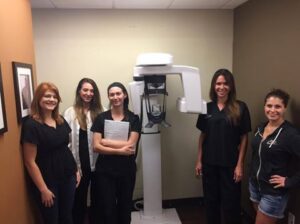 Threats to the inner pulp of your teeth can sometimes be challenging to identify and diagnose, but dental technology has come a long way in the past few years. One of the most exciting pieces of recently developed dental technology that aids endodontic specialists in their work is cone beam computed tomography, or CBCT.
Dental CBCT machines are a special type of x-ray equipment used when regular dental or facial x-rays are not sufficient. An endodontist may use this technology to produce 3-D images of teeth, soft tissues, nerve pathways and bone in a single scan. During a CBCT scan, the the machine rotates around the patient, capturing images using a cone-shaped x-ray beam. The resulting images can capture what is happening in the patient’s mouth, jaw and neck, as well as in their ears, nose and throat.
The biggest advantage of CBCT dental technology is that it allows the practitioner to visualize a patient’s condition as it actually exists in their mouth, because it is able to differentiate between many types of structures and airspaces — including bone, teeth, airway, sinuses, and soft tissue. This allows for a more accurate diagnosis and treatment planning process. CBCT can also be used after treatment to ensure that a root canal or other procedure has adequately addressed all problems that existed prior to the intervention.
Patients need to do very little to prepare for a CBCT scan, other than to wear loose clothing and leave all jewelry at home. CBCT scans are low-dose x-ray examinations compared to a standard medical CT scan.
“We’re thrilled that we can provide CBCT scans for our patients to deliver comprehensive endodontic treatment. This is a piece of dental technology that allows us to provide better care to everyone,” says Dr. Jacqueline S. Allen, who practices with the Phoenix Endodontic Group.
by Dr. Jacqueline S. Allen | Jul 10, 2017 | Blog, Dentistry, Endodontics, Endodontist
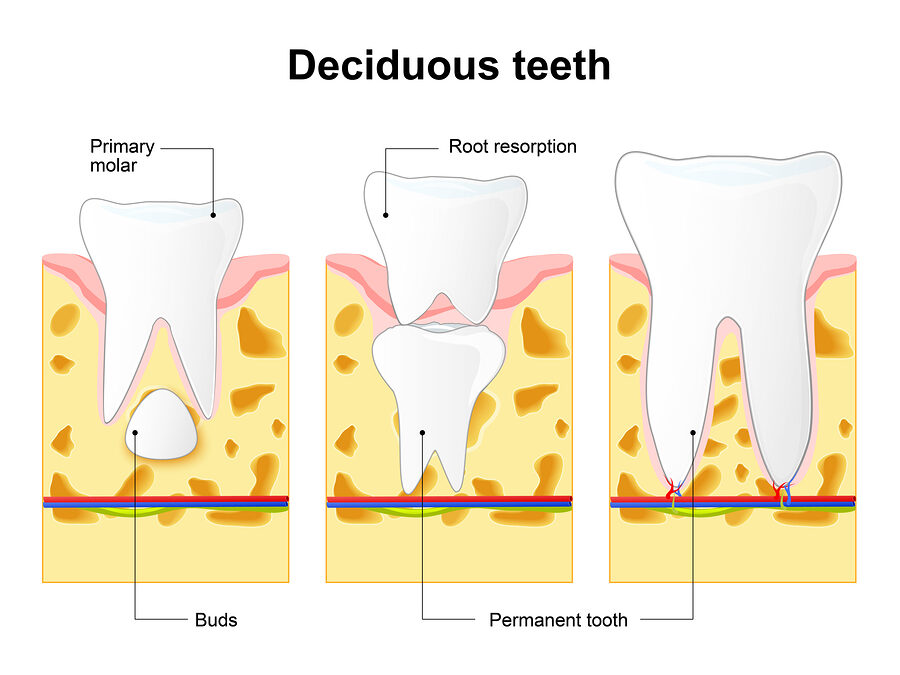
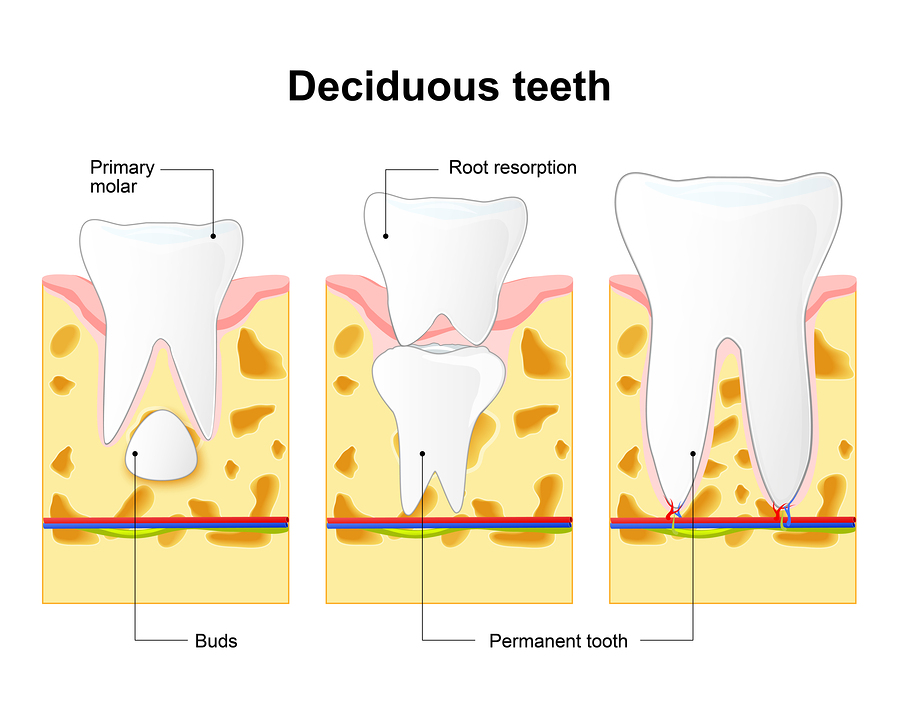 The human body is an amazing organism. It experiences a variety of physical phenomena throughout one’s lifespan in order to keep us on a proper developmental pathway. One phenomenon that is completely normal in childhood is root resorption in the primary teeth. Our “baby teeth” lose their roots, which is why they eventually fall out to make room for our adult teeth.
However, once we have all of our adult teeth, root resorption becomes an unexpected and abnormal process. In some cases of dental resorption a patient can experience pain, numbness, and discomfort, in addition to changes in the shape and size of the teeth; however, often the symptoms can be far more subtle.
Here’s a quick list of things to know about root resorption so that you and your Phoenix endodontist can ensure your natural teeth remain healthy and functional.
How to avoid root resorption problems
- Understand how root resorption can happen. Some causes of dental resorption include excessive orthodontic force being used on teeth, trauma to a tooth that damages the periodontal ligament, and conditions such as bruxism (grinding one’s teeth).
- Understand how root resorption is diagnosed. If root resorption is suspected, your Phoenix endodontist or another dental specialist can use radiographs, photos, x-rays, and diagnostic models to determine how far the resorption has progressed and how severely your natural tooth has been impacted.
- Understand how root resorption is treated. If the resorption activity is primarily occurring on the exterior of the tooth, single-tooth orthodontic or periodontal treatments may help. However, more advanced cases that involve the tooth pulp often require your Phoenix endodontist to perform a root canal to try to save the natural tooth.
“Root resorption allows our baby teeth to make way for our adult teeth, but after that, it is considered abnormal,” says Dr. Allen, who practices with the Phoenix Endodontic Group. “If you suspect you have this condition, make an appointment with your Phoenix endodontist as soon as possible.”
